St. Louis will retest single-car MetroLink trains, one per line at first
Metro Transit in St. Louis will test single-car MetroLink trains instead of two-car consists on Oct. 3, saying one-car operation could cut yearly maintenance costs by $800,000 to $4.8 million.
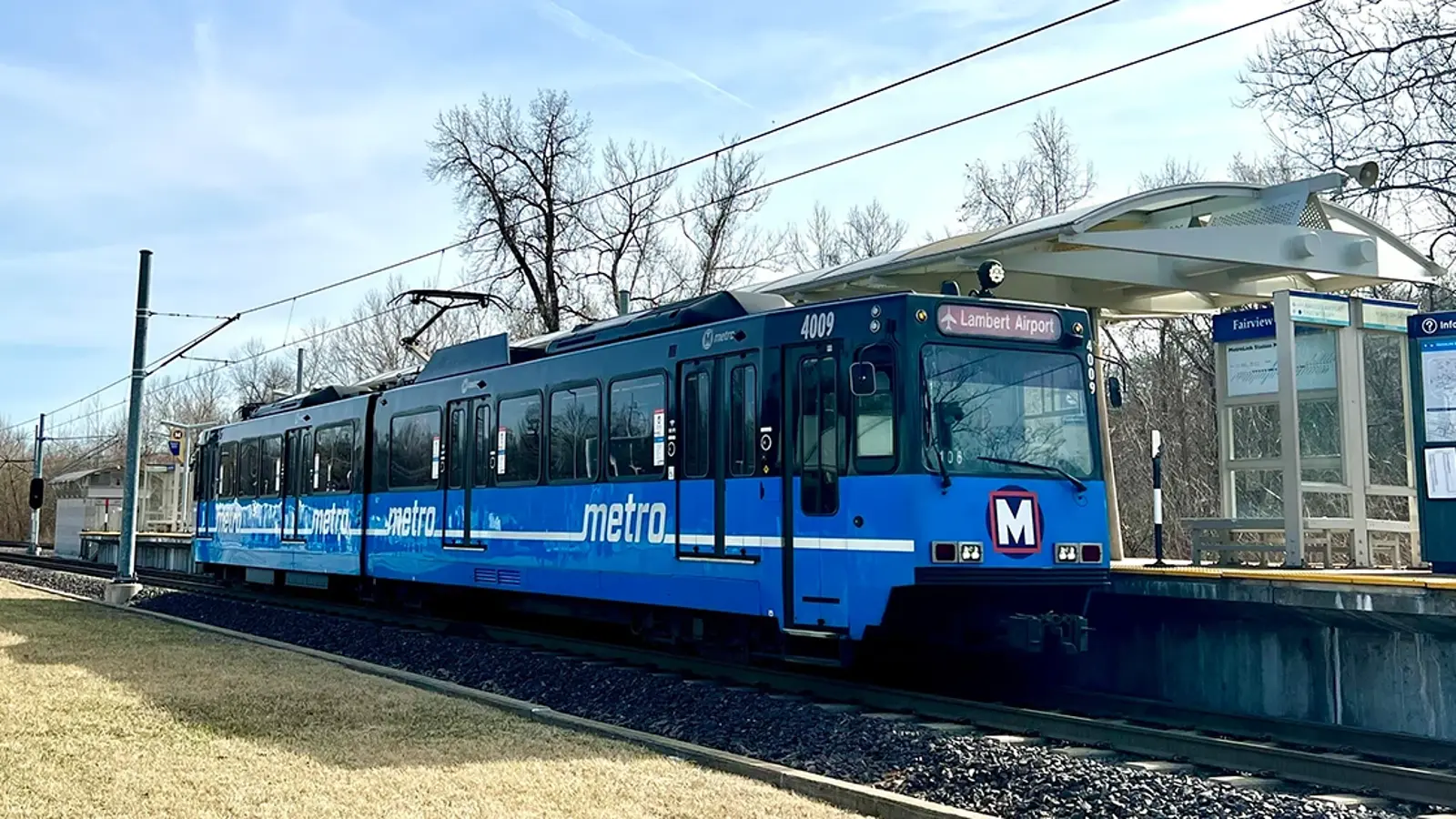
The pilot will be rolled out in stages and last until spring 2027, with single cars used only in selected situations where two-car trains normally run. It starts small: for the first two weeks, just one single-car train will run in normal service on each line, Red and Blue.
The agency wants to learn whether shorter trains, used selectively, can make MetroLink more efficient and cheaper to run without hurting reliability, safety or rider satisfaction. The savings range comes from Metro’s initial analysis and describes what one-car operation could deliver.
Metro is not cutting service levels. It says frequencies and timetables will stay as scheduled for the whole pilot, so what changes is the length of a train, not how often one arrives.
Metro will pull single cars from service during special events that are expected to draw peak ridership. It will do the same during planned track work on weekdays in daytime service, when trains heading in opposite directions have to use one track through the affected stations.
How Metro will judge the one-car trial
“We know many riders remember trial periods with single-car trains in the past and have concerns,” Ron Forrest, chief operating officer of Metro Transit, said. He added that the agency is moving deliberately so it can study the effect on operations, the rider experience and possible savings before choosing a long-term approach.
While the pilot runs, Metro will review operating performance, passenger feedback and ridership counts to judge whether one-car trains suit longer-term use, and under which conditions and on which parts of the network. Once the first single cars are in service, Metro will ask riders to comment on their trips through its pilot page, and those responses will inform any lasting decision.
Seats, standing room and the Red Line
The one-car plan was presented to the Operations Committee of the Bi-State Development Board of Commissioners on Aug. 27. Forrest’s presentation set the key policy choice as a capacity standard for each car: 72 riders, most of them seated, or 108 riders, which means 36 people standing in addition to the 72 seats.
The two standards have different consequences. Under the 72-rider standard, Metro would have to add service at weekday peaks and on event days. The 108-rider standard would need little extra service outside events, but it would leave no space for bikes and only limited room for wheelchairs or strollers. The presentation named the Red Line as the constraint.
Forrest compared three operating models. Running one car on both lines every day would save the most but carry the highest risk of crowding. A mixed model, with one-car Blue Line trains and two-car Red Line trains on weekdays and one-car trains at weekends, was presented as a balance between savings and capacity. A third option, more frequent Blue Line service, was flagged for its operational complexity. MetroLink currently runs 248 scheduled trips a day.
| Measure | July 2026 | Comparison |
|---|---|---|
| MetroLink ridership, whole system | 706K | −1.4% vs July 2025 |
| MetroLink ridership, Missouri | 562K | −1.9% vs July 2025 |
| MetroLink ridership, Illinois | 144K | +0.7% vs July 2025 |
| MetroLink on-time performance | 95.5% | Target 96% |
| MetroLink operators in post | 87 | 102 budgeted (14.71% below) |
| MetroLink electromechanics in post | 24 | 39 budgeted (38.46% below) |
MetroLink carried slightly fewer riders in July 2026 than a year earlier, and its rail operator and electromechanic posts were filled below budgeted levels. Staffing counts include trainees; Metro’s pilot announcement does not refer to these figures.
Source: Bi-State Development Operations Committee materials, Aug. 27, 2026 (July 2026 operations report, pp. 43–48).
What commissioners asked for
The committee received the proposal for information only. One commissioner said her understanding was that the chief executive could move ahead under his own authority. Members raised the possible effect on riders with disabilities, security and the need to explain the change to passengers, and asked for more information before management went ahead; Forrest was due to report back at the board’s Sept. 10 meeting.
How MetroLink’s 2023 single-car pilot ended
The previous test began on Oct. 2, 2023, when Metro replaced some two-car trains with single cars in everyday service on both lines, seven days a week, while keeping two-car trains for busier trips such as rush hours and special events. At the time, the agency pointed to easier security patrols, halving mechanical wear and a better fit with the ridership levels it was then carrying.
After that pilot ended, Metro switched to a new operating plan on Dec. 4, 2023: two-car trains on weekdays until 8 p.m., boarding limited to the front car after 8 p.m., and one-car trains throughout Saturday and Sunday, with a second car added for large downtown events. Metro said single cars would be used in quieter periods because of safety benefits seen during the pilot, including better surveillance and patrols.


