Southampton Yard Overhaul Strengthens Amtrak’s Boston Operations
15.11.2025
Amtrak moves forward with a major overhaul of Southampton Yard in Boston and treats the project as a strategic bet on the future of the Northeast Corridor. In a recent release, Amtrak and partners break ground on the Southampton Rail Yard modernization project in Boston, outlining how the new facility will speed up maintenance and support expanding service.
This is reported by the railway transport news portal Railway Supply.
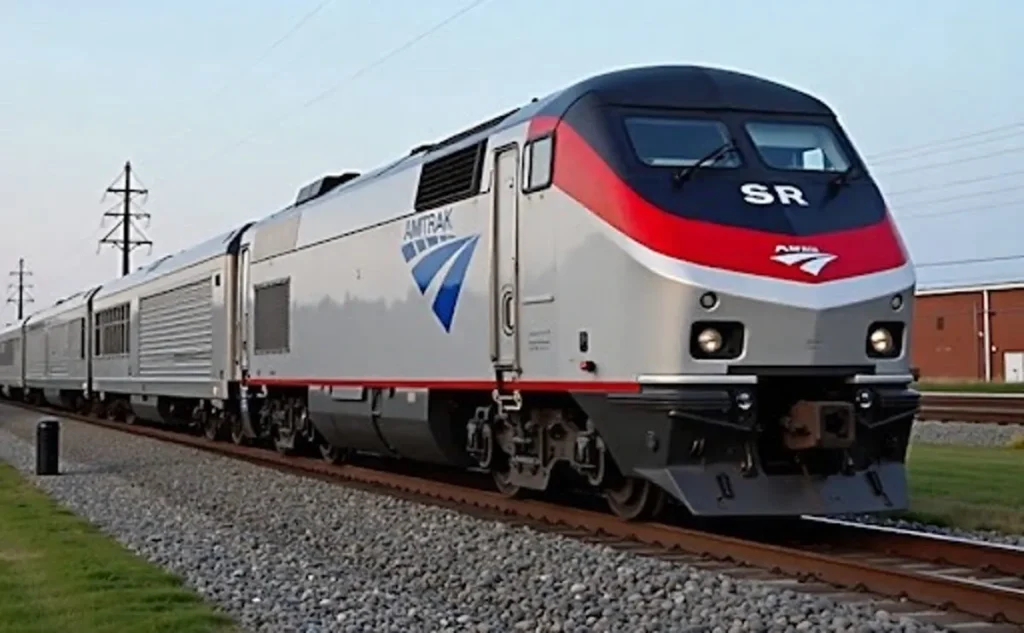
The company wants this upgrade to support new trains, tighter schedules, and steadily growing demand.
How Southampton Yard Shapes Amtrak’s Operations in Boston?
On paper, the yard looks like just another maintenance base, but for many riders it quietly decides whether trains leave on time. Crews refuel, inspect, and repair equipment there every day, so any bottleneck in the facility quickly echoes across the timetable.
Don’t miss…Amtrak Launches Major Rail Yard Upgrade in Boston, MA
Frankly, the current layout no longer matches the needs of a larger and more advanced fleet. Amtrak therefore pushes a full redesign that expands work space, adds modern tooling, and organizes movements in a way that lets staff handle more trains without stretching every shift to the limit.
The centerpiece of the plan takes shape as a 60,000-square-foot complex with a two-bay building. Teams use these bays for inspections, fueling, and heavy component work, and they gain a more direct flow between tracks and workstations, so they avoid time-consuming shunting.
In practice, that means fewer choke points when trains enter or leave the facility. Amtrak expects the new setup to cut the kind of small maintenance delays that, on the Northeast Corridor, rarely stay small for long and often disrupt several services in a row.
Why Southampton Yard Matters for the Northeast Corridor?
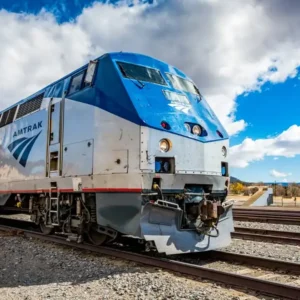
The project also focuses on the Service & Inspection facility, which must keep pace with Amtrak’s new Airo trains. These trainsets rely on updated onboard systems and more sophisticated diagnostics, so the yard needs infrastructure that really supports faster checks instead of slowing them down.
To be fair, the risk does not lie in the trains themselves but in the support system behind them. If the facility fails to adapt, even the most efficient equipment ends up waiting for a free track or a free team — and, as one planner might put it, “we can see the cliff coming.”
State officials see the yard as part of Massachusetts’ broader role in the corridor. Boston anchors a growing regional economy, and so the state pushes for infrastructure that keeps up with rising travel, not just today but over the next decade of ridership growth.
The revamped facility also matters for tourism and business travel. When visitors can rely on trains to arrive and depart on schedule, they plan more trips through Boston, which strengthens the city’s position as a transportation hub for New England.
Across the country, the company folds this project into a wider modernization drive that covers more than 20 facilities, a program Amtrak also describes in its Ivy City Rail Yard modernization announcement for Washington, D.C.. Amtrak wants enough maintenance capacity to support a bigger fleet, add frequencies, and introduce more energy-efficient trains without stretching its yards to breaking point.
Federal funding underpins much of this effort, and industry coverage such as Trains.com’s report on maintenance facility upgrades in Washington and Boston notes that grants from the Federal Railroad Administration help move these large yard projects forward. Aging facilities nearly cap the system’s growth, and without upgrades, maintenance backlogs can pile up so quickly that new trains do little to improve actual service.
On the Northeast Corridor, even a small disruption can snowball into missed connections and crowded platforms. So when Amtrak retools the Boston yard, it effectively strengthens the entire chain, from local services in Massachusetts to intercity trains that run deep into neighboring states.
Over time, the company expects the redesigned facility to shorten turnaround times, reduce backlogs, and give staff more reliable tools for daily work. The goal sounds simple — keep trains ready when the schedule needs them — but the operational impact is, still, quite significant.
In real terms, the overhaul signals that Amtrak treats maintenance capacity as a core part of its business model, not an afterthought. If the yard delivers what planners intend, it helps the operator match rising demand on the Northeast Corridor and prepares the network for the next wave of passenger rail growth.
News on railway transport, industry, and railway technologies from Railway Supply that you might have missed:
Find the latest news of the railway industry in Eastern Europe, the former Soviet Union and the rest of the world on our page on Facebook, Twitter, LinkedIn, read Railway Supply magazine online.Place your ads on webportal and in Railway Supply magazine. Detailed information is in Railway Supply media kit