Siemens Mobility introduces new fleets for S-Bahn Mitteldeutschland
09.11.2025
Siemens Mobility has unveiled next-generation Mireo and Mireo Plus B trains for S-Bahn Mitteldeutschland to enhance regional mobility, support sustainability goals, and deliver superior passenger experience by December 2026.
This is reported by the railway transport news portal Railway Supply.
Siemens Mobility expands innovation in regional transport
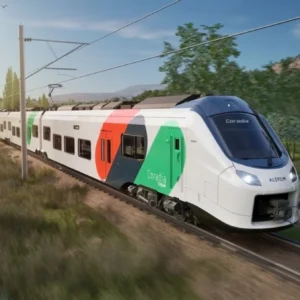
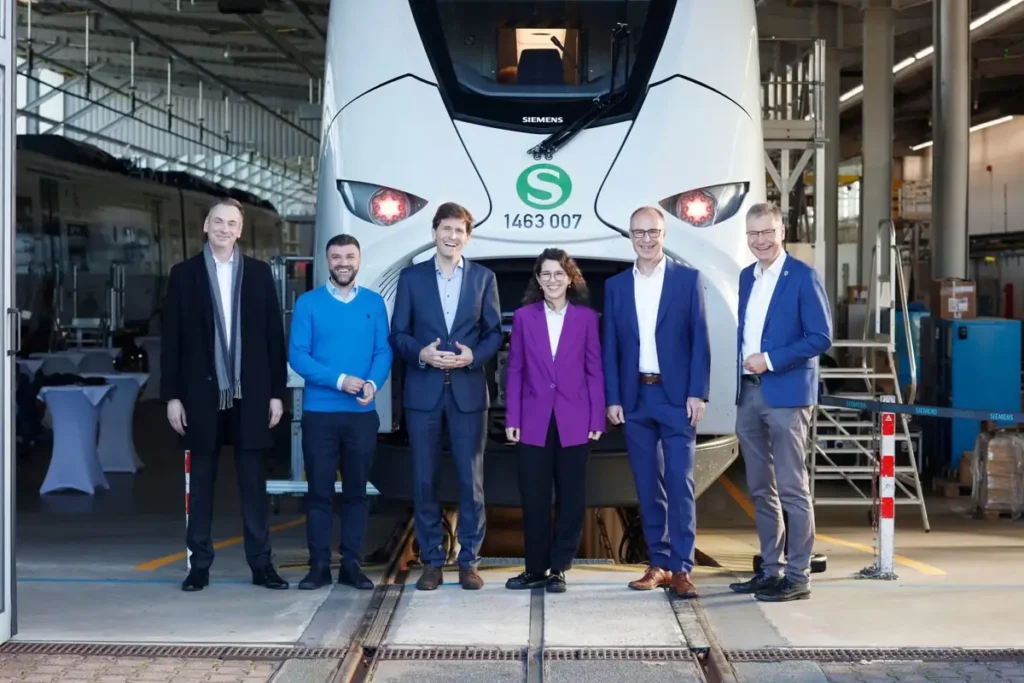
Siemens Mobility presented its latest Mireo and battery-powered Mireo Plus B fleets at the Wegberg-Wildenrath Test Center, underscoring its commitment to innovation in European rail transport. The €500 million contract, signed in December 2023, represents the largest order to date for the Mireo platform.
In total, 75 trains will strengthen service in the Leipzig and Halle metropolitan area. Die Länderbahn (DLB) will operate 41 three-car Mireo units, while DB Regio AG will deploy 18 four-car Mireo and 16 two-car battery-electric Mireo Plus B sets. The latter will serve non-electrified routes, bridging network gaps and cutting reliance on diesel traction.
Each train features lightweight aluminum construction, modular design, and regenerative braking to reduce energy use. The two-car units offer 100 seats, three-car 150, and four-car 200, supported by wide entryways and low-floor access for passengers with limited mobility.
Inside, Siemens Mobility prioritized passenger comfort: free Wi-Fi, USB and wireless charging at four-seat tables, large multi-purpose areas for bikes or prams, and a quiet first-class zone with leather seating. The trains include modern HVAC systems with CO₂ sensors that adapt to occupancy levels, ensuring consistent air quality and lower energy consumption.
Siemens Mobility drives sustainable growth in central Germany
The Mireo Plus B technology combines dual power capability and intelligent battery management. On electrified lines, the train charges while running under overhead wires; on non-electrified sections, it switches seamlessly to battery mode, achieving up to 120 km range without emissions.
Because of this hybrid flexibility, operators can expand service to rural communities without waiting for costly catenary upgrades. This model aligns with Germany’s federal decarbonization strategy and supports the EU’s Fit for 55 targets.
Siemens engineers integrated high-frequency windows that enhance mobile reception, while real-time information systems display dynamic schedules and connections. Passengers enjoy smoother rides because of advanced bogie suspension and noise-optimized traction motors.
According to Christa Singer, Chairwoman of DB Regio Südost, “The S-Bahn Mitteldeutschland connects urban and rural regions, and only with comfortable, reliable, and eco-friendly trains can we make public transport truly attractive.”
The project’s supply chain extends across Germany. Siemens manufactures the Mireo car bodies in Krefeld, assembles components in Görlitz and Nürnberg, and tests completed sets at Wegberg-Wildenrath. This structure safeguards domestic employment and strengthens the national rail industry.
Regional transport authorities from Saxony, Saxony-Anhalt, and Thuringia jointly commissioned the fleet under ZVNL’s coordination, reflecting shared responsibility for an integrated public transport future. When the MDSB2025plus network launches in 2026, passengers will benefit from higher capacity, shorter dwell times, and a cleaner transport ecosystem connecting Leipzig, Halle, and neighboring cities.
News on railway transport, industry, and railway technologies from Railway Supply that you might have missed:
What innovations does Siemens Mobility bring to S-Bahn Mitteldeutschland?
Siemens Mobility introduces battery-powered Mireo Plus B trains, regenerative braking, and digital comfort systems such as wireless charging and real-time travel updates.
When will Siemens Mobility’s new trains enter service?
The Mireo and Mireo Plus B fleets will start operating in December 2026 on routes across the Leipzig and Halle region.
How do Siemens Mobility’s Mireo trains reduce carbon emissions?
They achieve up to 25 percent greater energy efficiency through lightweight construction and battery hybrid systems that cut diesel use on non-electrified lines.
Place your ads on webportal and in Railway Supply magazine. Detailed information is in Railway Supply media kit