Rail Reliability Plan sets $2.1B Sydney Trains funding
17.06.2026
The Rail Reliability Plan sets out a $2.1 billion funding package for Sydney Trains, forming a central plank of the 2026–27 State Budget, due to be presented on 23 June.
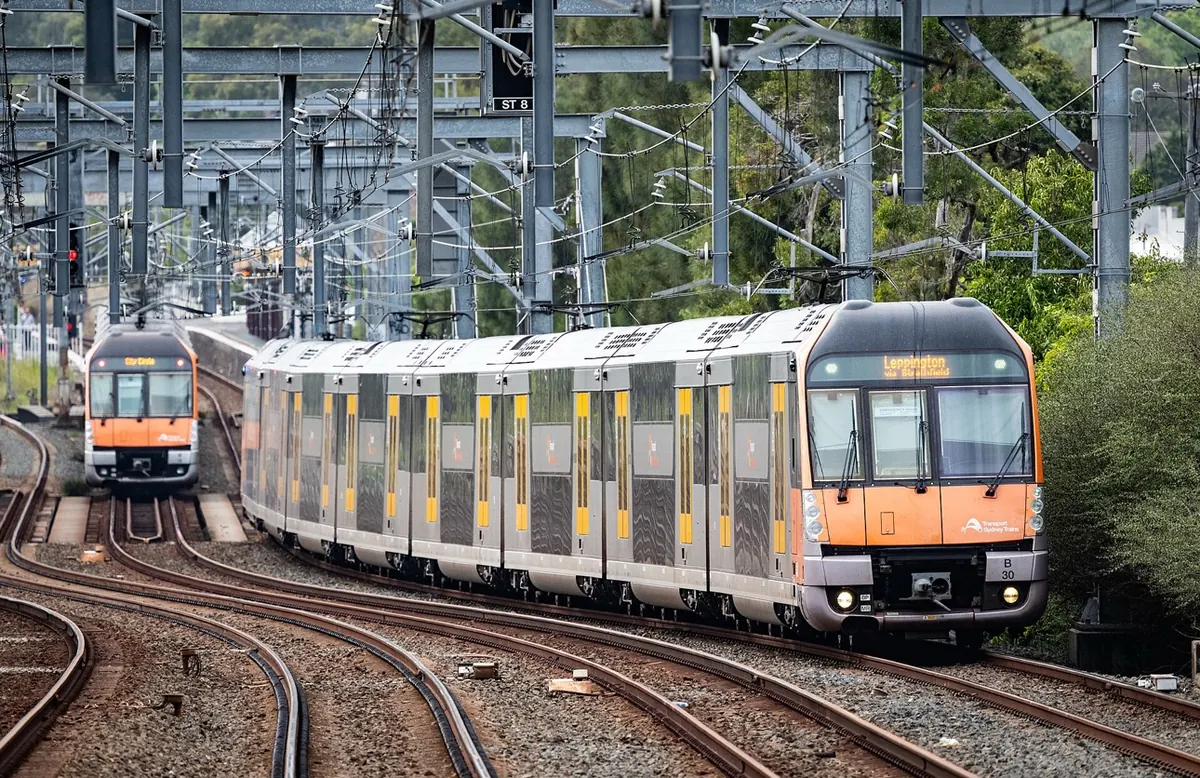
The package is intended to address long-standing performance issues, improve maintenance, strengthen incident response and support a better passenger experience across the Sydney Trains network.
The plan applies to a system of 14 lines, 288 stations and more than 1790 kilometres of track. It carries just over one million passengers on an average weekday, making reliability a central operational issue for the network.
Rail Reliability Plan focuses on critical maintenance
The program includes an extra $200 million for network maintenance compared with the previous year. The money will support more focused work on track, power supply and signalling infrastructure, particularly in locations considered operationally critical or higher risk.
The maintenance measures follow the Independent Rail Review into the May 2025 overhead wire failure at Homebush. That incident caused widespread disruption over two days, and the review pointed to the need for a more strategic approach in critical zones where a single fault can affect several lines.
The government has also committed to a four-year asset renewal program worth $425 million. The work covers track, signalling, overhead wiring and drainage, with attention also given to flood-prone sections of the network. In addition, a $35 million reliability program is bringing forward repairs at priority locations where failures would have wider effects across the system.
Rail Operations Centre upgrades and passenger support
Another $150 million over four years will go toward Rail Operations Centre upgrades. The funding is aimed at improving real-time decision-making, strengthening network coordination and allowing faster responses when services are disrupted.
The investment also addresses earlier setbacks in customer communication. A customer information management system had been cancelled before the Rail Operations Centre opened in 2018, and the 2025 review identified passenger information during incidents as an area requiring improvement.
A new Passenger Care and Support team will also be created. It will be used during major disruptions and deployed according to the scale of an incident. The team will work across trains, stations and key interchanges, providing face-to-face information, helping vulnerable passengers, offering basic support such as water during delays and assisting customers with alternative travel options.
Staffing, fleet renewal and Sydney Trains reliability
The Rail Reliability Plan also includes workforce measures. The government has committed to increasing the number of train drivers and guards on intercity services, with the aim of improving timetable resilience and reducing delays on routes connecting Sydney with the Illawarra, Central Coast, Newcastle and the Blue Mountains.
Officials said the reliability of the network depends on more than infrastructure spending. They also pointed to the need for sufficient staffing, stronger planning and better coordination across operations. The funding is expected to support workforce planning and more consistent service delivery.
Rolling stock renewal is also part of the wider reliability strategy. The government has introduced Mariyung intercity trains, the first new trains to enter service on the network in almost 20 years.
The trains are now operating on major regional routes, including the Central Coast and Newcastle Line, the Blue Mountains Line and the South Coast Line. Their introduction has allowed some older rolling stock to be withdrawn, while other trains are being refurbished for continued use on suburban services.
This approach is intended to support reliability improvements while keeping enough rolling stock available during the fleet transition.
Integrated approach to Sydney Trains performance
The government has presented the Rail Reliability Plan as a system-wide response to problems affecting Sydney’s heavy rail network. While major projects such as Sydney Metro continue, the plan places renewed attention on maintaining and improving the existing rail system.
Transport officials said the funding is designed to connect infrastructure maintenance, workforce planning and real-time service management within a more integrated operational model. The intended results include lower operational risk, faster recovery from disruptions and more consistent services for passengers.
Passengers are expected to see improvements gradually as the program is delivered. The government expects the package to support more reliable services, better incident management and clearer communication when disruption occurs.
The $2.1 billion package represents one of the largest single-year investments made in the Sydney Trains network. It reflects a shift toward long-term reliability as a central priority for the state’s transport system.
Transport Minister John Graham said:
“The 12 recommendations of the Independent Rail Review remain the blueprint for how we prioritise maintenance but also deploy new technology and raise standards around customer care during disruption or communicate to passengers on stations,”
Chief Executive of Sydney Trains Matt Longland said the investment supports reliability across the full operation, from critical infrastructure upgrades to incident response, crewing and passenger assistance.
“Enhancements at the Rail Operations Centre will deliver better decision-making across the network and improve incident response capability,”
“Importantly, the Passenger Care & Support team will ensure we are looking after our customers during disruptions, providing clear information and practical support when it matters most.”