Rail Freight Traffic in Italy Falls 8.1% in H1 2026
ITALY: Rail freight traffic fell 8.1% in the first half of 2026, as network restrictions linked to infrastructure works cut more than 2 million train-km from the market.
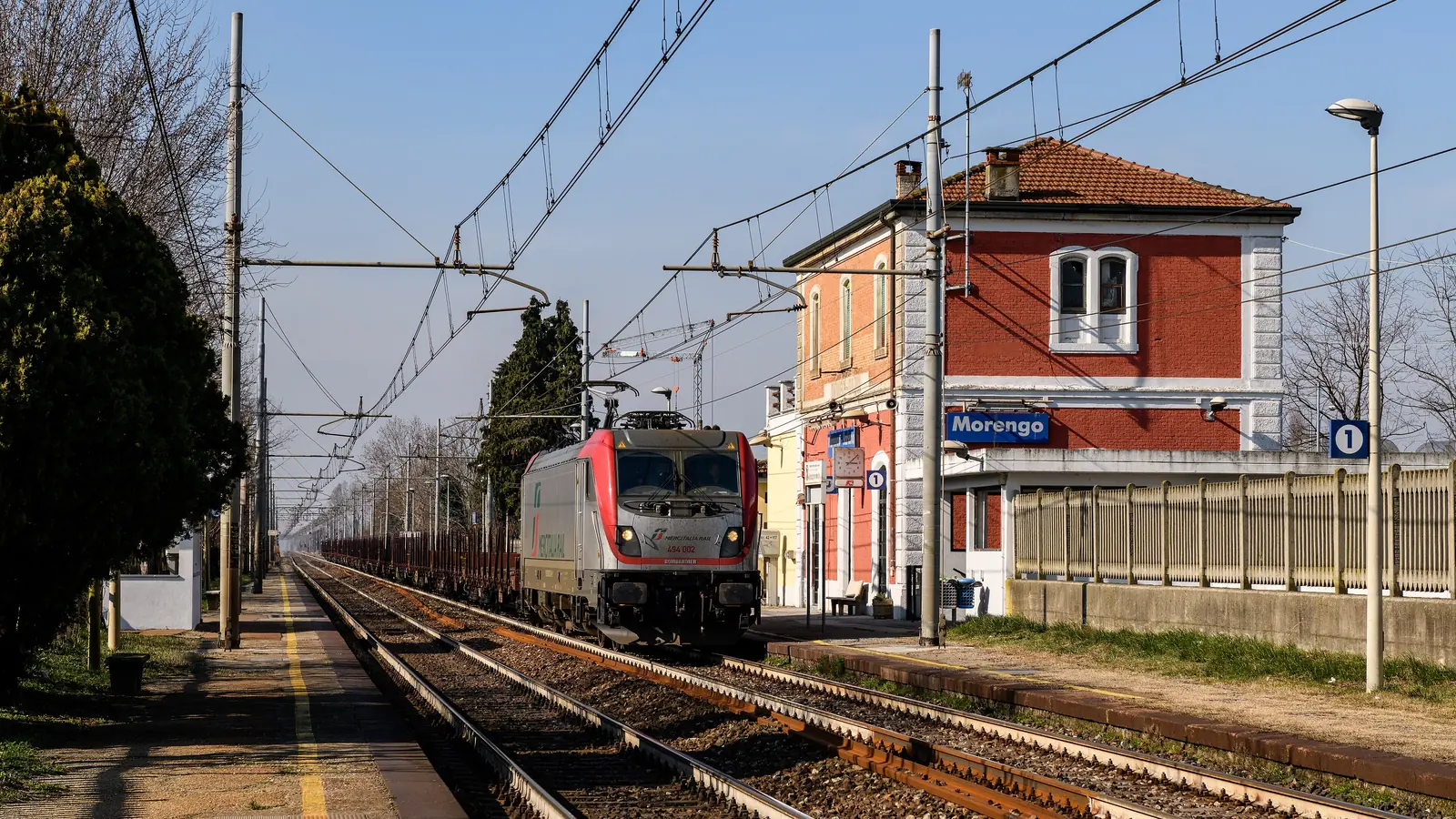
The latest monitoring published by Fermerci puts traffic at 23.7 million train-km for January–June, down from 25.8 million in the same period of 2025. One train-km represents one train travelling one kilometre, allowing operators to measure the volume of rail activity.
Italy could return to 2015 traffic levels
The half-year result extends a downturn that began before 2026. Fermerci’s 2026 annual report recorded a fall from 53.8 million train-km in 2021 to 49.4 million in 2025. Traffic declined 3.5% last year, marking the third consecutive annual contraction.
If the first-half pace continues, Fermerci estimates that 2026 traffic could finish near 45 million train-km. That would be more than 4 million below 2025 and nearly 9 million below the 2021 level, bringing the market back to volumes last recorded in 2015. The 45 million figure remains a projection rather than a confirmed full-year result.
Don’t miss…RCG Starts Weekly Budapest–Belgrade Intermodal Service
PNRR works squeeze available freight capacity
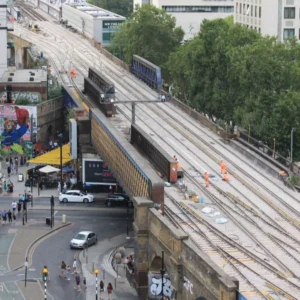
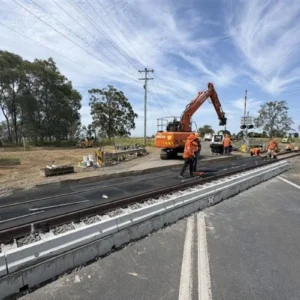
Fermerci identifies closures and traffic restrictions associated with infrastructure projects funded through Italy’s National Recovery and Resilience Plan, or PNRR, as the main cause of the latest decline. The works are intended to improve network capacity and performance, but simultaneous construction activity is reducing the train paths available to freight operators.
Services are being diverted, cancelled or sent over longer routes, while operators face additional costs. Fermerci President Clemente Carta said the impact had proved “far more severe than estimated” and was falling entirely on railway companies.
A separate joint statement from six trade unions, issued after a meeting with FS Logistix Managing Director Sabrina De Filippis, reported a 12% fall in the company’s first-half traffic. The statement did not identify the measurement unit, so the figure cannot be compared directly with Fermerci’s train-km data.
Operators seek compensation and a recovery plan
Fermerci is asking the Italian Government for immediate support and a funded multi-year recovery plan. In a May 2026 letter to the Government, the association proposed compensation for infrastructure interruptions, a stronger Ferrobonus, renewed “Loco e Carri” funding, restored fuel-tax relief for shunting locomotives and a permanent rail-freight working group.
FS Logistix has also expressed willingness to discuss European funding and compensation measures with EU institutions.
News on railway transport, industry, and railway technologies from Railway Supply that you might have missed: