Rachel Reeves rail fare freeze to ease UK commuters’ costs
23.11.2025
Rachel Reeves rail fare freeze is due to be confirmed in this week’s Budget, with the Chancellor presenting the move as a major step to ease pressure on people hit by the cost of living crisis and to win back voters. The announcement also feeds into long-running debates about the affordability of UK rail fares, a theme highlighted by industry outlet Railway Supply.
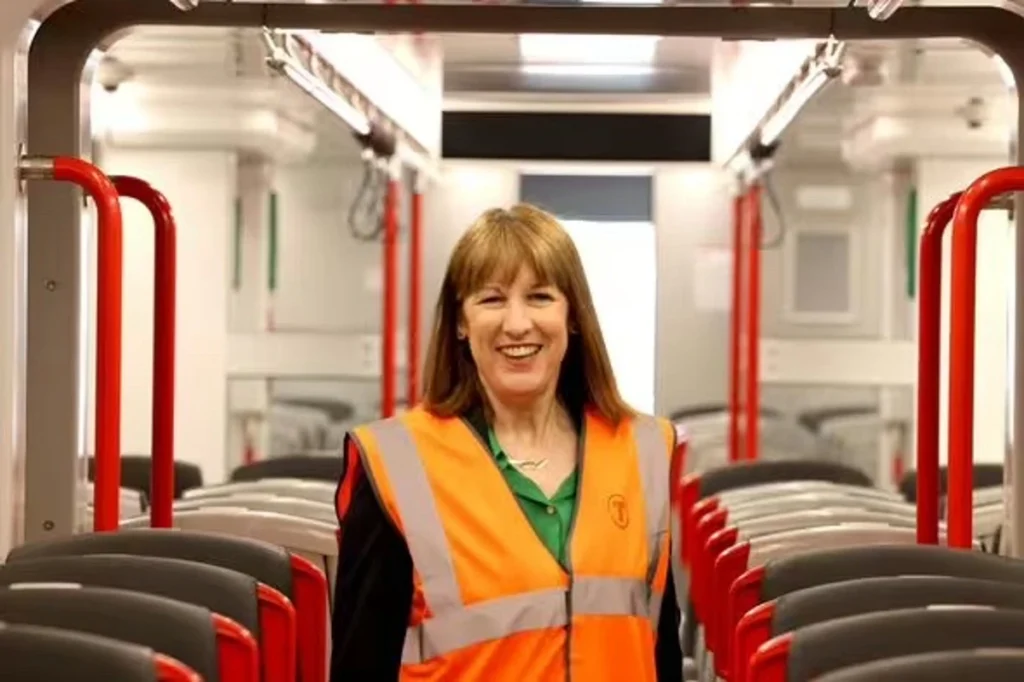
The decision is billed as the first rail fare freeze in around 30 years and, in an official HM Treasury statement, is described as a “historic intervention”. The measure is intended to save commuters money, support economic growth and help tackle inflation.
How the Rachel Reeves rail fare freeze helps commuters?
Under the plan, passengers will not face any increase on season tickets, peak-time commuter returns or off-peak return tickets between major cities. Those travelling on the most expensive routes are expected to save more than £300. The Treasury also notes that transport currently accounts for about 12% of average household spending, so keeping UK rail fares frozen in the Budget is designed to offer visible relief in day-to-day budgets.
Don’t miss…TriMet staff cuts aimed at closing budget gap
Alongside the freeze itself, the Government says it wants to bring rail ticketing into the 21st century. It plans to expand tap-in, tap-out options for more passengers and invest in “super fast” onboard Wifi, so everyday journeys are easier to make and more convenient for people who rely on the network.
Setting out the wider context for the policy, Ms Reeves said the Budget would focus on “fair choices” to meet public priorities “to cut NHS waiting lists, cut national debt and cut the cost of living”. She added: “That’s why we’re choosing to freeze rail fares for the first time in 30 years, which will ease the pressure on household finances and make travelling to work, school or to visit friends and family that bit easier.”
Treasury figures suggest that a commuter using flexi-season tickets three days a week could save £315 a year on journeys between Milton Keynes and London. On Woking to London services, the saving is put at £173, while someone travelling between Bradford and Leeds could be £57 a year better off. Together, these examples show how commuter savings from frozen rail fares will differ across key inter-urban routes.
Great British Railways and wider rail reforms
The rail fares policy is also being tied to structural reform of the network. A new publicly owned body, Great British Railways (GBR), is to be created through the Railways Bill to run and manage both tracks and trains. Ministers argue that bringing responsibilities together in this way will end “years of fragmentation”, raise standards for passengers and make journeys easier to plan as well as better value for money.
Supporters of the Rachel Reeves rail fare freeze underline that one of the Government’s six stated objectives for the reformed railway system is affordability. As work to establish Great British Railways continues, the combination of a UK rail fare freeze and a single guiding public body is being presented as a sign that passenger costs are moving higher up the agenda.
Passenger watchdogs back the rail fare freeze
Ben Plowden, chief executive of the Campaign for Better Transport, welcomed the announcement, stressing that cost remains the “number one concern” for people considering rail travel. He said it was “very welcome that fares will be frozen next year as we have been calling for”. In his view, holding fares down will not only support households with the cost of living but also encourage more people to choose rail, cutting traffic on the roads, boosting the economy, helping the environment and strengthening connections between communities.
He also pointed out that one of the Government’s six objectives for the reformed railways is that they should be affordable. As plans for Great British Railways gather pace, he described the freeze as a positive indication that affordability for passengers is being given the high priority it deserves.
Alex Robertson, chief executive of independent watchdog Transport Focus, said the announcement would be “extremely welcome news” for rail users, who “consistently tell us value for money is their highest priority, alongside trains running on time”. He argued that holding fares steady should make it more attractive for people to travel by train more frequently or to try rail for the first time.
Robertson also acknowledged the long-standing tension over how the railways are funded, with a difficult balance to be struck between fare income and public subsidy. Against that backdrop, he said, the decision to freeze fares is particularly significant.
For ministers, the Rachel Reeves rail fare freeze is framed as a question of everyday savings. Transport Secretary Heidi Alexander put it in straightforward terms, saying: “We all want to see cheaper rail travel, so we’re freezing fares to help millions of passengers save money.” She noted that commuters using the most expensive routes stand to save more than £300 a year, allowing them to keep more of their “hard-earned cash”.
News on railway transport, industry, and railway technologies from Railway Supply that you might have missed:
Find the latest news of the railway industry in Eastern Europe, the former Soviet Union and the rest of the world on our page on Facebook, Twitter, LinkedIn, read Railway Supply magazine online.Place your ads on webportal and in Railway Supply magazine. Detailed information is in Railway Supply media kit