Overnight Rail Travel Boosts US City Connections
24.03.2025
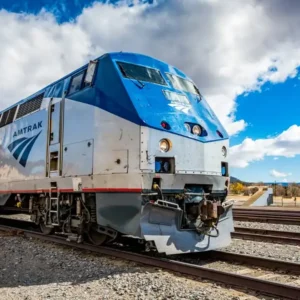
Lunatrain launches overnight rail travel, connecting major US cities affordably. Founder Mike Avena enhances Amtrak’s network with this innovative service. This is reported by the railway transport news portal Railway Supply.

Overnight Rail Travel Hits the East Coast and Midwest
Lunatrain targets key East Coast and Midwest cities for its overnight train offerings. Avena told Technical.ly that this provides a cost-effective alternative to flights and drives.
Don’t miss…Calgary Hydrogen Hub Boosts Economy and Sustainability
The Conshocken-based company intends to launch its service soon, utilizing existing rail tracks. Avena emphasized that Lunatrain complements Amtrak, focusing solely on major urban hubs.
“We enhance Amtrak’s offerings with a unique overnight service,” Avena explained to reporters recently. Unlike Amtrak, Lunatrain prioritizes affordability and operates exclusively during nighttime hours for convenience.
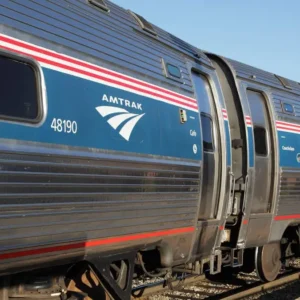
Currently, Amtrak connects rural and urban areas nationwide with its passenger rail services. However, Lunatrain differentiates itself by targeting overnight routes between bustling cities like Philadelphia and Chicago.
Overnight Rail Travel Inspired by Europe
Avena envisions linking Philadelphia, New York City, Charlotte, Atlanta, and Chicago with Lunatrain’s network. The trains will feature sleeping quarters, Wi-Fi, dining options, lounges, and showers for passengers.
Before launching Lunatrain, Avena gained experience in IT within the biotech industry. His European travels exposed him to successful night train models that inspired this venture.
Europe’s recent surge in night train startups influenced Avena’s vision for the US market. Yet, he noted challenges like securing train cars and operating licenses persist there.
Last summer, Avena shifted focus to Lunatrain, crafting a robust commercial and financial strategy. After announcing the company in February, he now gauges American interest in overnight trips.
Presently, Avena seeks equity funding to develop and test a prototype railcar for Lunatrain. He plans to have passengers aboard within eighteen months of securing $5 million.
Building partnerships with rail track owners remains a critical step for Lunatrain’s progress. Most US railroads belong to freight companies that prioritize safety and capacity concerns.
Freight railroads negotiate trackage rights agreements with passenger lines like Amtrak and SEPTA. These contracts outline operational rules and financial terms, a Federal Railroad Administration spokesperson explained.
Lunatrain must secure similar contracts and regulatory approvals from federal transportation authorities. Avena confirmed early discussions with railroad companies to understand their operational requirements.
“We analyze traffic patterns extensively to ensure compatibility with freight operations,” Avena told Technical.ly recently. He aims to avoid disrupting host railroads while integrating Lunatrain’s services.
The complexity of this process requires detailed computer modeling and traffic analysis, Avena added. Still, he remains optimistic about bringing this convenient travel option to American cities soon.
Source, photo: technical.ly
News on railway transport, industry, and railway technologies from Railway Supply that you might have missed:
Find the latest news of the railway industry in Eastern Europe, the former Soviet Union and the rest of the world on our page on Facebook, Twitter, LinkedIn, read Railway Supply magazine online.Place your ads on webportal and in Railway Supply magazine. Detailed information is in Railway Supply media kit