New York Subway: History, Secrets, and the Future of the World’s Largest Transit System
17.10.2024
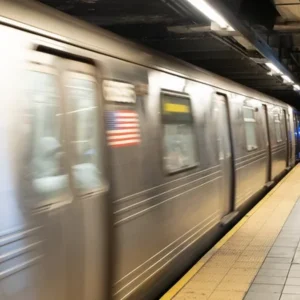
The New York subway is not only one of the largest public transportation systems in the world but also a vital part of the infrastructure of the city that never sleeps. This was reported by the railway transport news portal Railway Supply.
Since its opening in 1904, the subway has become an integral part of the lives of both residents and tourists, providing convenient and fast travel across all boroughs. Today, the New York subway serves more than 5 million passengers daily, and its significance cannot be overstated.
The History of the New York Subway
The history of the New York subway began with the opening of the first underground line in October 1904. It was a significant leap forward in the city’s rapidly growing transportation system. The first line ran from City Hall in Manhattan to Harlem, and its success spurred the rapid development of the network. In the early 20th century, construction of new lines began, linking Manhattan to other boroughs such as Brooklyn and the Bronx.

However, few people know that even earlier, in 1870, there was an attempt to create underground transportation. Engineer Alfred Beach built an experimental pneumatic road known as the Beach Pneumatic Transit. The line was short—only 95 meters—and used air pressure to move cars. This project did not gain popularity, but it laid the foundation for future transportation solutions in the city.
A unique feature of the New York subway is its 24-hour operation, which was a novelty at the time. This round-the-clock service remains unchanged today, providing city dwellers with the ability to travel at any time of day or night. For New York, often called “the city that never sleeps,” this has become an essential part of life.
Architecture and Station Design
Many New York subway stations are known for their unique architecture and historical significance. One of the most famous is Grand Central Station, which serves as both a major transportation hub and an architectural masterpiece. Its majestic halls and historical elements attract thousands of tourists every year. However, it’s not the only station worth attention.

The New York subway system is famous for its art installations. Many stations feature historic mosaics, stained glass, and modern art. For example, Times Square station is adorned with bright installations that have become symbols of New York culture. Mosaics, created over more than a century, decorate many stations, turning them into genuine art galleries. For instance, at Cortlandt Street station, you can see mosaic panels restored after the events of September 11, 2001.
Subway Secrets
The New York subway system is full of secrets that aren’t always immediately visible. For example, beneath the famous Waldorf Astoria hotel in Manhattan, there is a hidden subway station. It was built specifically for the convenience of the hotel’s wealthy guests, including President Franklin D. Roosevelt. This secret transport hub allowed high-ranking officials to travel discreetly, preserving their privacy.
Problems and Modernization of the Subway
Despite its vastness and importance, the New York subway faces serious challenges related to infrastructure deterioration. Many stations and lines were built over a century ago, creating the need for regular modernization. Due to the high intensity of system usage, problems with train delays and technical malfunctions have become common.

In recent years, New York City authorities have launched several programs aimed at updating the subway, improving infrastructure, and enhancing passenger comfort. One such program involved introducing new trains with modern technologies and automated control systems. There is also ongoing work to improve station accessibility for people with disabilities.
New York Subway Lines
One of the longest subway lines in New York is the A line, which runs from Upper Manhattan to Far Rockaway in Queens. Its length exceeds 51 kilometers and crosses several boroughs. This gives a sense of the scale of the transportation system, which connects remote parts of the metropolis, providing people with access to various areas.
Safety in the Subway
Safety in the subway has always been a pressing issue for New York. In the 1970s and 1980s, the subway system struggled with vandalism and crime, raising concerns for passengers. However, since then, city authorities have taken numerous measures to improve safety, including installing surveillance cameras, enhancing station lighting, and increasing police patrols.

Today, the New York subway is much safer than it was several decades ago. Nonetheless, authorities continue to work on improving the safety system, particularly in response to modern challenges such as terrorist threats and other dangers.
The Subway’s Importance to City Life
The New York subway plays a crucial role in the life of every city resident. With an extensive network covering all five boroughs—Manhattan, Brooklyn, Queens, the Bronx, and Staten Island—passengers can easily and quickly move around the city. This allows millions of people to get to work, school, or other important places daily, avoiding traffic jams and road congestion.

Tourists also heavily rely on the subway to explore the city. Thanks to relatively low travel costs and the ability to easily reach all major New York landmarks, the subway system is an integral part of the city’s tourism infrastructure. Museums, parks, shops, and famous skyscrapers—all are accessible via the underground lines.
The Future of the New York Subway
As the population grows and the strain on the system continues to increase, New York City authorities face the challenge of not only maintaining the subway but also developing it to meet new demands. One of the key future initiatives is the development of high-speed lines and the introduction of new technologies to improve passenger service.

There are high hopes for enhancing the subway’s environmental sustainability. In light of global climate concerns, city authorities plan to introduce more eco-friendly trains and technologies that will reduce air pollution and lower energy consumption. This is an important step towards the sustainable development of the city and its transportation system.
Thus, the New York subway is not just a transportation system. It is a symbol of the city, its cultural and historical heritage, which continues to evolve and change along with the city itself.
Photo: Wikipedia
News on railway transport, industry, and railway technologies from Railway Supply that you might have missed:
Find the latest news of the railway industry in Eastern Europe, the former Soviet Union and the rest of the world on our page on Facebook, Twitter, LinkedIn, read Railway Supply magazine online.Place your ads on webportal and in Railway Supply magazine. Detailed information is in Railway Supply media kit