Japan’s urgent rail safety overhaul after Tokyu Den-en-toshi Line train collision
12.11.2025
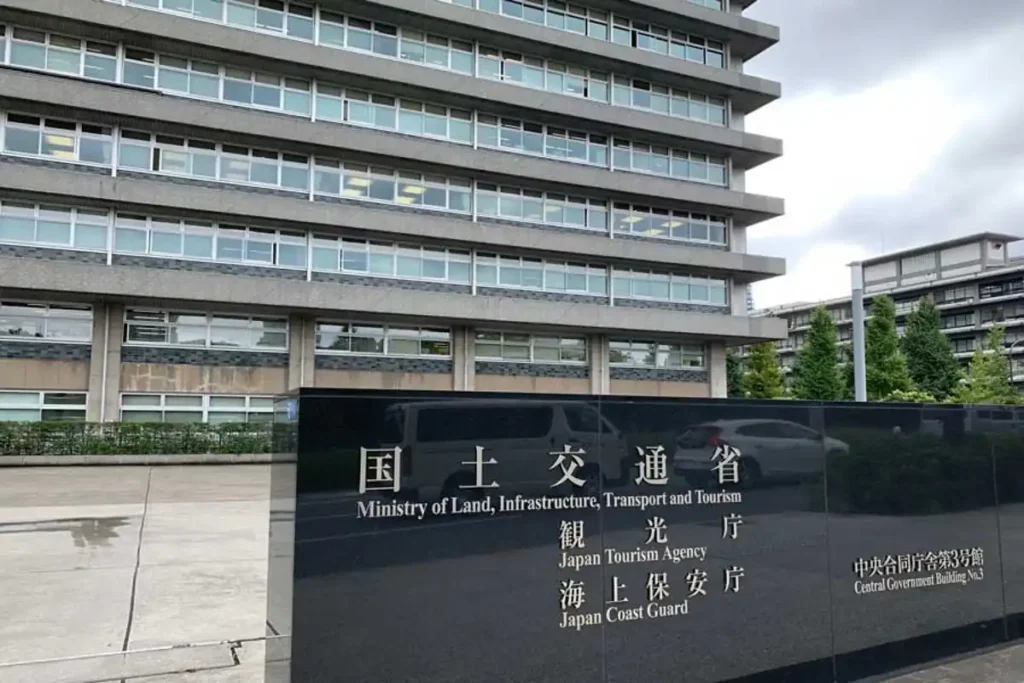
Japan’s MLIT launched signal inspections after the Tokyu Den-en-toshi Line train collision, finding parameter issues at 15 stations run by 10 companies. It told JR East and JR West to speed checks while safeguards protected operations.
This is reported by the railway transport news portal Railway Supply.
What MLIT checked after the Tokyu Den-en-toshi Line train collision?
The ministry surveyed 186 operators and 4,760 stations—a figure that shows the scale. Inspectors prioritized lines using the same interlocking controllers and data-entry routines, because similar parameter logic could produce comparable hazards.
Don’t miss…SBB invests €2.1 billion in 116 Siemens double-decker trains
Findings surfaced at 15 stations run by 10 companies, including JR East’s Shibata, Minakami, and Kumagaya; JR West’s Takatsuki, Ashiya, Tsuchiyama, and Tennoji; plus Keikyu Kawasaki, Katsura, Motomachi, and several smaller stops.
Officials described inconsistencies in configuration values and data-input checks that, under certain conditions, could distort train-detection or route-locking logic. Engineers flagged procedural drift—small shortcuts that accumulate over time—and gaps in secondary verification.
Safety steps since the Tokyu Den-en-toshi Line train collision
Teams corrected parameters, introduced double-confirmation before uploads, and expanded audit trails. Because time mattered, they also tightened control-center monitoring and kept drivers on a short communications loop during sensitive operating windows.
JR East and JR West continue full inspections, and the ministry wants faster completion. Still, services remain safe, officials say, because interim safeguards stand between configuration errors and real-world train movements.
Frankly, the lesson feels familiar: automation needs disciplined human checks. Or, as one planner put it, “we can see the cliff coming,” so teams now test uploads offline and require signoffs from separate departments.
In practice, the Tokyu Den-en-toshi Line train collision now nudges operators toward automated configuration management, routine “red team” parameter reviews, and better training for input clerks; nearly all incidents trace back to small, very human slips.
Expect MLIT to translate the interim report into updated guidance for digital interlocking and evidence logs. Because the sector benchmarks reliability, these checks will likely become permanent, audited routines rather than one-off reactions.
News on railway transport, industry, and railway technologies from Railway Supply that you might have missed:
Find the latest news of the railway industry in Eastern Europe, the former Soviet Union and the rest of the world on our page on Facebook, Twitter, LinkedIn, read Railway Supply magazine online.Place your ads on webportal and in Railway Supply magazine. Detailed information is in Railway Supply media kit