Indian Railways ticket price hike: New fares from Dec 26
21.12.2025
Indian Railways ticket price hike takes effect on December 26, 2025, with the change focused on longer-distance trips. The operator expects the new fare structure to deliver an estimated Rs 600 crore revenue gain, as reported by The Economic Times.
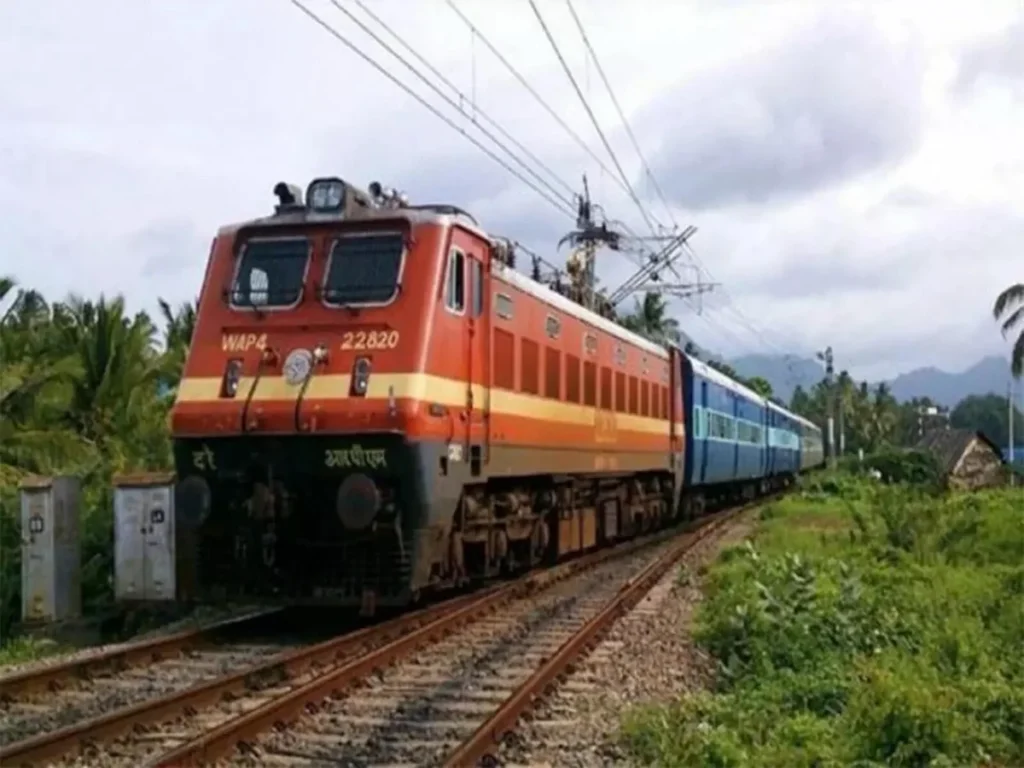
How the Indian Railways ticket price hike works?
The revised pricing applies only once a journey goes beyond 215 km. For routes of up to 215 km, there is no change in ticket prices.
This is reported by the railway transport news portal Railway Supply.
After that point, passengers in Ordinary Class will pay an extra 1 paisa per km. In Mail/Express services, the increase is 2 paise per km across both Non-AC and AC classes. Indian Railways also offered an illustration: a 500 km Non-AC journey would cost an additional Rs 10 under the updated fares.
Don’t miss…MBTA Commuter Rail operating contract moves to final bidders
No change for suburban trains and monthly season tickets
Suburban train services and monthly season tickets are being kept unchanged, with Indian Railways saying the move is intended to protect affordability for low- and middle-income families; this point is also reflected in earlier background coverage by Railway Supply. The exemptions are intended to ensure that regular commuters are not affected by the hike.
The Railway Ministry also referenced an earlier adjustment in July 2025, saying the previous fare hike has generated Rs 700 crore in revenue till date.
Here is the fare summary shared by the operator:
• Suburban Train and Monthly Season Ticket: No change
• Ordinary Class up to 215 km: No change
• Ordinary Class more than 215 km: 1 paisa per km
• Mail/Express Non-AC class: 2 paise per km
• Mail/Express AC class: 2 paise per km
• Non-AC 500 km journey: Rs 10 extra
Christmas and New Year 2025–26 special trains and wider updates
For the Christmas and New Year travel period of 2025–26, Indian Railways has planned special trains with the addition of 244 trips across eight zones, as reported by The Indian Express. The ministry said more trips will be notified in the coming days as passenger traffic rises.
Special services are being deployed on busy corridors connecting Delhi, Howrah, Lucknow, and nearby cities to support long-distance travellers. On the Mumbai–Goa (Konkan) corridor, daily and weekly specials are scheduled between Mumbai CSMT/LTT and Secretary/Madgaon, offering additional seating and sleeper options. Specials on routes such as Mumbai–Nagpur, Pune–Sanganer, and other Maharashtra services are also in place to ease crowding on regular trains.
In a release dated December 20, the ministry also listed broader developments. It said construction on the flagship high-speed bullet train project in Maharashtra has gained momentum, with 100% land acquisition completed. It added that between 2014–2025, Indian Railways procured about 2 lakh wagons and added more than 10,000 locomotives to boost freight loading and mobility.
Under the government’s Gati Shakti Multi-Modal Cargo Terminal (GCT) policy, 118 new GCTs have been commissioned so far, with an estimated traffic capacity of 192 million tonnes per annum (MTPA), according to Union Minister for Railways Ashwini Vaishnaw in replies in the Lok Sabha. The ministry also said electrification has progressed to about 99.1% of the Broad Gauge (BG) network electrified.
News on railway transport, industry, and railway technologies from Railway Supply that you might have missed:
Find the latest news of the railway industry in Eastern Europe, the former Soviet Union and the rest of the world on our page on Facebook, Twitter, LinkedIn, read Railway Supply magazine online.Place your ads on webportal and in Railway Supply magazine. Detailed information is in Railway Supply media kit