Indian Railways electrification slashes diesel use
01.06.2026
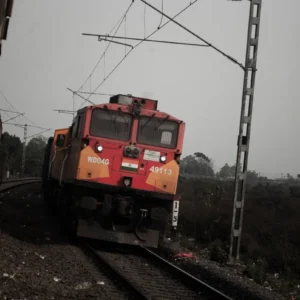
Indian Railways electrification has cut the railway system’s reliance on diesel as broad-gauge network electrification moves close to completion. Officials said annual diesel use has fallen by 185 crore litres, which is roughly equal to four days of India’s total diesel demand.

The change reflects the scale of India’s move toward electric traction. Electrification of the broad-gauge network has now reached 99.6%, while diesel consumption has dropped to about 37% of the level seen in 2016-17.
Indian Railways electrification changes fuel demand
Railway officials said Indian Railways consumed 293 crore litres of diesel in 2015-16. That was the first year after electrification began advancing in mission mode. By 2024-25, consumption had fallen to 108 crore litres, and officials said the figure has moved lower since then.
The shift to electric traction has also helped railway operations avoid some global fuel-related pressure, according to one official. Indian Railways has placed greater emphasis on drawing power for operations from renewable power sources. Because of this, the government’s foreign exchange resources face less pressure from fuel imports.
Broad-gauge network electrification expands rapidly
Official data show how quickly the electrification programme has expanded. By 2014, Indian Railways had electrified 21,801 route km. Over the past 12 years, another 48,072 km have been brought under electric traction.
People familiar with the logistics sector said faster electrification helped protect passenger and freight movement after the West Asia conflict began. They said train operations could have faced greater disruption if the railway network had remained more dependent on diesel.
Electric traction lowers passenger and freight costs
A railway official said electric traction is much cheaper for line-haul operations. For passenger transport, the cost is nearly one-sixth of diesel traction. For freight movement, it is close to one-third.
Officials said the current focus on renewable power sources will further strengthen railways’ position as a cleaner mode of transport.