India Directs Significant Investments into Railway Network: Plans and Prospects
18.06.2024
India is poised to make a significant leap forward in the development of its transportation infrastructure, this is reported by the railway transport news portal Railway Supply.

Prime Minister Narendra Modi’s administration has confirmed plans to invest 10-12 trillion rupees ($120-144 billion) into the country’s railway network over the next five years.
Vienna Airport Railway Project Undergoes Environmental Assessment
This extensive program is part of the action plan for the Prime Minister’s third term and aims to substantially improve the quality and accessibility of rail transport across the country.
Key Projects
The main directions of the investment program include several major projects:
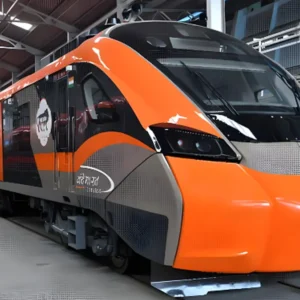
- Introduction of Vande Bharat Trains on All Rail Lines
Vande Bharat trains, known for their speed and comfort, will form the backbone of India’s rail modernization. The plans also include the launch of Amrit Bharat and Vande Metro trains to enhance transportation accessibility and improve passenger services.
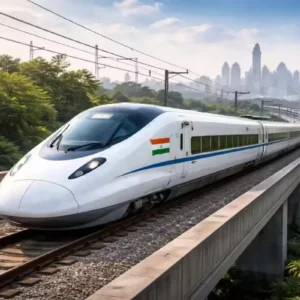
- Construction of the Mumbai-Ahmedabad High-Speed Rail Line
Scheduled for completion by 2029, this project will be the country’s first high-speed rail line. It will significantly reduce travel time between two of India’s largest cities, positively impacting the economy and tourism.
- Metro Expansion
The program includes further expansion of metro lines in various cities. This will help address urban mobility issues and reduce the burden on road infrastructure.
- Development of the Regional Rapid Transit System (RRTS)
The development of RRTS will improve connectivity between cities and regions, making travel faster and more comfortable for passengers.
Current Achievements and Future Plans
Indian Railways is actively working on these projects. In 2024, the construction and launch of 50 Amrit Bharat trains are planned, along with trials for the Vande Metro train.
India is collaborating with leading global manufacturers such as Siemens, Alstom, and CRRC to ensure high quality and reliability of the rolling stock.
Challenges and Prospects
Despite significant progress, some projects face challenges. For example, negotiations with Japanese companies Hitachi and Kawasaki for the supply of high-speed trains for the Mumbai-Ahmedabad line have yet to yield significant results.
As an alternative, accelerated development of the Vande Bharat train project is being considered, which can provide the necessary speed of up to 250 km/h.
In the near future, two prototype models of these electric trains will be built at the ICF factory in Chennai.
Investments in India’s railway network open new prospects for the development of the country’s transport infrastructure.
The implementation of the planned projects will not only improve the quality of passenger transportation but also make a significant contribution to India’s economic development.
Prime Minister Narendra Modi’s plans demonstrate the government’s determination to achieve these ambitious goals, which will lead to the creation of a more modern and efficient transport system in the country in the long term.
Photo: kinet.co.in
Rail business, industry, and railway technology news from Railway Supply that you might have missed:
Uzbekistan Acquires Six High-Speed Trains from Hyundai
Find the latest news of the railway industry in Eastern Europe, the former Soviet Union and the rest of the world on our page on Facebook, Twitter, LinkedIn, read Railway Supply magazine online.Place your ads on webportal and in Railway Supply magazine. Detailed information is in Railway Supply media kit