Hybrid Locomotive Stadler Class 93 Enters Service in the UK
14.10.2025
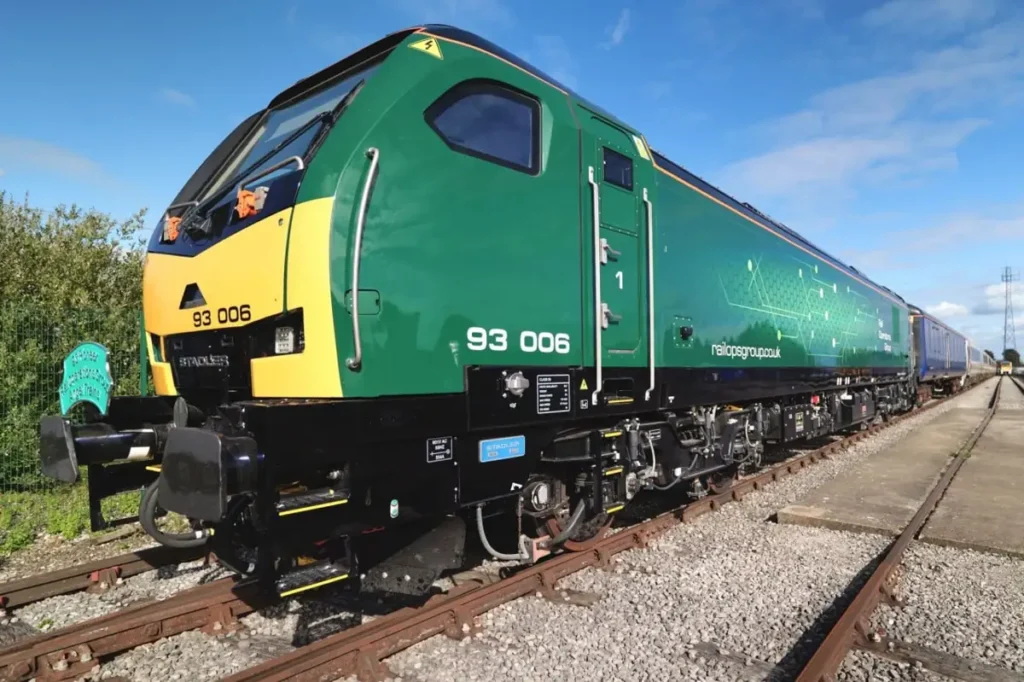
The hybrid locomotive Stadler Class 93 started full service on Britain’s West Coast line, showing the effectivity and the environmentally friendly potential of the new generation of traction in the rail sector.
This is reported by the railway transport news portal Railway Supply.
Hybrid Locomotive Stadler Class 93 Combines Power and Sustainability
The newly developed four-axle locomotive, based on the EuroDual platform, has four traction modes. It successfully hauled trains weighing its maximum of 1,800 tons during the trial runs and witnessed its high reliability.
Don’t miss…NRC Strengthens Security Amid Rising Infrastructure Vandalism
CITYLINK’s parent company, operator ROUK, took ten Class 93 trains from Stadler at an option for twenty. This order indicates the UK’s initiative to move faster in transitioning the transport sector to become more energy-efficient and to decrease its carbon print.
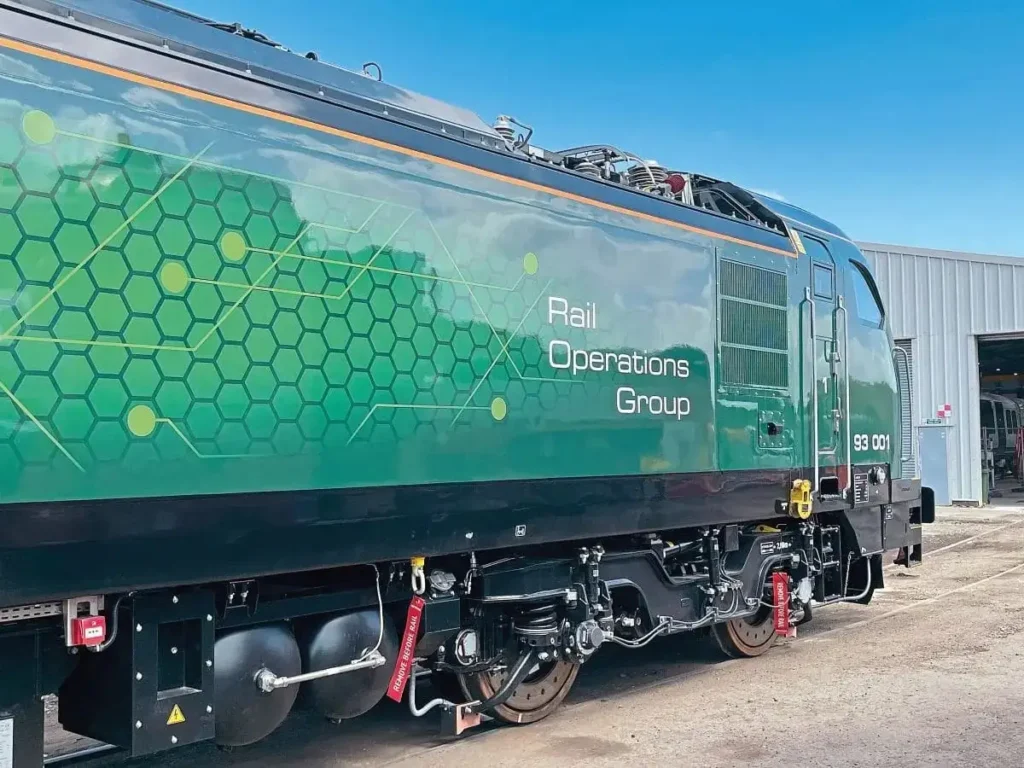
The locomotive provides 4 MW of power with a 25 kV AC catenary power supply. In the lack of overhead supply, it resorts to the power of a 900 kW Caterpillar Stage V diesel engine and ABB lithium-titanate batteries that give an extra 400 kW of traction power.
Hybrid Locomotive Paves the Way for Sustainable Rail Transport
The system is powered by the engineer with battery power alone — perfect for “last mile” applications and shunting in non-electrified regions. The batteries take just 10–20 minutes to recharge and enjoy service life of up to eight years, delivering cost-efficient performance.
The hybrid locomotive has the capacity to operate at speeds of 175 km/h at maximum capacity and is thus capable of both freight and passenger service. This versatility leads to cost savings because the traction system is capable of accommodating several infrastructure patterns.
Specialists assert the Stadler Class 93 will become the standard for future European developments. The locomotive exemplifies how innovation and sustainability can blend together in the one solution, providing tangible value to both operators and customers.
News on railway transport, industry, and railway technologies from Railway Supply that you might have missed:
What is a hybrid locomotive and how does it differ from a conventional one?
A hybrid locomotive uses multiple energy sources — electric, diesel, and battery — enabling operation on both electrified and non-electrified routes.
Can a hybrid locomotive be used for passenger transport?
Yes. Its power and top speed make it suitable for both freight and passenger services, especially on mixed-use railway corridors.
How do hybrid technologies benefit the railway environment?
They significantly reduce CO₂ emissions and fuel consumption because the locomotive operates on electricity or batteries whenever possible, minimizing environmental impact.
Place your ads on webportal and in Railway Supply magazine. Detailed information is in Railway Supply media kit