High-speed train procurement accelerates in Uzbekistan
18.11.2025
Uzbekistan is pushing ahead with high-speed train procurement as it upgrades key routes and modernizes its rail network, so officials hope to make travel more reliable across some of the country’s most challenging regions.
This is reported by the railway transport news portal Railway Supply.

High-speed train procurement as part of strategic development
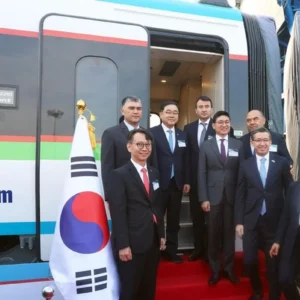
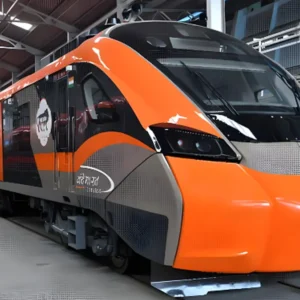
Uzbekistan continues to modernize its railway system and expand its fleet, because the government has approved the purchase of eight Hyundai Rotem high-speed trains, as reported by UzDaily. These units will run on the Tashkent–Termez and Tashkent–Andijan routes, both crossing demanding mountainous terrain. As officials put it, presidential backing for the national procurement program removes the main political uncertainty.
Don’t miss…CBTC 5G: new opportunities for digital train control systems
The country faces persistent operational challenges on the Kamchik and Darband passes, since these corridors link important regions and require more capable rolling stock. According to Minister of Transport Ilhom Makhkamov, the new high-speed trains should improve reliability on routes with steep gradients and sharp elevation changes. So, for planners in Tashkent, fleet renewal looks less like an option and more like a necessary step in long-term transport policy.
Uzbekistan is not stopping at the initial batch of eight trains and expects to receive six more Hyundai Rotem sets in 2026 for the Tashkent–Urgench–Khiva corridor, a plan also highlighted by UzDaily. These additional units will serve a route that is steadily growing and drawing more passenger demand, including tourism. In practice, the gradual modernization of rolling stock is becoming the foundation for better service quality on the country’s main interregional links.
High-speed train procurement and infrastructure expansion
The country is also advancing a high-speed rail project between Tashkent and Samarkand, because the South Korean consortium K-Rail One Team is preparing its feasibility study — a process described in more detail by Railway Supply. The line is designed for speeds of up to 300 km/h and receives funding support from Korea Eximbank. Developers aim to complete the feasibility study by the end of 2025, and, to be fair, the project could mark a real technological step-change for the national rail network.
At the same time, Uzbekistan is implementing a large-scale fleet renewal program through 2030, and it includes the production of passenger coaches, a substantial volume of freight wagons, and major overhauls of electric locomotives. The plan also covers the purchase of electric trains and locomotives manufactured in China, in line with the roadmap outlined by the presidential press service and summarized by UzA. As one planner put it, “we can see the cliff coming,” and this package of measures is meant to prevent a sudden capacity crunch later in the decade.
Zufar Narzullaev, head of Uzbekistan Railways, has stated that domestic plants will increase annual production of passenger coaches from 40 to 50 units. This move should gradually reduce dependence on imports and, frankly, strengthen the resilience of local manufacturing. In real terms, Uzbekistan is expanding infrastructure, updating its modern rolling stock, and improving transport connectivity across regions — step by step, but in a clearly defined direction.
News on railway transport, industry, and railway technologies from Railway Supply that you might have missed:
Find the latest news of the railway industry in Eastern Europe, the former Soviet Union and the rest of the world on our page on Facebook, Twitter, LinkedIn, read Railway Supply magazine online.Place your ads on webportal and in Railway Supply magazine. Detailed information is in Railway Supply media kit