Greater Copenhagen Light Rail Opens All 29 Stations
28.08.2026
The Greater Copenhagen Light Rail is now fully operational, with all 29 stations open along the 28-kilometre route between Ishøj and Lundtofte. The line follows the Ring 3 corridor through the Copenhagen metropolitan area and connects eight municipalities.
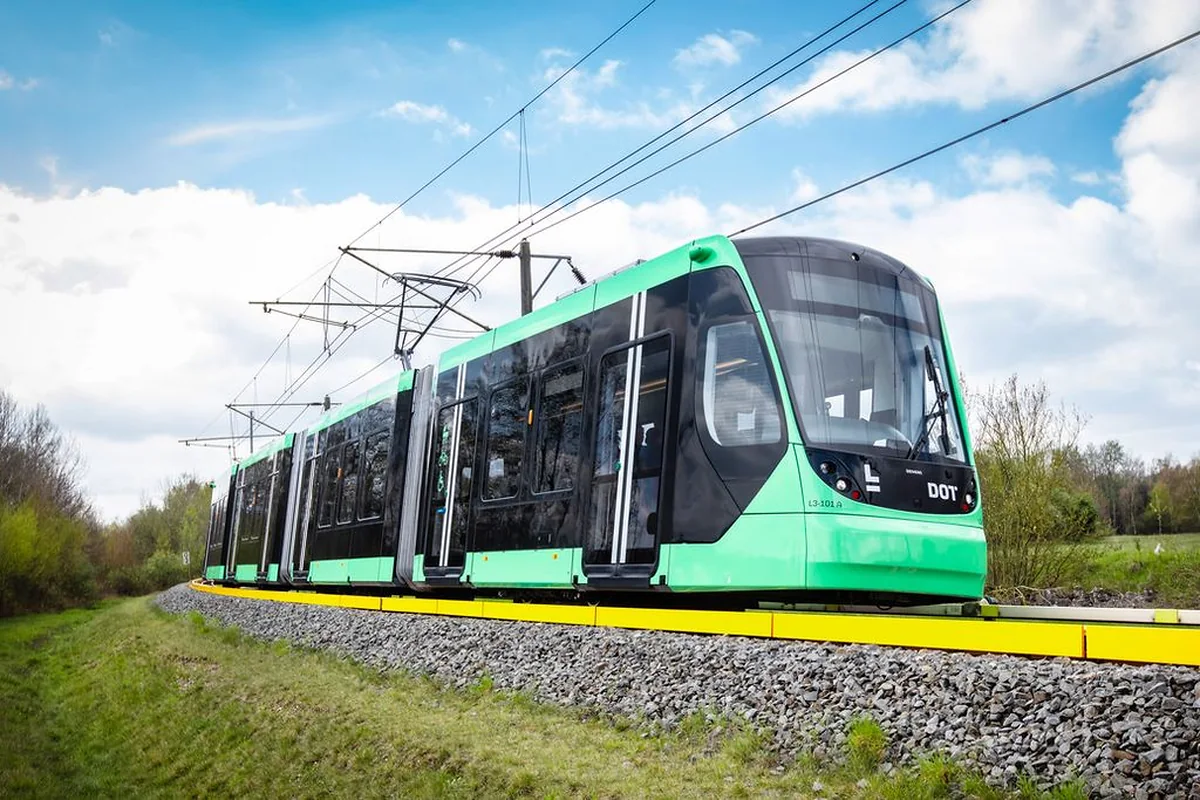
The completed route creates a new cross-regional public transport link between towns, workplaces, hospitals, educational institutions and major public transport interchanges. It also connects with six S-train interchanges.
Siemens Mobility delivers 29 Avenio vehicles
Siemens Mobility delivered the project in consortium with infrastructure contractor Aarsleff Rail. Its turnkey scope included 29 Avenio light rail vehicles, as well as electrification, signalling and communications systems, depot workshop equipment, project management and system integration, along with 15 years of maintenance support.
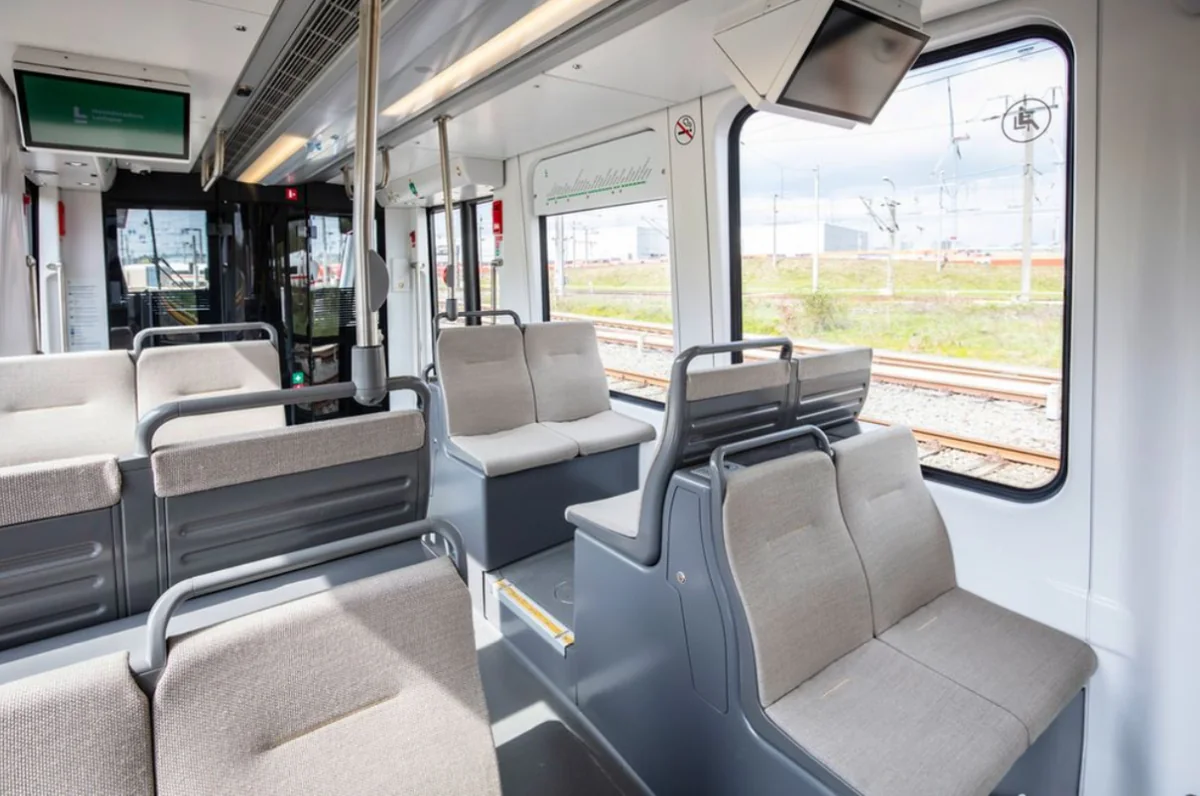
Each 36.9-metre Avenio can carry up to 260 passengers, including 64 seated, with flexible standing space and dedicated areas for bicycles, prams and wheelchairs. The vehicles offer step-free boarding, are designed for energy-efficient operation and can reach speeds of up to 70 km/h.
Leon Soulier, CEO of the Turnkey Business Unit at Siemens Mobility, described the completed scheme as an example of the company’s turnkey expertise.
“With the full opening of the Greater Copenhagen Light Rail, we are proud to see Siemens Mobility’s turnkey expertise driving this revolutionary public transport project in Denmark. From delivering 29 innovative Avenio light rail vehicles to electrification, signalling, communications, system integration, depot equipment, and long-term maintenance, this light rail system offers a strategic improvement to daily mobility while making a clear commitment to sustainable transportation.”
Greater Copenhagen Light Rail completes full route
The first section opened in October 2025 with 12 stations in service. With the remaining 17 stations now completed, the full route is in operation across all eight municipalities.
The scheme was delivered through cooperation between Siemens Mobility, Aarsleff Rail and Greater Copenhagen Light Rail, the public body overseeing the project.
During a transition period of three to six months, services will run every five to eight minutes at peak times. In the evenings and on Sundays, services will operate every ten minutes.
Don’t miss…Eurostar HS1 Appeal Targets a Rule, Not Virgin
What will change for passengers
The full line gives passengers six direct interchange points with Copenhagen’s S-train network at Ishøj, Vallensbæk, Glostrup, Herlev, Buddinge and Lyngby. The official service lists Rejsekort and Rejsebillet as ticket options for the light rail, with Rejsebillet also covering buses, trains and Metro. Passengers can also bring bicycles on board free of charge, using the designated flex areas and subject to the published space rules.
Operators expect the line to carry around 12,000 passengers a day. Annual ridership is forecast to reach 14 million by 2030 as the route encourages a shift away from private car use in one of Denmark’s busiest and most congested areas.
News on railway transport, industry, and railway technologies from Railway Supply that you might have missed:



