Etihad Rail passenger trains signal a UAE travel leap
Etihad Rail passenger trains are moving closer to commercial launch in 2026, bringing the UAE another major step in national mobility. The first stage will connect Abu Dhabi, Dubai, and Fujairah, giving residents, commuters, business passengers, and tourists a fast, reliable, and more sustainable option beyond road travel.
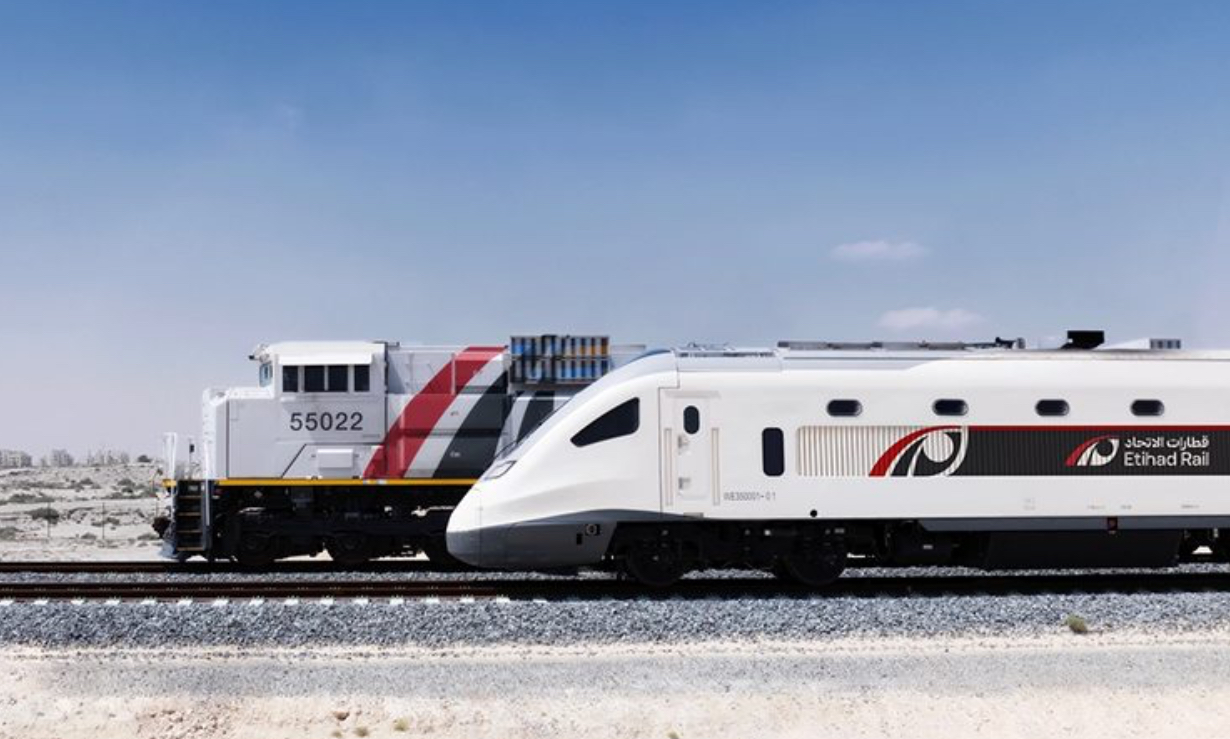
The trains are designed to reach speeds of up to 200 km/h, with the Abu Dhabi to Dubai journey expected to take only 57 minutes. That travel time places the project within the country’s broader push for stronger inter-emirate connectivity, economic diversification, and modern transport infrastructure built for long-term national growth.
Etihad Rail passenger trains bring a new travel model
The upcoming Etihad Rail passenger service is drawing attention not only because of shorter journeys, but also because of its wider role in domestic travel. The project is intended to create a practical mobility option across the UAE, while connecting major cities with important tourism and economic destinations. Etihad Rail has also outlined the wider passenger network through its official announcement on the UAE’s full passenger railway network, which supports the project’s role in national connectivity.
As the phased rollout moves closer, future passengers are paying more attention to stations, onboard amenities, travel classes, journey times, and expansion plans. The completed Etihad Rail station in Fujairah already offers a clear indication of how rail travel may look in the country. Its facilities include modern passenger areas, family-oriented spaces, advanced service features, and integrated transport connections.
The UAE rail network is meant to support a wider shift in domestic travel. It will give passengers an alternative to road transport, especially on routes where traffic can affect journey reliability. For many travellers, the network’s value will come from more than speed: predictability, comfort, and direct links between key destinations will matter as well.
UAE rail network starts with Abu Dhabi, Dubai and Fujairah
The first phase of passenger operations is built around three main routes. Abu Dhabi to Dubai is expected to take 57 minutes, while Dubai to Fujairah is estimated at 69 minutes. Abu Dhabi to Fujairah is planned at 105 minutes, creating a direct rail option across several major parts of the country.
The first operational passenger stations are planned in Abu Dhabi, Dubai, and Fujairah. In Abu Dhabi, the station will be located in Mohamed Bin Zayed City. In Dubai, the network will serve Jumeirah Golf Estates, while Fujairah Station will act as the first completed station and a visible example of the passenger experience planned for the wider network.
This initial network gives the Abu Dhabi to Dubai train route a particularly important place in the rollout. A 57-minute connection between two major urban and economic centres could change how commuters, visitors, and business passengers plan inter-emirate journeys. The topic has also been covered previously by Railway Supply in its report on the Etihad Rail passenger rail network set for 2026 launch, which focused on the phased rollout and station geography.
Comfort and connectivity define the passenger experience
Passenger comfort remains one of the main design priorities for the trains. The onboard environment is being prepared for daily commuters, business professionals, families, and international visitors. Spacious seats, generous legroom, and practical onboard features are intended to make both short and longer trips easier to manage.
Etihad Rail passenger trains will include Wi-Fi connectivity, power outlets, luggage storage, foldable tray tables, and dedicated family seating. These features are meant to support continuous internet access, device charging, easier baggage handling, and more comfortable group travel. The service is being shaped around both speed and usability.
The focus on family seating also reflects the wide passenger base expected for the network. The trains are not being positioned only for commuters or business users. They are also intended to support tourism flows, family journeys, and regular domestic travel between emirates.
High-speed rail travel supports future expansion
High-speed rail travel at up to 200 km/h is expected to give the service a strong position against road travel. Etihad Rail confirmed this operating speed and the first passenger station cities in its official update on the Dubai–Fujairah passenger train journey. Shorter and more predictable journey times could make rail a practical choice during busy traffic periods.
The network is also planned to expand beyond its first routes. Future stations are expected in Sharjah, Al Dhaid, Al Dhannah, Al Faya, Madinat Zayed, Mezaira’a, Al Mirfa, and Al Sila. This would extend passenger rail access to more communities and help create a more comprehensive national system.
Etihad Rail passenger trains are set to become a central part of the UAE’s next stage of domestic mobility. By combining fast services, modern infrastructure, and passenger-focused amenities, the network is positioned to reshape travel between emirates. It is also expected to support economic growth, tourism, regional development, and the country’s long-term sustainability goals.


