Stadler to Start Passenger Railcar Production in Kazakhstan in Q2 2025
27.12.2024
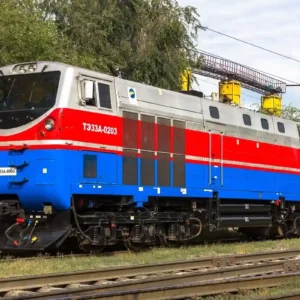
Stadler plans to start producing passenger railcars in Kazakhstan in 2025, creating new jobs. The factory in Astana will manufacture over 100 railcars annually, supporting regional economic growth. This was reported by the railway transport news portal Railway Supply.

Stadler Expands Workforce and Modernizes Production Facilities
Kazakhstan’s Minister of Industry and Construction Kanat Sharlapayev visited Stadler’s factory in Astana during preparations. Officials confirmed that passenger railcar production will start in the second quarter of 2025. The plant, formerly known as “Tulpar,” covers 31,000 square meters with the capacity for over 100 railcars yearly. According to earlier plans, initial deliveries were scheduled for 2023 but faced delays.
Don’t miss…Czech Railways Upgrades Trains with 5G Technology for Better Connectivity
The news site informburo.kz reported that Stadler has modernized its sleeper railcar assembly lines. The company also renovated production facilities to improve efficiency and increase capacity. By 2026, the workforce will grow from 300 to 600 employees to meet rising market demands. This workforce expansion supports Kazakhstan’s railway development and infrastructure modernization efforts.
Stadler Invests in Localization and Long-Term Partnerships
Under a 2022 contract, Stadler will deliver 537 railcars to Kazakhstan Temir Zholy by 2030. The €2.3 billion deal also includes 20 years of maintenance, ensuring continued operational support. Localization rates will start at 9.4% and increase to 35.2% by 2029, boosting domestic production.
The agreement includes not only deliveries but also technical services and training programs for employees. These initiatives promote economic development by creating jobs and reducing reliance on imported components. Increasing local production improves cost efficiency while meeting international quality and safety standards.
Company officials highlight that Stadler railcars will meet global requirements for reliability and passenger comfort. The plant will produce models designed for Kazakhstan’s climate, prioritizing durability and safety features. Advanced technologies and materials will support long-term performance and energy efficiency.
The project is strategically important for Kazakhstan as it modernizes its transport infrastructure. Adding modern railcars will enhance passenger services and attract further investment into railway development. Stadler also aims to build lasting relationships with national and international partners for future growth.
Expanding the workforce will provide new employment opportunities and develop specialized training programs for staff. These programs ensure employees gain the skills needed to operate and maintain advanced rail systems. Supporting workforce development strengthens Kazakhstan’s position in the transportation sector.
Stadler remains committed to sustainability by adopting eco-friendly practices and using energy-efficient materials. The new railcars will meet strict environmental standards, aligning with Kazakhstan’s green initiatives. Continued investments in research and development reinforce Stadler’s leadership in modern railcar manufacturing.
In conclusion, launching passenger railcar production in Kazakhstan is a key milestone for the railway industry. The project strengthens Kazakhstan’s economic position globally and supports transportation infrastructure improvements.
News on railway transport, industry, and railway technologies from Railway Supply that you might have missed:
Don’t miss…Pipe§net Maglev — Revolutionizing Freight Transport with Magnetic Levitation in Italy
Find the latest news of the railway industry in Eastern Europe, the former Soviet Union and the rest of the world on our page on Facebook, Twitter, LinkedIn, read Railway Supply magazine online.Place your ads on webportal and in Railway Supply magazine. Detailed information is in Railway Supply media kit