Melbourne’s Metro Trains Advances Asset Strategy with Smart Tech
24.06.2025
Melbourne’s Metro Trains is transforming asset management through digital innovation and sustainability strategies to meet rising urban transport demands and improve operational efficiency. This is reported by the railway transport news portal Railway Supply.

Metro’s Executive Director of Network Assets and Assurance, Paul O’Halloran, said the company had modernized its business processes to ensure faster, more accurate information flow and long-term operational resilience. He emphasized that these improvements support a smarter, greener model for public transport delivery.
Smart Technology Supports Melbourne’s Metro Trains Growth
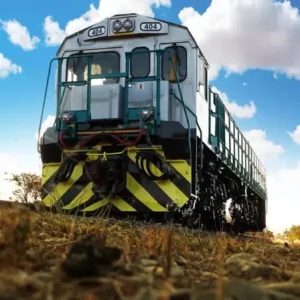
To drive change, Melbourne’s Metro Trains has adopted several cutting-edge technologies across its network. A key innovation is “Evie,” a custom-designed EV120 maintenance vehicle that inspects tracks and overhead lines in real time.
Don’t miss…China Expands Rail Freight to Europe via Kazakhstan Corridor
The company also implemented LiDAR sensors at key stations. These devices measure crowd density and detect unauthorized access, enhancing both security and service planning.
Engineers now use digital twins to test infrastructure performance before construction, helping prevent costly design errors. In addition, geospatial systems provide clear, detailed visualizations of rail assets, improving decision-making and lifecycle planning.
Together, these innovations strengthen asset reliability and improve energy efficiency, aligning operations with long-term environmental goals.
Melbourne’s Metro Trains Looks Ahead to Smart City Integration
O’Halloran believes emerging technologies, artificial intelligence, and smart city concepts will continue reshaping the asset management landscape. He sees rail services becoming more deeply embedded into the broader urban ecosystem, with increased focus on decarbonisation, cybersecurity, and passenger experience.
Melbourne’s Metro Trains plans further investments in digital tools, data-led infrastructure upgrades, and strategic planning to meet evolving demands. These steps aim to build a fully connected, sustainable metro system capable of adapting to future challenges.
Barriers and Commitment to Progress
While progress is evident, integrating modern technology into decades-old infrastructure remains difficult. Technical complexity, financial pressure, and the risk of service disruptions all present ongoing challenges.
Still, O’Halloran stressed the need for long-term collaboration and thoughtful planning. He will present Metro’s strategic vision during the Urban Rail Conference on June 25–26 in Melbourne, where industry leaders will discuss innovations in transport technology and sustainability.
News on railway transport, industry, and railway technologies from Railway Supply that you might have missed:
Find the latest news of the railway industry in Eastern Europe, the former Soviet Union and the rest of the world on our page on Facebook, Twitter, LinkedIn, read Railway Supply magazine online.Place your ads on webportal and in Railway Supply magazine. Detailed information is in Railway Supply media kit