India Hydrogen-Powered Train Trial on Jind-Sonipat Route in December 2024
04.10.2024
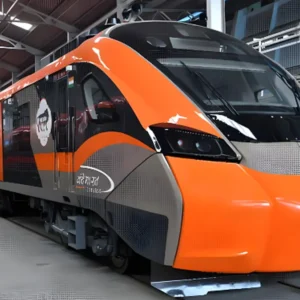
In December 2024, India’s first hydrogen-powered train will undergo a trial run on the Jind-Sonipat route, spanning 89 kilometers, according to the railway transport news portal Railway Supply.
This innovative project, spearheaded by the Northern Railway in Delhi, represents a significant milestone in India’s push toward eco-friendly transportation. Hydrogen-powered trains offer a green alternative to conventional trains, and this test run is set to position India at the forefront of sustainable rail technology.The importance of hydrogen trains in India has been steadily growing, garnering considerable attention from both the Indian government and the public. The Jind-Sonipat hydrogen train trial is a crucial first step in demonstrating how these environmentally friendly trains can become a viable alternative to diesel-powered and electric trains, significantly reducing greenhouse gas emissions.
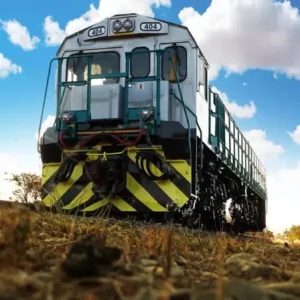
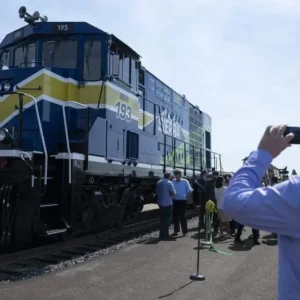
Locomotive Deliveries to Africa Will Begin in 2025 by Wabtec and Indian Railways
To support this revolutionary project, the Indian government has allocated 28 billion rupees (approximately 340 million USD) in the 2023-2024 fiscal year. This budget will be used for the development and production of 35 hydrogen-powered trains, showcasing the government’s commitment to achieving a sustainable future.
Moreover, an additional 6 billion rupees (approximately 73 million USD) has been earmarked for building the necessary infrastructure to maintain these hydrogen trains, marking a clear investment in the country’s green future.
The project is being spearheaded by Indian company Medha Servo Drives (MDS), which has partnered with Canadian company Ballard Power Systems to equip the trains with advanced fuel cell technology. Each of the train’s eight carriages will be powered by 100 kW FCmove-HD+ fuel cells, enabling them to run entirely on hydrogen.
These trials will showcase how hydrogen trains can operate efficiently and become a sustainable part of India’s railway network.
For hydrogen production and refueling infrastructure, GreenH Electrolysis is setting up a facility in Jind, which includes a 1 MW electrolyzer capable of producing approximately 420 kilograms of hydrogen daily.
In addition to production capabilities, the facility will have a 3-ton hydrogen storage unit and compressors for refueling the trains. This infrastructure investment is a key component of the project and will support the expansion of hydrogen technology in India’s rail sector.
This first major implementation of hydrogen trains on the Jind-Sonipat route highlights a significant step forward for Indian railways and the country’s broader environmental goals.
The success of this project could lead to a broader adoption of hydrogen technology across India’s transportation sector, furthering the shift toward clean, sustainable energy sources.
Rail business, industry, and railway technology news from Railway Supply that you might have missed:
New FLIRT trains from Stadler for Swiss operator SZU
Find the latest news of the railway industry in Eastern Europe, the former Soviet Union and the rest of the world on our page on Facebook, Twitter, LinkedIn, read Railway Supply magazine online.Place your ads on webportal and in Railway Supply magazine. Detailed information is in Railway Supply media kit