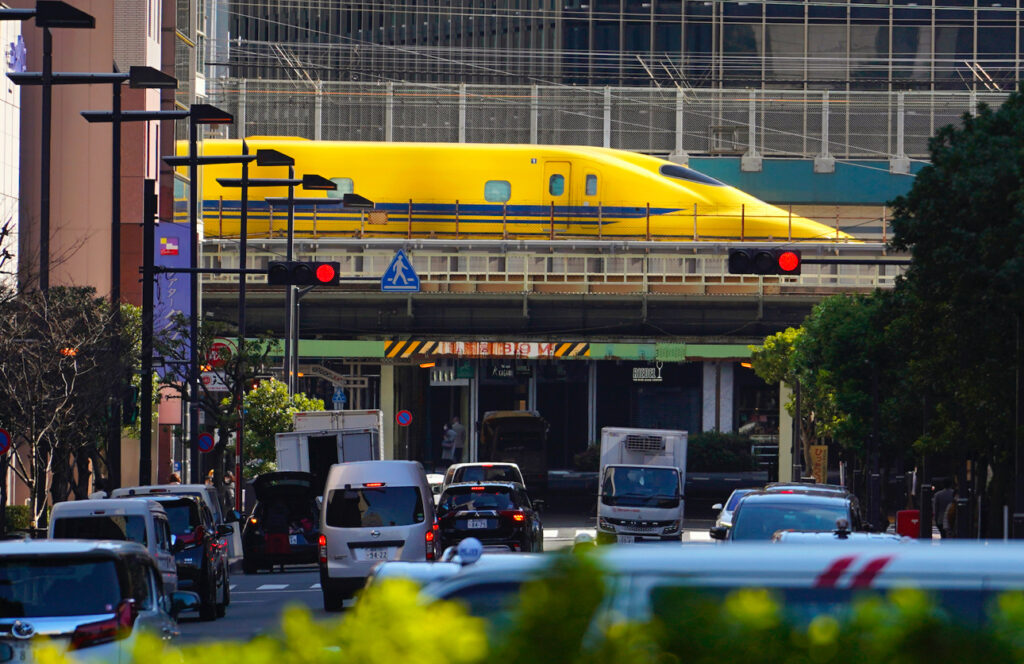
Farewell to Iconic “Doctor Yellow” Bullet Trains in Japan
04.01.2025
Japan prepares to retire the iconic “Doctor Yellow” bullet trains, which have inspected tracks for decades. These bright yellow trains gained fame for their vital diagnostic role and cultural significance. This was reported by the railway transport news portal Railway Supply.
The Legacy of “Doctor Yellow” Bullet Trains
For over 60 years, the “Doctor Yellow” bullet trains have monitored Japan’s shinkansen rail network, ensuring safety and efficiency. Their distinctive yellow color symbolized precision and visibility, captivating railway enthusiasts.
Don’t miss…Kazakhstan Expands Rail Projects to Boost Transport and Economic Development
JR Central confirmed the T4 model will retire this month, ending its operations after launching in 2001. Meanwhile, the T5 model, introduced in 2005, will continue service until 2027 before retiring completely.
Why “Doctor Yellow” Bullet Trains Are Retiring?
JR Central cited aging infrastructure as the main reason for retiring these famous diagnostic trains. Instead, from 2027, upgraded N700S passenger trains equipped with advanced testing systems will take over track inspections.
The retirement marks a shift toward modern technology while preserving Japan’s tradition of rail excellence. Advanced diagnostic sensors in new models will maintain the same safety standards established by their predecessors.
A Cultural Icon and Technological Marvel
The “Doctor Yellow” bullet trains achieved speeds of 270 kilometers per hour while performing highly accurate diagnostics. Their rare appearances led to widespread admiration, with many believing sightings brought good fortune.
Celebrations for their legacy included factory tours, where visitors explored the trains up close. Demand for themed merchandise, including toys, spiked ninefold after news of the retirement broke.
The Beginning of a New Era
The first “Doctor Yellow” model, T1, entered service in 1964, shortly after Japan’s high-speed rail launch. Its yellow color ensured visibility during nighttime maintenance, laying the foundation for decades of reliability.
Modern T4 and T5 models enhanced technology, inspecting infrastructure with millimeter precision. Covering over 1,000 kilometers in two days, they operated approximately every 10 days, keeping tracks safe and operational.
JR Central official Hiroya Mochizuka thanked the trains for their long service, humorously suggesting they may “become doctors” continuing diagnostic work in spirit.
The retirement of the “Doctor Yellow” bullet trains reflects Japan’s commitment to innovation while honoring a beloved symbol of technological excellence. The new N700S trains will preserve safety standards, blending tradition with modern advancements.
Fans and enthusiasts will remember the “Doctor Yellow” trains not only as diagnostic marvels but also as cultural icons that symbolized Japan’s dedication to precision and efficiency in high-speed rail travel.
Source, photo: japantoday.com
News on railway transport, industry, and railway technologies from Railway Supply that you might have missed:
Don’t miss…Hong Kong Rail Operator MTR Explores Bonds and Asset Sales for Growth