Driverless Trains Revolutionize Mumbai’s Aqua Line and Urban Transport
08.10.2024
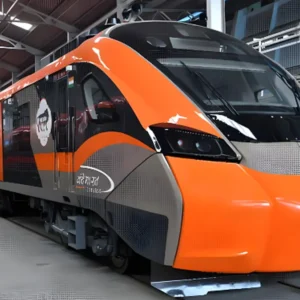
Driverless trains are now at the heart of Mumbai’s transport innovation, providing a faster and more efficient way to travel, this is reported by the railway transport news portal Railway Supply.

The first phase of the Aqua Line, which features driverless trains, is ready for service, offering residents improved connectivity. The new line will link the Bandra Kurla Complex with Aarey JVLR, easing daily commutes for thousands of people.
E500 Locomotive: Transforming Taiwan’s Railway Infrastructure
Covering a distance of 33.5 kilometers, the Aqua Line is Mumbai’s first entirely underground metro route. It stands out not just for its length but also for its use of advanced technology.
The Communications-Based Train Control (CBTC) system, implemented by Alstom, powers the driverless operations on the Aqua Line. This level of automation places the metro among the most modern systems globally.
Advanced Technology of Driverless Trains
Alstom India has led the way in delivering innovative solutions. The company supplied both the driverless trains and the signaling systems that power the Aqua Line.
These trains, produced locally in India, demonstrate a commitment to efficiency and sustainability. With a regenerative braking system, they reduce carbon emissions, making commuting more eco-friendly.
The technology also helps Mumbai address environmental challenges. About 96% of the materials used to build the trains can be recycled, further emphasizing the metro’s focus on sustainability. These advancements also make the metro safer and more reliable.
Eco-Friendly and Safe Travel with Driverless Trains
Passengers using the Aqua Line will benefit from high-tech safety features. These include facial recognition cameras, emergency communication systems, and fire detection technology, which all enhance passenger security. The driverless trains promise a safer, faster, and greener urban transit solution.
Thanks to Alstom’s Urbalis Forward system, the Aqua Line operates with full automation, or GoA4. This allows the trains to run without human intervention, improving efficiency and reducing delays. Each of the 31 trains has a capacity of 3,000 passengers, catering to over 1.6 million commuters daily.
As the Aqua Line opens, Mumbai’s urban transit system will take a significant leap forward. These driverless trains showcase how automation and cutting-edge technology can transform urban mobility, offering a glimpse into the future of public transportation.
News on railway transport, industry, and railway technologies from Railway Supply that you might have missed:
Multimodal routes by Eurostar and SkyTeam offer flexible travel options
Find the latest news of the railway industry in Eastern Europe, the former Soviet Union and the rest of the world on our page on Facebook, Twitter, LinkedIn, read Railway Supply magazine online.Place your ads on webportal and in Railway Supply magazine. Detailed information is in Railway Supply media kit