DB and Fortescue jointly develop ammonia-hydrogen engine
25.10.2022
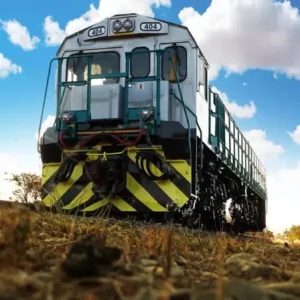
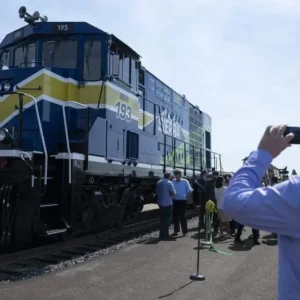
GERMAN Rail (DB) and Australian energy company Fortescue Future Industries (FFI), a subsidiary of Fortescue Metal Group, are working together to develop an ammonia-hydrogen engine as an environmentally friendly alternative to diesel engines for locomotives and rail vehicles. It is reported by Railway Supply magazine with reference to IRJ.

The ammonia-hydrogen engine is based on an existing diesel engine that will be modified to run on clean ammonia and renewable hydrogen. The advantage over a pure hydrogen engine is that ammonia has a higher energy density than liquid hydrogen and is easier to transport and store.
Lithuania tightens control over railway cargo from Belarus
In an ammonia-hydrogen engine, a small portion of the ammonia is splitted outside the engine into hydrogen and nitrogen, the resulting hydrogen then being mixed with the remaining ammonia as a flammable gas, resulting in CO2-free combustion.
The prototype engine is currently being tested on the engine test bench and, together with FFI, DB continues to develop the technology using methods including endurance testing and emission measurements. Overall, both companies say they are investing six-figure euros in the project.
The collaboration between the two organizations is also focused on the potential for green supply chains covering the production, transportation and distribution of hydrogen and ammonia. FFI wants to produce large quantities of hydrogen that can be sold worldwide as green ammonia, with DB potentially a major buyer. At the same time, DB Cargo is developing green logistics concepts to bring hydrogen and hydrogen derivatives such as ammonia to the rail industry.
Railway news you might have missed:
Go-Ahead to use Siemens double-deck electric trains in Bavaria
Find the latest news of the railway industry in Eastern Europe, the former Soviet Union and the rest of the world on our page on Facebook, Twitter, LinkedIn, read Railway Supply magazine online.Place your ads on webportal and in Railway Supply magazine. Detailed information is in Railway Supply media kit