E10 Shinkansen: Japan’s High-Speed Train Inspired by Nature
24.05.2025
The E10 Shinkansen is Japan’s newest high-speed train project, combining innovative engineering and sakura-inspired design to redefine rail travel by 2030. This is reported by the railway transport news portal Railway Supply.

Japan’s E10 Shinkansen: A Blossom-Inspired High-Speed Revolution Arriving by 2030
In Japan, where tradition and innovation walk side by side, a new chapter in high-speed rail travel is unfolding. East Japan Railway Company (JR East) is preparing to launch the E10 Shinkansen, a next-generation bullet train that blends technical precision with artistic inspiration drawn from cherry blossom petals. Slated to enter service by 2030, this train redefines what it means to travel fast, safely, and beautifully.
A Vision Rooted in Nature and Design
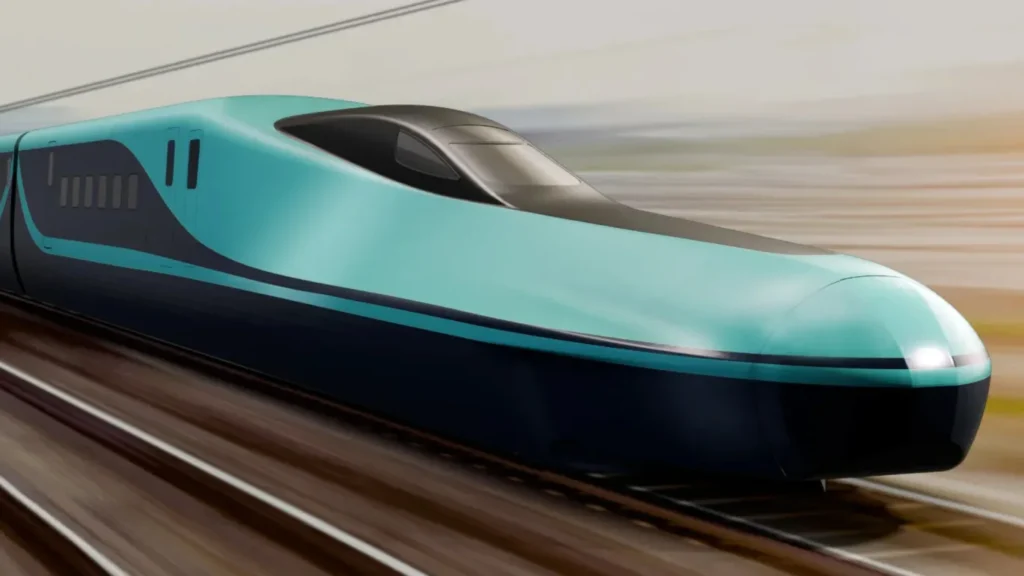
JR East’s E10 Shinkansen isn’t merely a transportation upgrade; it represents a transformation of the rail experience. Developed in partnership with London-based design studio Tangerine, the train’s appearance is anything but conventional. The carriages are visually unified by a continuous, undulating line that gives the impression of graceful, fluid motion—like a flower drifting through the wind.
Don’t miss…Supply of TGM23B and M62 locomotives
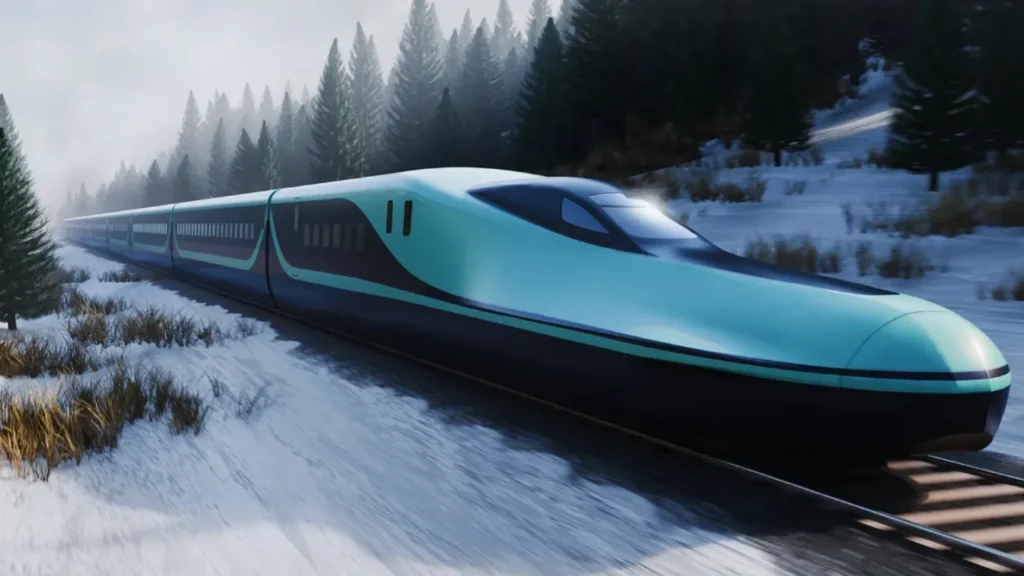
This poetic approach to motion is enhanced by a color palette inspired by nature. The upper section of the train is painted in Tsugaru Green, echoing the vivid freshness of spring forests, while the lower portion is clad in Evening Elm, a deeper shade reminiscent of the mountainous terrain of Tohoku. These choices are far from arbitrary; they connect the train not only to its physical route between Tokyo and Tohoku, but also to the cultural and natural character of the region.
Engineering Innovation with a Focus on Safety
Beneath the elegant exterior lies a complex system of advanced technologies, all engineered with one goal in mind: performance without compromise. JR East has prioritized safety features that directly address Japan’s vulnerability to seismic activity. The E10 incorporates L-shaped derailment prevention guides, which ensure the train remains on the tracks during earthquakes. To enhance comfort, engineers also installed lateral vibration damping systems that stabilize the ride even under turbulent conditions.
Another standout feature is the fanless traction motor, which operates with near-silent precision. This motor not only minimizes cabin noise, improving passenger comfort, but also reduces mechanical complexity and maintenance needs. Developed as part of the ALFA-X testing platform, these systems reflect years of R&D focused on maximizing durability, reliability, and efficiency.
An Interior Built for Today’s Traveler
Inside, the E10 Shinkansen embraces the evolving expectations of modern passengers. The cabin layout has been refined to increase comfort and usability. In upper-class cars, seats are arranged two per row, offering enhanced personal space that rivals airline business class. Every seat comes equipped with power outlets, catering to the growing number of passengers who travel with multiple devices—whether for work, entertainment, or connectivity.
JR East also ensured the train meets inclusive design standards. Passengers with limited mobility will find dedicated window zones with extra room to maneuver and simplified access points. The interior can even be reconfigured to accommodate bulky luggage or light cargo, positioning the train for future hybrid uses that could include autonomous freight service.
Timetable and Transition Plans
Although the E10 will not be fully operational until 2030, JR East intends to begin test runs by autumn 2027. These trials will help validate the train’s technologies and passenger experience before it begins replacing the aging E2 and E5 series—longstanding workhorses of Japan’s high-speed network.
Each E10 configuration will include 10 carriages, linking Tokyo with destinations across the Tohoku region. The introduction of this train will modernize one of Japan’s most vital transport corridors while reinforcing the country’s global leadership in high-speed rail.
Riding the Future: Where Travel Meets Art
The E10 Shinkansen isn’t just a machine—it’s a declaration of intent. In a transportation world increasingly focused on carbon reduction, digital integration, and passenger satisfaction, JR East’s new train offers something more: emotional resonance. By merging the mechanical with the meaningful, the E10 elevates travel into an experience. Every design detail—from the ripple-like exterior to the blossom-hued interior—invites passengers to pause and appreciate the journey itself.
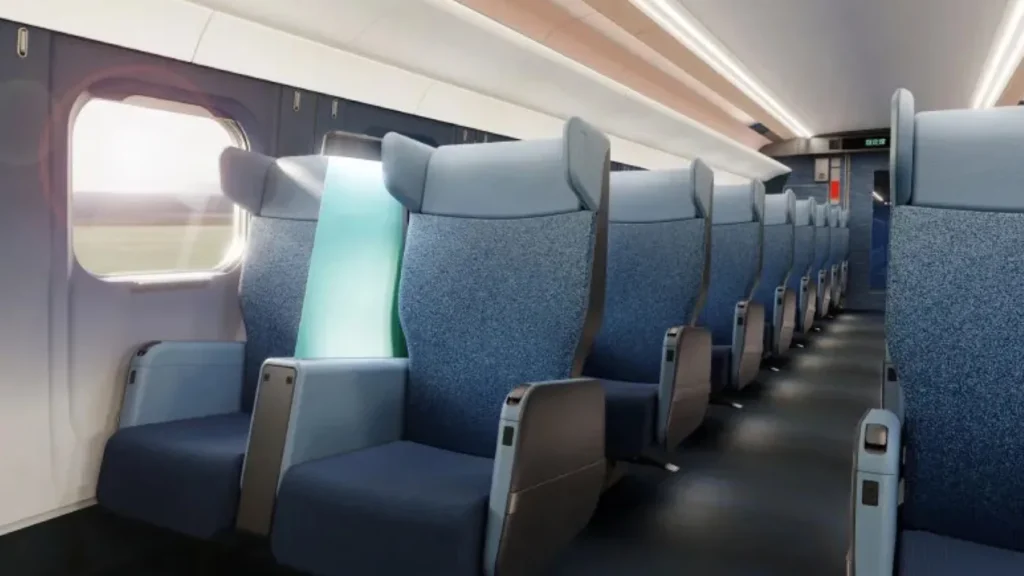
This philosophy sharply contrasts with much of the global rail industry, where efficiency often overshadows aesthetics. JR East seeks to change that narrative. For Japan, a country that reveres nature’s fleeting beauty and celebrates craftsmanship, the E10 Shinkansen is both a functional marvel and a cultural statement.
What the E10 Shinkansen Symbolizes for Japan
The train’s inspiration—sakura blossoms—carries profound meaning in Japanese culture. These flowers represent impermanence, rebirth, and the poetry of life’s changing seasons. By echoing this symbolism in the E10’s design, JR East has created more than just a train: it has engineered a metaphor on rails. This emphasis on emotional design is becoming increasingly important in public infrastructure, where experience now matters as much as efficiency.
Furthermore, the integration of cutting-edge technology without sacrificing environmental or aesthetic goals signals a broader trend. Governments and corporations worldwide are striving to align innovation with values. In this regard, the E10 serves as a model for future transportation initiatives—one where green power, user-centric features, and beauty intersect.
Conclusion: A Journey Into the Future
As the countdown to 2030 continues, the E10 Shinkansen stands as a bold preview of what tomorrow’s railways might look like. It proves that infrastructure doesn’t have to be cold or impersonal—it can be elegant, empathetic, and even inspired. With its blend of quiet motors, adaptive interiors, and blossom-inspired curves, the E10 invites the world to reimagine what travel can be when technology and artistry move forward together.
Project Snapshot: E10 Shinkansen
- Train Name: E10 Shinkansen Bullet Train
- Developer: East Japan Railway Company (JR East)
- Design Partner: Tangerine (London, UK)
- Color Scheme: Tsugaru Green (upper), Evening Elm (lower)
- Testing Begins: Autumn 2027
- Full Launch: By 2030
- Number of Cars: 10
- Primary Route: Tokyo – Tohoku
- Notable Features:
- Fanless, quiet motor
- Earthquake-resistant derailment guards
- Vibration damping systems
- Power outlets at all seats
- Accessibility-enhanced zones
- Convertible interiors for luggage or cargo
In the E10, JR East hasn’t just built another train—it’s created a moving tribute to both the future and the fleeting beauty of the present.
Source: citymagazine.si
News on railway transport, industry, and railway technologies from Railway Supply that you might have missed:
Find the latest news of the railway industry in Eastern Europe, the former Soviet Union and the rest of the world on our page on Facebook, Twitter, LinkedIn, read Railway Supply magazine online.Place your ads on webportal and in Railway Supply magazine. Detailed information is in Railway Supply media kit