Dadri-JNPA Freight Corridor: Shaving 50% Off India’s Transit Times
25.05.2026
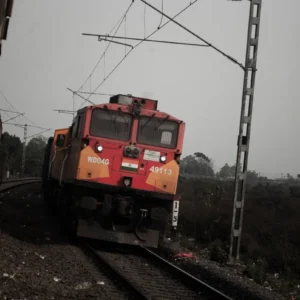
JNPA WDFC rail connectivity is moving into focus as JNPA and CONCOR meet trade stakeholders in Ludhiana. At the centre of the discussion are full-corridor rail operations from Dadri in the NCR to JNPA through the Western Dedicated Freight Corridor.

How JNPA WDFC rail connectivity changes freight flows?
Jawaharlal Nehru Port Authority, India’s largest container port, held the high-level JNPA–CONCOR trade meet with Container Corporation of India Ltd. to discuss the new rail link with the trade and logistics community, as reflected in JNPA’s official update on the Ludhiana meeting. The initiative was presented as a significant step for India’s multimodal logistics framework and for improving the movement of export-import cargo.
The event brought together senior officials from JNPA and CONCOR with exporters, importers, shipping lines, container train operators, logistics service providers, and representatives of key trade and industry organisations. Its main purpose was to explain how the Dedicated Freight Corridor could reshape cargo movement between northern India and the country’s leading maritime gateway.
Participants were also briefed on the operational, commercial, and sustainability advantages linked to Dadri to JNPA rail operations. In JNPA’s own rail connectivity overview, the Western DFC is identified as the Dadri–JNPA corridor, placing this route within the port’s wider rail-access strategy.
Cost, speed, and reliability for exporters
Cost efficiency was one of the main themes at the Ludhiana trade interaction. The shift from road to rail transport is expected to help offset rising operating costs tied to fuel price volatility. For businesses moving cargo between northern India and JNPA, the rail-based logistics model was presented as a more economical and resilient supply chain option.
Speed and reliability formed another major part of the discussion. Freight movement through the Western Dedicated Freight Corridor is expected to reduce transit times to JNPA by nearly 50 per cent. Faster and more predictable cargo flows would help exporters and importers improve supply chain planning and meet delivery commitments more effectively.
JNPA and CONCOR also reaffirmed their commitment to dedicated rake availability, streamlined cargo handling, and faster customs clearances. These measures are aimed at supporting smoother cargo movement as volumes increase, while also improving operational efficiency across the logistics chain.
Sustainable freight transportation through WDFC
Sustainability was another major part of the discussion. Rail transport has a considerably lower carbon footprint than conventional road movement, making the route relevant not only for cost and speed, but also for India’s broader green logistics objectives.
The meeting also pointed to JNPA’s infrastructure strength and operational capabilities. As India’s premier container port, JNPA was positioned as a critical gateway for the country’s international trade ambitions and as a key part of the wider freight network.
The initiative reflects the shared commitment of JNPA and CONCOR to promote integrated, efficient, and sustainable freight transportation. A Ministry of Railways update on Dedicated Freight Corridors also frames the DFC programme around stronger freight capacity and logistics efficiency, matching the wider context behind the Dadri–JNPA rail push.