CN Rail grain delays spur $23M federal damages ruling
28.11.2025
CN Rail grain delays have resulted in the railway being ordered to pay more than $23 million in damages after it failed to move grain bound for British Columbia’s west coast ports during a season when a bumper crop coincided with severe winter weather, as reported by Vancouver Is Awesome.
This is reported by the railway transport news portal Railway Supply.
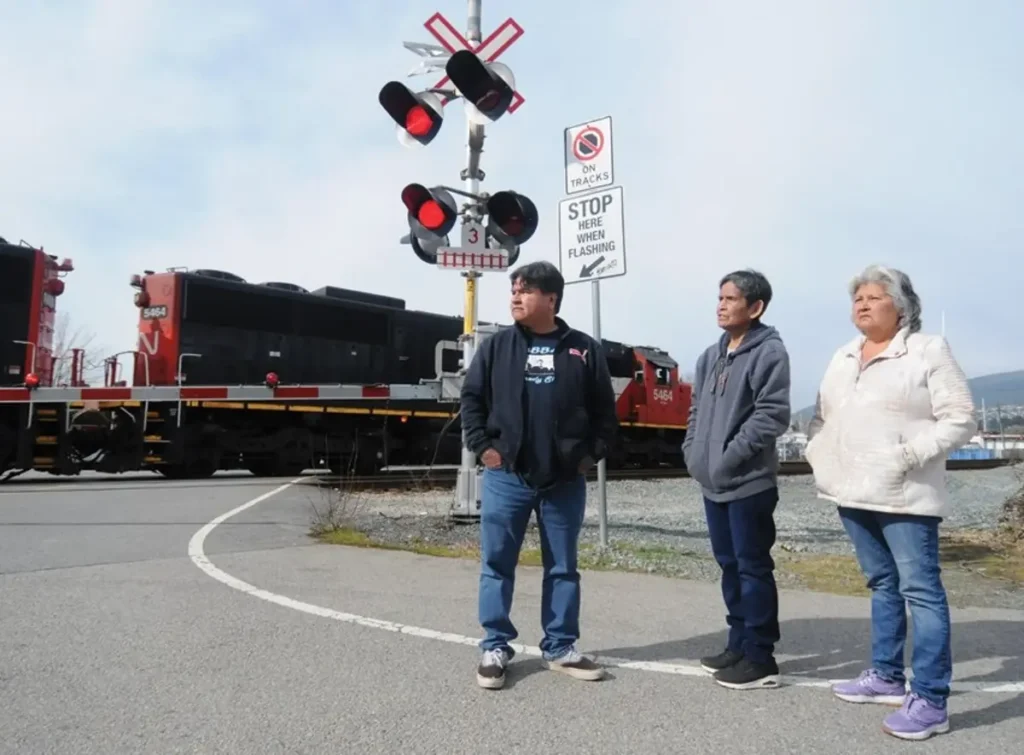
In a decision released on Nov. 25, Federal Justice Alan Diner held the national railway liable to the Louis Dreyfus Company, a global “farm to fork” agribusiness that ships grain grown in central Canada to export terminals in B.C. The ruling turns what had been a long-running dispute into a CN Rail $23M grain delay ruling that grain shippers will view in the context of service obligations.
CN Rail grain delays during the 2013–2014 winter crisis
At the centre of the Louis Dreyfus vs CN Rail grain case were shipments destined for major export terminals in the Vancouver area and Prince Rupert in the 2013–2014 crop year, when farmers harvested the largest crop in Canadian history. CN argued it had prepared for the surge by pre-positioning rail cars and at one point claimed it was moving 5,000 cars a week across Western Canada.
Don’t miss…Camrail GE compressor maintenance goes fully local in Douala
As pressures grew, the federal government issued an order in council on March 7, 2014, requiring both CN and CP to move specified minimum volumes of grain in Western Canada, a step aimed at easing what had become a 2013–2014 winter grain transportation crisis. Even with that order in place, Diner wrote that “its capacity did not satisfy the large demand surge.”
Temperatures then plunged and the Prairies went through what was described as the worst winter in decades, which deepened the 2013–2014 B.C. grain shipping backlog. By February, CN said, extreme cold created operational constraints: speed limits were reduced, switches failed and trains had to be shortened.
As a result, the number of rail cars moving that month dropped to 2,700, well below what Louis Dreyfus Company needed to move its grain through B.C. west coast grain ports.
Louis Dreyfus grain elevators captive to CN Rail
Louis Dreyfus Company operates six grain elevators along CN’s rail network—one in Dawson Creek, B.C., and several more in Alberta, Saskatchewan and Manitoba. In his reasons, Diner underlined that some of these Louis Dreyfus Company grain elevators were served exclusively by CN, leaving them effectively “captive” to the railway.
Under a confidential contract, CN was required to provide a minimum number of rail cars so grain could move from these inland elevators to B.C. and then on to global markets. For shippers, this confidential grain car supply contract between CN Rail and Louis Dreyfus Company was central: when CN did not supply the contracted level of service, the company argued it had no alternative route to move its grain.
At the time, five large port terminal elevators owned by major grain companies operated in the Vancouver area. Among them was Kinder Morgan’s North Shore Terminal, with a licensed storage capacity of 25,000 tonnes. Louis Dreyfus had an exclusive agreement with the North Shore facility and also held contracts with the Cargill Terminal in North Vancouver and the Prince Rupert Grain Terminal on B.C.’s north coast. Together, these Vancouver and Prince Rupert grain terminals formed the coastal end of a logistics chain that depended on CN’s performance inland.
Backlog at B.C. grain ports and rising demurrage charges
Winter conditions added another obstacle to grain movements through B.C. west coast grain ports. Ships carrying grain cannot be loaded in the rain because of the risk of spoilage, so loading slows during wet winter periods along the Pacific coast. As rail service faltered and loading windows narrowed, the backlog built up and an unprecedented number of vessels waited at anchor off Vancouver, Prince Rupert, Victoria and even farther off Vancouver Island, according to the ruling. For shipowners and grain companies, this translated into growing vessel demurrage charges for delayed ships.
In its court application, Louis Dreyfus argued that CN’s failure to meet its service commitments meant the company could not fulfill its own sales contracts. It said the shortfall in service produced more than $21.6 million in lost profits and over $4 million in vessel demurrage charges—penalties commonly applied in grain shipping through B.C. ports when cargo or vessels are delayed beyond the allotted time for loading, unloading or clearing a terminal.
The company also sought $3.5 million in reputational harm, arguing the disruptions damaged its standing with customers. In effect, the case asked the court to assess what losses Louis Dreyfus Company could claim from CN Rail grain service failures during such a transportation crisis.
Diner accepted expert evidence that these losses were not recoverable later in the crop year; once ships had sailed or contracts had been disrupted, the missed opportunities could not simply be recreated.
While he acknowledged that the entire grain sector was affected by the transportation crisis, he found that CN had failed to provide the contracted level of service under both the order in council on minimum grain volumes and its confidential agreement with Louis Dreyfus. That failure, he concluded, directly prevented the company from earning the profits it otherwise would have made.
In the end, the judge ordered CN Rail to pay damages of more than $23 million for the combination of lost profits and part of the vessel demurrage charges, but he did not grant the full amount the company had claimed.
He agreed to cover some, but not all, of the demurrage costs and rejected the request for $3.5 million in reputational damages. In his view, the systemic operational issues during the 2013–2014 winter grain transportation crisis affected all shippers in the industry and were not specific to Louis Dreyfus, even though the CN Rail winter grain transportation crisis and its grain delays had particularly severe consequences for the company’s captive elevator network.
News on railway transport, industry, and railway technologies from Railway Supply that you might have missed:
Find the latest news of the railway industry in Eastern Europe, the former Soviet Union and the rest of the world on our page on Facebook, Twitter, LinkedIn, read Railway Supply magazine online.Place your ads on webportal and in Railway Supply magazine. Detailed information is in Railway Supply media kit