China Unveils First Autonomous Rail Yard to Boost Logistics
02.07.2025
China has launched its first autonomous rail yard in Yiwu, aiming to modernize logistics operations and expand intelligent infrastructure across the nation. This is reported by the railway transport news portal Railway Supply.

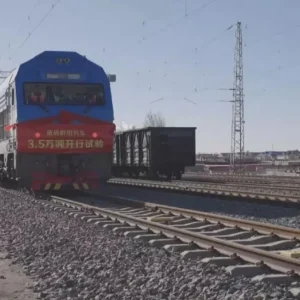
The facility at the Suxi container terminal began operations on June 27, sending a freight train with 100 containers to the Ningbo-Zhoushan Port. This port remains the busiest in the world by cargo tonnage.
Don’t miss…STB Advances Key Cases to Reduce Longstanding Backlog
Designed to process 660,000 TEUs annually, the terminal connects to the Ningbo-Jinhua Railway. It includes a rail loading zone, customs area, container yard, and digital logistics control center.
The site serves as China’s pilot zone for autonomous rail yard operations. Remote-controlled cranes, smart transport vehicles, and automated warehousing systems work alongside human operators.
According to logistics officials, the hybrid system increases speed and flexibility in freight processing. It also marks a significant step toward nationwide digital infrastructure goals.
China Develops Smart Inland Logistics Network
The terminal links inland manufacturers directly with maritime trade hubs. It enables “one-time declaration, inspection, and release” for cargo moving through customs.
As a result, shipments processed at Suxi follow the same legal framework as those entering Chinese seaports, reducing delays and improving efficiency.
Zhao Jianmin, general manager at Zhejiang Seaport Yiwu Hub Port Co., Ltd, said this model saves both time and costs while strengthening China’s trade capabilities.
The corridor between Yiwu and Ningbo-Zhoushan creates a seamless logistics chain. It accelerates exports and minimizes administrative burdens for shipping firms.
China Sets Blueprint for Future Rail Terminals
This project supports China’s broader aim to reduce emissions, digitize transport, and boost multi-modal logistics systems. Automation plays a critical role in that strategy.
Officials believe the Suxi terminal could serve as a template for future inland hubs, helping connect production centers with global markets more effectively.
By combining manual and automated functions, the facility offers a scalable and resilient approach to freight handling. This model enhances trade connectivity and drives smarter infrastructure development across China.
Source, photo: railwaypro.com
News on railway transport, industry, and railway technologies from Railway Supply that you might have missed:
Find the latest news of the railway industry in Eastern Europe, the former Soviet Union and the rest of the world on our page on Facebook, Twitter, LinkedIn, read Railway Supply magazine online.Place your ads on webportal and in Railway Supply magazine. Detailed information is in Railway Supply media kit