Caltrain FY26 Ridership Exceeds 12.5 Million Rides
23.07.2026
Caltrain FY26 ridership exceeded 12.5 million rides as average weekday use climbed above 40,000, extending the California commuter railroad’s recovery despite a looming operating shortfall.
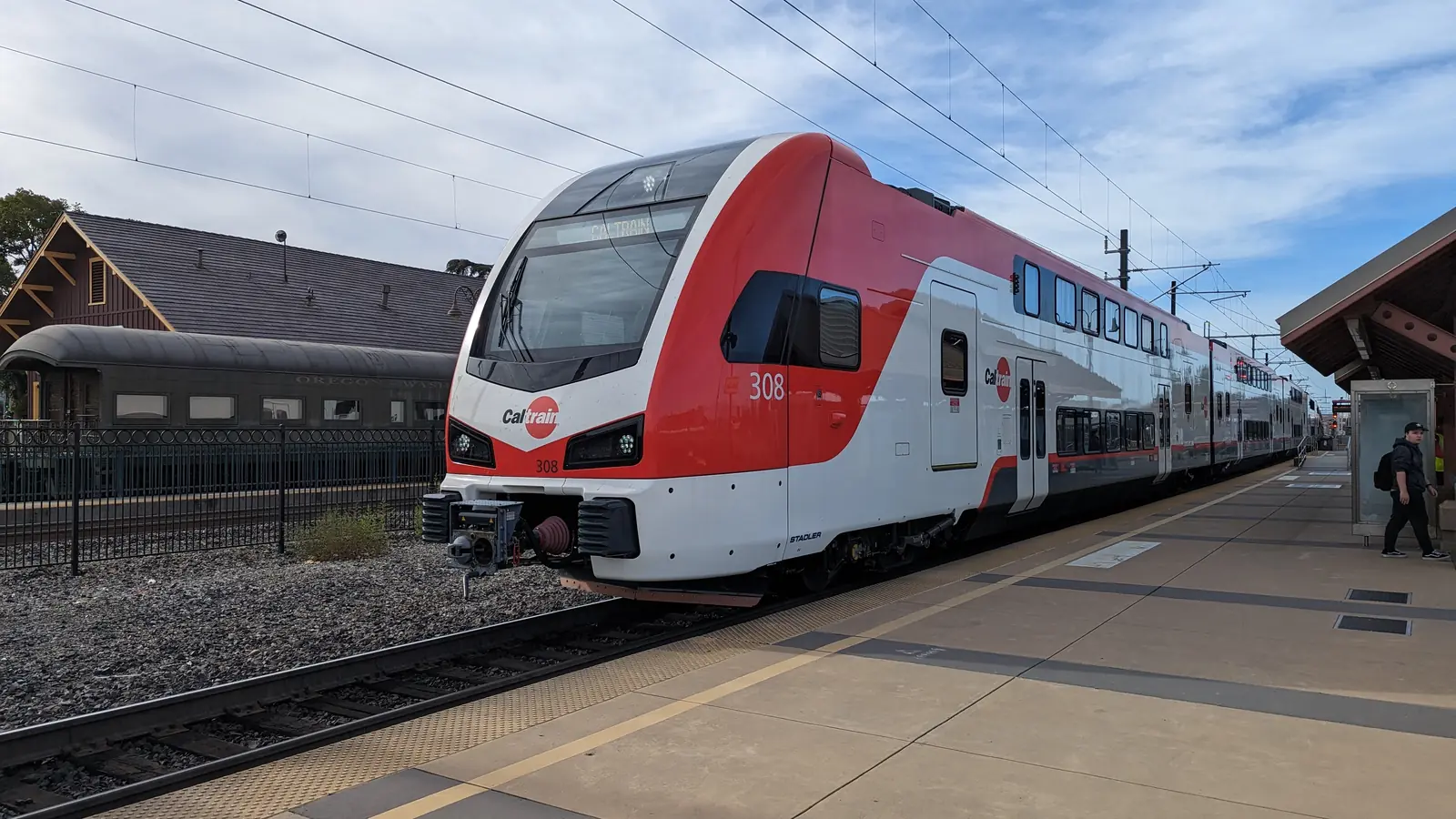
Caltrain FY26 ridership tops 1 million for four months
According to Caltrain’s official FY26 update, the railroad recorded more than 1 million monthly rides in every month from March through June. March was the earliest month of the calendar year that Caltrain crossed that threshold since launching electrified service; in 2025, it did not reach 1 million until June.
Average weekday ridership exceeded 40,000, up 36.9% from FY25. Across the fiscal year, total ridership recovered from about 64.4% of pre-pandemic levels at the beginning to 81.5% by the end.
Weekend use averaged roughly 150% of its pre-pandemic level. Caltrain says electrification made half-hourly weekend service possible, contributing to the increase since the new service pattern began.
Special events also brought new passengers onto the railway. More than 38,000 people used Caltrain to reach World Cup matches and watch parties, while the Super Bowl and Stanford’s BTS concert generated additional event travel.
Don’t miss…BNSF Warns of Gulf Coast Freight Delays from Bertha
Higher ridership cannot close the funding gap
Rising patronage has not resolved Caltrain’s financial challenge. The board adopted a balanced FY27 operating budget in June, but the railroad still expects an estimated $75 million funding gap in FY28.
The adopted FY27 operating plan totals $269 million and identifies a state loan as critical to balancing the budget. Caltrain also says that fare revenue growth alone cannot sustain existing operations, even if ridership continues to increase.
Caltrain runs from San Francisco through San Jose to Gilroy, serving the Peninsula and South Bay. The FY26 results show a broader return to the railway, but securing enough funding to maintain current service levels remains the next operational test.
News on railway transport, industry, and railway technologies from Railway Supply that you might have missed:



