BNSF Says CN Access Deal Undercuts UP–NS Merger Case
24.07.2026
BNSF says Union Pacific’s new agreement with Canadian National weakens the case for its proposed $85 billion Norfolk Southern acquisition because comparable benefits can be achieved without a merger.
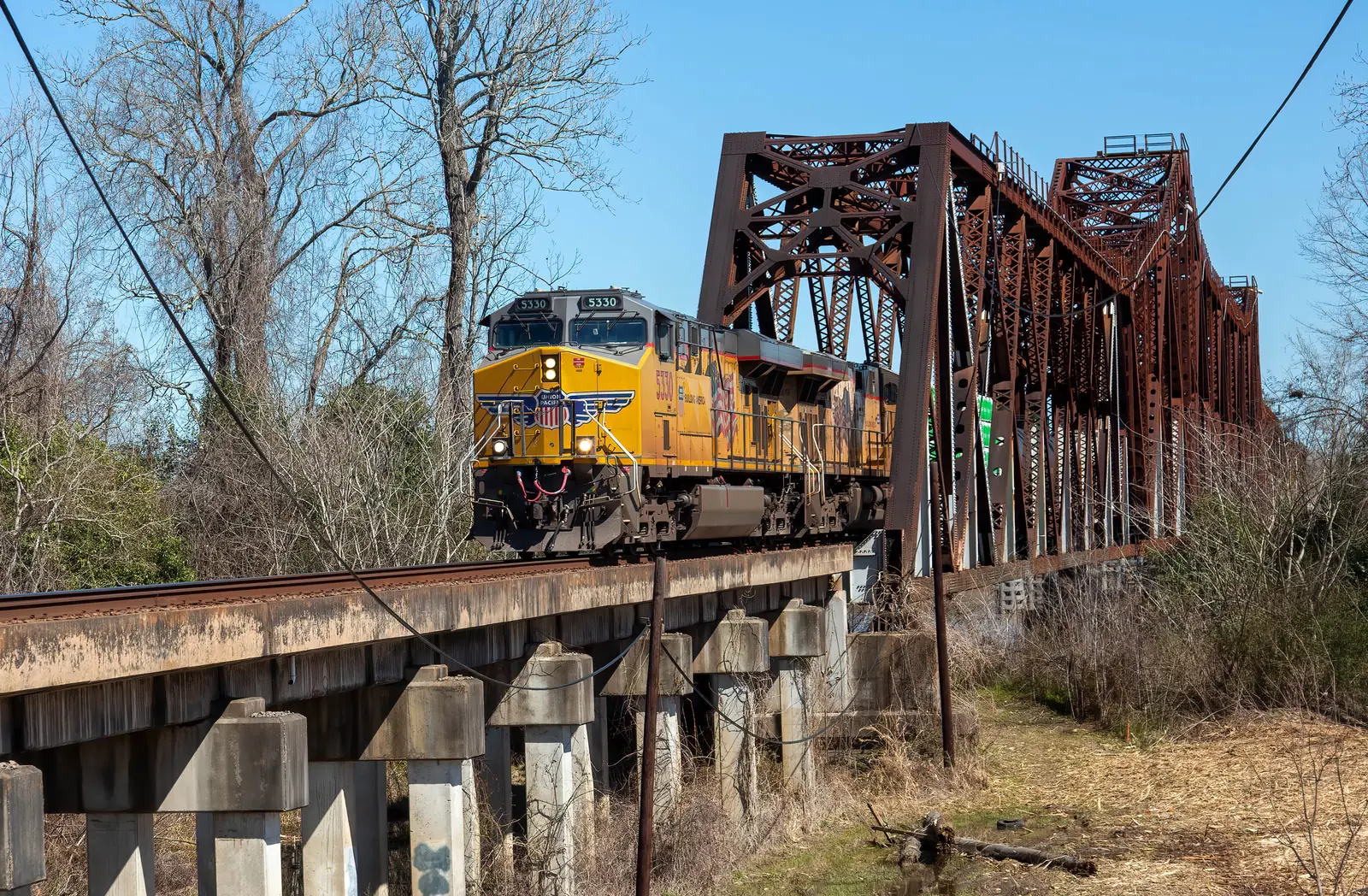
BNSF framed the July 22 agreement as evidence against Union Pacific’s claim that consolidation is necessary to create broader routes and service options. In the Associated Press report, spokesperson Zak Andersen said, “UP is required to demonstrate that the benefits it claims can only be achieved through a merger.” He argued that the CN agreement points to the opposite conclusion.
The proposed combination would control more than 40% of US rail traffic and reduce the number of major US freight railroads to five. BNSF and CPKC oppose the transaction, while CSX has raised concerns about its effect on the industry’s competitive balance.
CN Gains Midwest Access and Drops Opposition
CN agreed not to oppose the transaction after negotiating a binding memorandum with Union Pacific. The official agreement would allow CN to serve certain shipper facilities where Class I options fall from two to one or three to two, where commercially and operationally feasible.
CN would also acquire Norfolk Southern’s interests in the Kansas City Terminal Railway Company and the Terminal Railroad Association of St. Louis. It would receive overhead rights between Tuscola and East St. Louis, Illinois, rights to serve customers between St. Louis and Kansas City, Missouri, and use of Union Pacific’s Neff Yard.
The framework is contingent on Surface Transportation Board approval and completion of the merger, according to CN.
Don’t miss…Italy Commits €4 Billion to Rail Network Modernisation
BNSF Response to CN Support Challenges Merger Logic
BNSF’s central argument is that the new arrangement shows railroads can add routes and competitive options through cooperation without combining two networks.
In a July white paper published before the CN agreement, BNSF distinguished nominal access from practical competition. It said access must remain workable after pricing, timing, service design and operational alignment are considered.
BNSF also cited Southern California services using Chicago and Birmingham interchanges that typically take less than an hour, arguing that existing interline operations can already support cross-country freight.
Regulatory Test Remains Unresolved
The Surface Transportation Board accepted the revised application for consideration on May 28 but held the proceeding, including its environmental review, in abeyance.
Union Pacific and Norfolk Southern must submit additional information by July 27 covering enhanced competition, access for two-to-one and three-to-two shippers, service assurance, gateways, market-share projections and downstream merger effects.
The CN agreement does not amount to regulatory approval. The dispute now centers on whether the claimed benefits require a merger, as Union Pacific maintains, or can be delivered through railroad-to-railroad agreements, as BNSF contends.
News on railway transport, industry, and railway technologies from Railway Supply that you might have missed: