AS 7662.1 25kV AC Rail Traction Systems set a new national baseline
15.12.2025
Australia’s rail sector is moving toward more consistent electrification practice with AS 7662.1 25kV AC Rail Traction Systems.
This is reported by the railway transport news portal Railway Supply.
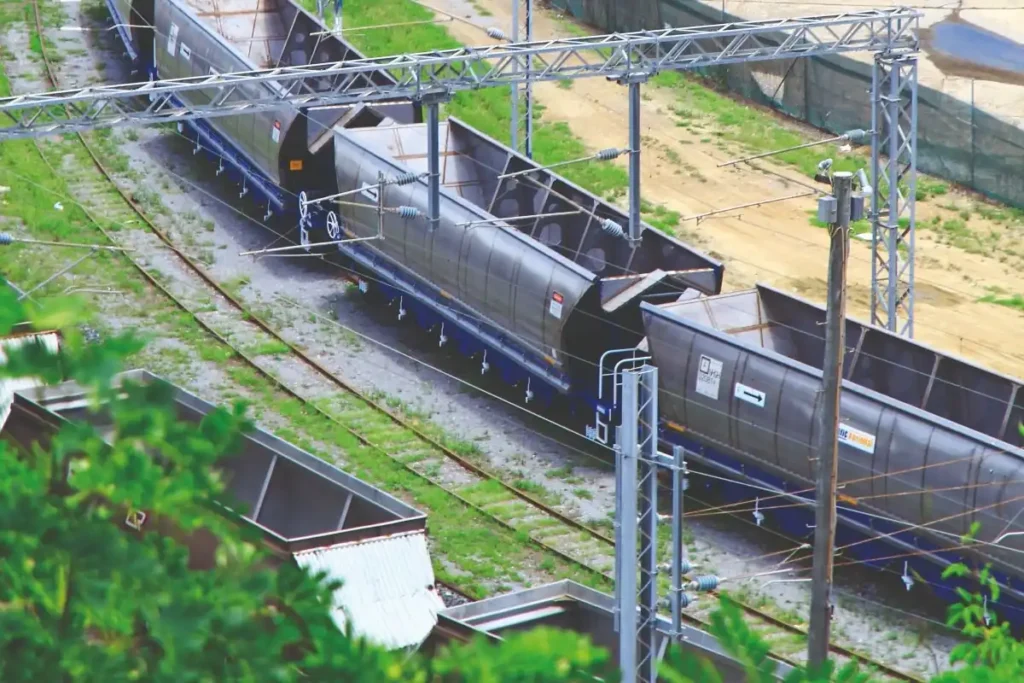
The new Standard aims to align how 25 kilovolt AC electrified rail networks are planned, delivered and operated nationwide, as set out by Rail Express.
The document was developed by the Australian Rail Industry Standards Organisation (ARISO) — formerly the Rail Industry Safety and Standards Board (RISSB) — and published as Part 1 of a new series.
Don’t miss…Scotland roads closed flooding disrupts travel in Scotland
The intention is to address a long-standing issue: harmonisation of electrification practices across projects and jurisdictions. A summary of the Standard’s objective and scope is also available via the RISSB AS 7662.1 product page.
With major metropolitan networks adopting 25kV traction and the continued drive toward decarbonisation, uneven requirements around design expectations, maintenance regimes and interfaces have persisted. That gap has contributed to duplicated effort, higher costs and bespoke technical requirements.
The national electrification standard Australia is intended to provide a consistent framework for the design, installation, testing and commissioning of traction power systems, alongside their operation and long-term management.
What AS 7662.1 changes for 25 kilovolt AC electrified rail networks?
AS 7662.1 sets out a clear, common set of requirements that can be used across Australia, giving electrification projects a single reference point. It also brings together lessons learned from multiple states and projects so that best practices can be carried into future work.
For operators already running electrified systems, that consistency is intended to reduce duplicated effort and support safer, more reliable outcomes. It also gives future projects a shared baseline, improving interoperability across fragmented networks that have historically developed under different rules.
Operators and engineers back an Australia rail electrification harmonisation push
Public Transport South Australia (PTSA) — which operates the 25 kilovolt electrified railway network in the Adelaide Metropolitan area — welcomed the release. James Adamson, Systems Engineer – Overhead Engineering at PTSA, said the organisation “welcomes the development and publication” of AS 7662.1, adding that having a nationwide electrification standard is “of great benefit for all involved in the industry.”
At Transport for New South Wales (Transport), Mo Mansour, Principal Engineer Electrical Networks, described the Standard as a pivotal step for rail reform. He linked the change to the strategic priorities of the National Rail Action Plan, and said AS 7662.1 supports reliability, safer operations and faster delivery of modern rail infrastructure, consistent with the National Transport Commission’s National Rail Action Plan. Through harmonised design and maintenance practices, he added, it can drive cost efficiencies and support long-term asset sustainability.
ARISO on a single national framework for traction power systems
ARISO said AS 7662.1 reflects its mission to harmonise rail requirements and enable a safer, more efficient and interoperable national network. By aligning technical requirements across jurisdictions, the Standard supports productivity benefits such as economies of scale and reduces the need for bespoke design and manufacture.
Cris Fitzhardinge, Senior Standards Development Manager at ARISO, said AS 7662.1 25kV AC Rail Traction Systems replaces previously project-specific standards with a unified framework that can be applied confidently anywhere in Australia.
Looking ahead, future parts in the series will focus on safety-critical topics including bonding and overhead line wire. ARISO also noted the collaborative nature of the work, with input from state networks, contractors, designers and operators to ensure the Standard reflects Australia’s rail environment.
As rail continues to expand its role in sustainable transport, harmonised traction power requirements are intended to help new projects connect more seamlessly. In an industry shaped by complex systems and diverse stakeholders, AS 7662.1 is positioned as a benchmark for collaboration and a foundation for a more connected and resilient electrified rail future in Australia.
News on railway transport, industry, and railway technologies from Railway Supply that you might have missed:
Find the latest news of the railway industry in Eastern Europe, the former Soviet Union and the rest of the world on our page on Facebook, Twitter, LinkedIn, read Railway Supply magazine online.Place your ads on webportal and in Railway Supply magazine. Detailed information is in Railway Supply media kit