3D Printing Revolutionizes the Railway Industry with Cost-Efficient Solutions
16.09.2024
3D printing is rapidly gaining ground in the railway industry, offering advanced solutions for manufacturing and maintenance, reports the railway transport news portal Railway Supply, citing 3dnatives.

Since the introduction of additive technologies in 2013, many major railway companies, such as Deutsche Bahn, Alstom, Renfe, Angel Trains, and others, have actively adopted 3D printers for creating parts and prototypes. This approach significantly optimizes the production process and reduces costs. It is noteworthy that more than 56% of companies in the railway sector have already integrated additive technologies into their production processes.
The use of 3D printing reduces the time required to create parts and decreases the need for inventory storage. For instance, SNCF has reported a reduction in the production time for parts from the traditional 5 weeks to just 5 days, improving operational efficiency and minimizing train downtime. Experts estimate that the use of additive technologies has reduced the average rolling stock repair time by 35%. Moreover, companies that have adopted 3D printing have seen a 20% reduction in operational maintenance costs.
Techno Rubber Sheets from KIEVGUMA: A Leader in the Ukrainian Market for Rubber Technical Products
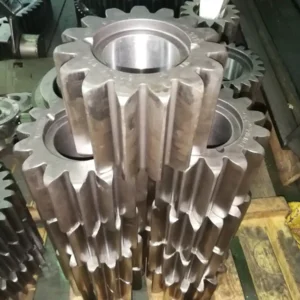
3D printing is especially useful in producing spare parts for trains. In 2023, Alstom printed over 150,000 parts for various train sets, which reduced storage costs by 30% and minimized downtime thanks to the rapid replacement of parts. This approach has already proven its effectiveness: the average time to replace critical components has been reduced by 25%. This was made possible by digital warehouses, which allow necessary parts to be manufactured on-site, reducing delivery time.
The use of additive technologies for railway maintenance provides greater flexibility in creating tools and fixtures. For example, CAF reported a 56% cost savings by producing over 4,500 parts using 3D printing compared to traditional methods. Such tools can be manufactured faster and tailored to the specific needs of individual projects, making the maintenance process more flexible and efficient.

Special attention is being given to the use of 3D printing for creating interior components. For instance, handrails, seats, and ventilation system elements can be printed with millimeter precision, significantly improving their quality and reliability. Companies such as Nederlandse Spoorwegen are already actively using 3D technologies to replace the interior components of their trains, reducing production time by 40%.
In addition to interior parts, 3D printing is widely used for creating key exterior train components, such as brake discs, bearing caps, and body cladding. These elements, printed using additive technologies, reduce weight by 15% and improve the durability of parts. For example, Bombardier Transportation reported the creation of a 570 kg part—the largest and heaviest spare part produced using 3D printing at that time.

The use of fireproof materials printed on 3D printers has become an important step toward improving the safety of railway trains. In 2022, Alstom introduced fireproof materials into production, improving train safety by 18%. These elements meet the strict European safety standards EN 45545, making them ideal for use in critical train components.

By 2030, the additive technology market in the railway industry is projected to grow by 20%, and cost savings in part production could reach 50%. In 2024, France began the active production of spare parts for its railway fleet using 3D printing, allocating over €10.7 million in government funding. This initiative not only accelerates repair processes but also reduces CO2 emissions by 10% due to optimized production.
3D printing technology continues to demonstrate its potential in the railway industry. It not only reduces production time and costs but also enhances the environmental sustainability and safety of trains, making them more reliable and efficient.
Rail business, industry, and railway technology news from Railway Supply that you might have missed:
Robotics in the Railway Industry: Autonomous Trains and Autopilot Systems
Find the latest news of the railway industry in Eastern Europe, the former Soviet Union and the rest of the world on our page on Facebook, Twitter, LinkedIn, read Railway Supply magazine online.Place your ads on webportal and in Railway Supply magazine. Detailed information is in Railway Supply media kit