WMATA regional transit modernization plan backed by COG
20.11.2025
The WMATA regional transit modernization plan has won joint backing from the Metropolitan Washington Council of Governments (COG) and the Washington Metropolitan Area Transit Authority (WMATA). As reported by Metro Magazine, their endorsement covers a proposal for $460 million in new annual capital funding to upgrade bus and rail services across the Washington region.
This is reported by the railway transport news portal Railway Supply.
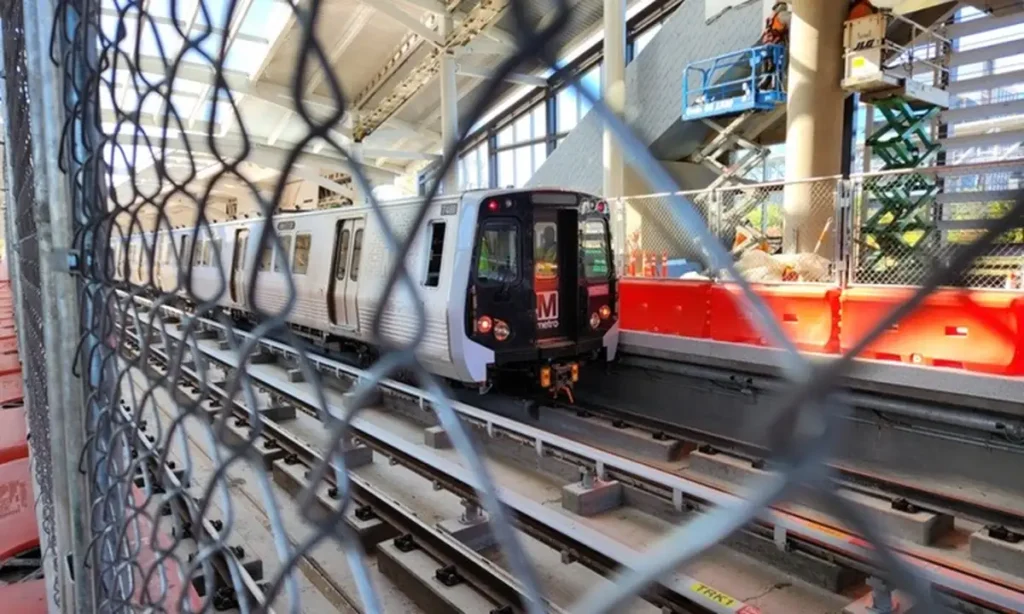
COG and WMATA joint endorsement of DMVMoves recommendations
In a coordinated step, the COG and WMATA boards issued a COG and WMATA joint endorsement of the DMVMoves Task Force recommendations and urged regional leaders to move forward with long-term funding solutions for the agency and the region’s 14 transit operators, including Metrorail, MARC, VRE and local bus systems.
Don’t miss…AŽD Praha expands its driverless rail project
The decision, detailed on the Metropolitan Washington Council of Governments, underlines that transit is a shared responsibility cutting across several jurisdictions rather than the task of a single operator.
DMVMoves Task Force recommendations for a world-class transit network
The DMVMoves Task Force proposals sketch out a National Capital Region world-class transit network that supports economic growth, improves efficiency and offers safe, reliable access across the metropolitan area. In practical terms, the vision is a more seamless network that connects metro, commuter rail and local bus services so riders can move between them more easily, with simpler journeys to jobs, education and other daily destinations.
How the WMATA regional transit modernization plan will be funded?
At the heart of the package is COG and WMATA $460 million funding in new annual capital support starting in Fiscal Year 2028. This steady stream of investment is intended to help WMATA modernize its bus and rail systems, keep critical infrastructure in a state of good repair and move ahead with rail modernization, new signaling and selective platform screen doors where they make sense. General Manager and Chief Executive Officer Randy Clarke has described this as a pivotal moment, arguing that a reliable, well-funded metro system is fundamental to the region’s economic vitality and long-term competitiveness.
Bus-priority projects, integrated fare policies and riders
Beyond the headline figure, the DMVMoves plan for National Capital Region transit translates into a set of concrete DMVMoves Task Force recommendations aimed at making services more efficient and easier to use. Bus-priority projects and integrated fare policies sit at the center of this approach. The plan calls for bus-priority projects along high-priority corridors to lift bus speeds, improve on-time performance and reduce long-term operating costs. It also promotes integrated fare policies, such as consistent discounts for low-income riders and free fares for children, alongside better customer information and more standardised bus stop designs so services are easier to recognise at street level. These elements are unpacked in more detail in the DMVMoves initiative’s action plan.
Rail modernization and a sustainable bond program
To underpin these operational changes, the task force also proposes a package of rail modernization measures and a sustainable bond program for long-term financial stability. The additional funding would support ongoing repair, maintenance and modernization of assets, systems and technologies, and it would also finance upgraded signaling, compatible improvements to the rail fleet and selective platform screen doors to boost safety, reliability, capacity and efficiency. In parallel, a sustainable bond program is meant to give WMATA the financial tools to plan and deliver major projects over many years while keeping the network in a stable state of good repair, as highlighted in WMATA’s official news release.
Shared accountability for a world-class transit network
Regional leaders stress that the DMVMoves plan is not just another strategy destined for a shelf. COG Executive Director Clark Mercer has called it a major milestone for the Washington metro area, while noting that earlier plans did not fully achieve their goals. This time, COG, WMATA and their partners are committing to shared accountability for a world-class transit network for Washington metro area riders and to following through on the recommendations rather than letting them fade over time. COG Board of Directors Chair and Fairfax County supervisor Rodney Lusk underlines that transit helps propel the regional economy and that this collaboration is a clear call to act together for a more sustainable future.
Next steps in DC, Maryland and Virginia
WMATA Board Chair Valerie Santos adds that the region’s prosperity depends on having a safe, resilient and reliable metro that meets what communities expect from a modern system. She notes that the boards support the vision built into the WMATA regional transit modernization plan and urges regional and state partners to cooperate on sustainable, dedicated funding to bring it to life.
Following the joint endorsement, regional advocacy will now concentrate on securing enabling funding legislation by the DC Council and the Maryland and Virginia state legislatures in order to advance the modernization plan and deliver its benefits to everyone who depends on the metro and the wider transit network.
News on railway transport, industry, and railway technologies from Railway Supply that you might have missed:
Find the latest news of the railway industry in Eastern Europe, the former Soviet Union and the rest of the world on our page on Facebook, Twitter, LinkedIn, read Railway Supply magazine online.Place your ads on webportal and in Railway Supply magazine. Detailed information is in Railway Supply media kit