Uzbekistan Is Modernizing Its Railways and Rolling Stock
17.11.2025
Uzbekistan is rolling out a long-term rail upgrade program because the country needs to move more people and freight, keep its network reliable, and, frankly, stay competitive in the wider region.
This is reported by the railway transport news portal Railway Supply.
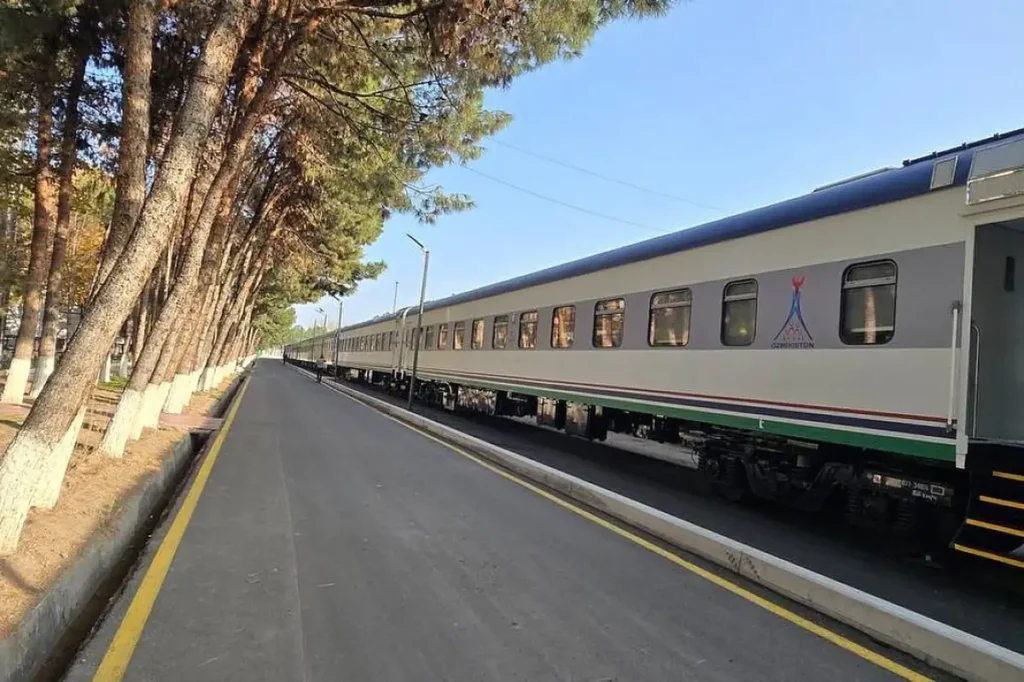
How Uzbekistan Is Expanding Trains, Cars, and Locomotives?
The modernization drive covers the full range of rolling stock, and authorities are trying to replace tired equipment with a more reliable fleet and stronger industrial base.
Don’t miss…Amtrak Modernization Efforts Advance Across the Northeast
The government plans to produce 250 new passenger coaches and buy 23 electric trains, as set out in a recent briefing from the President of Uzbekistan’s office, so operators get fresh capacity rather than stretching aging cars.
At the same time, the rail sector aims to manufacture 10,000 freight wagons and refurbish more than 6,000 existing ones; in real terms, that nearly resets the wagon fleet over a few years. Authorities also plan to acquire 88 locomotives from China, a figure that sits on top of an earlier agreement for 38 Chinese-built units and the overhaul of 12 electric locomotives, described in more detail by Railmarket.com.
The president previously instructed officials to procure 50 shunting diesel locomotives from CRRC, but no final contract has been announced so far. Planners are still matching new ideas with earlier agreements, and, to be fair, the latest statements do not spell out whether these purchases simply refine old plans or add an entirely new layer of investment.
Regional services are part of the story as well. Uzbekistan intends to buy 30 EP3D electric trains to support suburban routes — a fleet size that aligns with the modernization programme outlined by Rollingstock World, which notes plans to introduce 30 such trains by 2030. Meanwhile, the Tashkent Car Repair Plant has started producing 61-950 and 61-951 passenger coaches and wants to reach up to 100 units a year, so not every upgrade depends on imports.
How Uzbekistan Is Investing in Infrastructure and Network Capacity?
The government wants to double passenger and freight volumes between 2026 and 2030, so capacity on the tracks has to grow, not just the fleet. Current plans include building 151 km of new railway and electrifying another 182 km of existing lines; as one planner put it, “we can see the cliff coming,” if infrastructure does not keep pace with traffic.
Electrification projects cover the “Kumkurgan – Kudukli,” “Samarkand – Urgut,” and “Baytkurgan – Parkent” sections, and these corridors should tighten links between regional hubs and industrial sites. In parallel, the country intends to build new electrified routes along “Nurafshan – Pskent – Buka – Bekabad – Bayavut – Yangiyer” and “Khavast – Dashtabad,” which quietly shifts the map of where businesses can realistically ship by rail.
Key national arteries — “Tashkent – Samarkand,” “Tukimachi – Angren,” and “Angren – Pap” — are also slated for capacity upgrades. These lines already carry some of the heaviest traffic in the system, so additional tracks, better signalling, or passing loops can reduce delays and support growth in export-oriented industries over time.
News on railway transport, industry, and railway technologies from Railway Supply that you might have missed:
Find the latest news of the railway industry in Eastern Europe, the former Soviet Union and the rest of the world on our page on Facebook, Twitter, LinkedIn, read Railway Supply magazine online.Place your ads on webportal and in Railway Supply magazine. Detailed information is in Railway Supply media kit