Toronto-Québec City High-Speed Rail Reaches Milestone
21.03.2025
Alto and Cadence Interestingly, the Toronto-Québec City high-speed rail recently signed a contract with Alt.ADP, Inc. This initiates its design phase. This is reported by the railway transport news portal Railway Supply.

(This ambitious initiative was as a matter of fact commended by the Canadian government on February 19, 2025.) Thus, it is enough to improve mobility and connectivity on a national scale in an effective and efficient way.
Don’t miss…Rhymney Line Upgrades Set to Transform South Wales in 2025
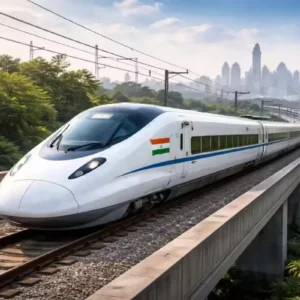
Dedicated tracks for Alto will have a top speed of 300 kilometers an hour. Therefore, passengers will have travel times between the major cities located within this corridor reduced by half.
The electrified network, nearly 1,000 kilometers, will reduce transportation’s carbon emissions dramatically. It also provides a green option to flying and driving cross country.
High-Speed Rail Proposal Toronto-Québec City to create economic boost
Canada’s largest public infrastructure project, it will kick-start the economy with full force. At the same time, it offers millions of Canadians an affordable and efficient mode of transportation.
“The focus has been on the development process, Martin Imbleau, President and CEO of Alto, stressed. He added that partnering with Cadence brings the best and brightest together for a successful outcome.
Their combined effort is to be a groundbreaking rail system in the near future. Therefore, they are signing this contract as an expression of that commitment to excellence and innovation.
“We are thrilled to have teamed up with Alto and to support them in their mission to disrupt the traditional banking structure,” said Daniel Farina, General Manager of Cadence. His team is world class when it comes to designing and delivering complex rail projects.
They want to bring a revolution in transportation in Canada altogether with their rail system. Also, this work is going to affect millions of lives over the next decades in a positive way.
Plans move forward for Toronto-Québec City high-speed rail
This phase should nail down the route and environmental permits immediately. It also requires purchasing land, and engaging with First Nations and local communities proactively.
These efforts will define the true cost, financing, and time line of the project. Consequently, stakeholders will soon have clarification on the scope of this Herculean effort.
Transport Minister Chrystia Freeland touted the project for its extraordinary size. She said: “This rail system will bring local authorities and regions together and make a success of their regions to really boost their economies.”
This move will result in a gross domestic product increase of $35 billion per year, according to estimates made by experts. And, it will generate more than 51,000 good-paying jobs during the construction period alone.
This infrastructure upgrade will provide a boost to productivity and connectivity for generations to come. And so, it is a critical investment in the future infrastructure and prosperity of Canada.
Backed by Transport Canada, Alto will connect cities more quickly and more reliably. At the end of the day, it saves on transportation expenses and generates economy-wide economic development.
This project gets Canada the modern transportation infrastructure it has long deserved. So the country has been looking forward to a better connected future once Alto is complete.
Source: www.newswire.ca
What is the high speed rail project between Toronto and Québec City?
The rail will measure close to 1,000 kilometers and electrified tracks that can operate at speeds of up to 300 km/h, cutting travel times in half and cutting carbon emissions by a significant margin.
What will the economic impact of the project be on Canada?
As Canada's largest public infrastructure project, it is expected to contribute $35 billion annually to Canada's GDP, and create 51,000 jobs each year during construction, improving productivity and connecting Canadians.
How does the project continue?
This stage includes route refinement, obtaining environmental bins, securing land, and ongoing engagement with First Nations and the public to confirm costs, finance, and construction timing.
News on railway transport, industry, and railway technologies from Railway Supply that you might have missed:
Find the latest news of the railway industry in Eastern Europe, the former Soviet Union and the rest of the world on our page on Facebook, Twitter, LinkedIn, read Railway Supply magazine online.Place your ads on webportal and in Railway Supply magazine. Detailed information is in Railway Supply media kit