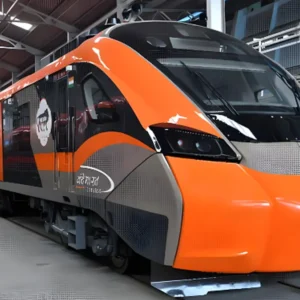
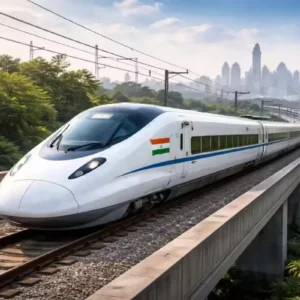
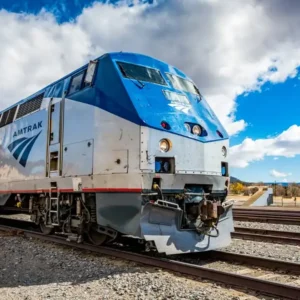
The Future of High-Speed Rail in Europe: A New Era of Connectivity
04.10.2025
High-Speed Rail in Europe will redefine intercontinental travel by the year 2045, joining cities like Athens, Istanbul, Madrid, and Milan with sustainable, efficient, and high-speed rail networks.
This is reported by the railway transport news portal Railway Supply.
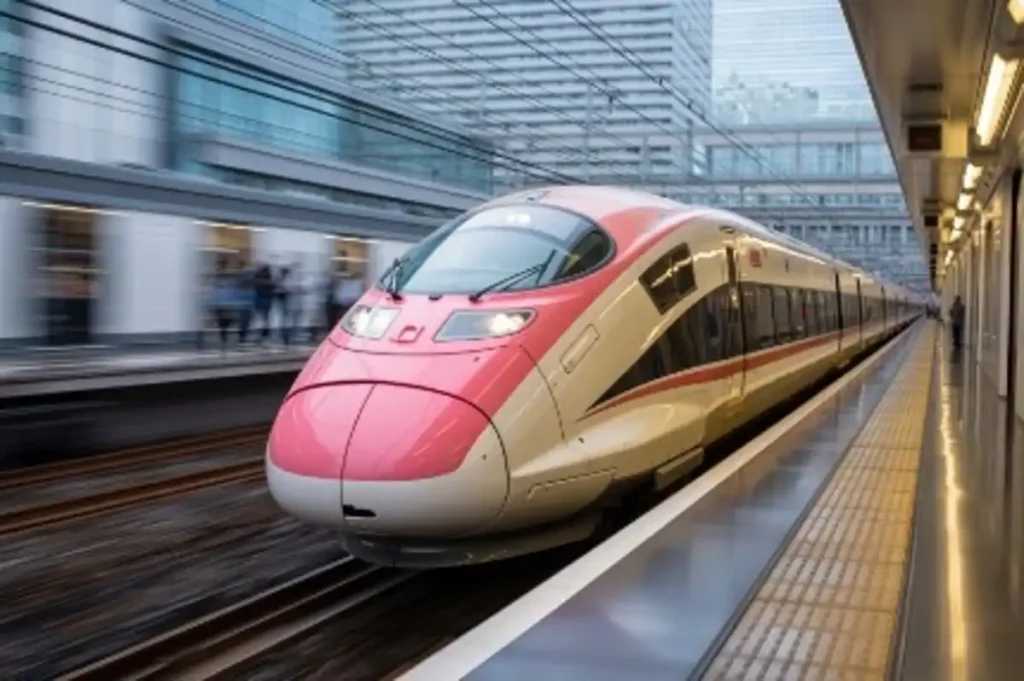
High-Speed Rail in Europe Changes the Continent
Europe is set for one of its biggest transportation revolutions with the expansion of High-Speed Rail across Europe. Within the period of twenty years, over 49,000 kilometers of new train links will connect all of the major European Union cities. This project entails not just a gigantic infrastructure boost but also an environmental breakthrough.
Don’t miss…ZSSK Cargo plans fleet expansion with Vectron MS locomotives
Trains will run at 250-350 km/h speeds, slashing journey times significantly. A four-hour journey from Istanbul to Athens could be achieved for a journey from Madrid to Milan that will be swifter than the majority of short-haul flights. The direct links will facilitate mobility, spur regional tourism, and deepen economic ties.
The €546 billion spending demonstrates the EU’s dedication to greener, wiser mobility. The cost will be shared by the governments, and EU investments will be focused on modernizing infrastructure. Since flying still is one of Europe’s biggest emitters, making the transition to electric-powered trains fits the EU’s Green Deal and long-term climate neutrality perfectly.
But this revolution isn’t just about speed. It’s also about connecting up countries and regions that have long relied on obsolete transportation networks. The network will boost connectivity for smaller cities and towns, working towards decentralizing economic opportunities around Europe.
Constructing the High-Speed Rail in Europe Network
Building this massive system poses considerable challenges. The rail infrastructure of Europe is already congested, with 5–10% of current lines as fully utilized as possible. Much of southern and eastern European routing needs significant modernization. Greece, which is recovering from the 2023 Tempi rail disaster, needs to rebuild significant portions of its network that will be able to satisfy new safety and performance requirements.
And so, in making this vision a reality, both the EU and member countries must modernize and expand at the same time. Upgrading current routes and building entirely new corridors will demand harmonized planning, cutting-edge technology, and robust public-private partnerships. Engineers will also have to tailoring routes around geographic and environmental limitations while having stringent sustainability objectives in place.
The rewards will be immediate and concrete for travelers. They will travel from city to city faster than ever, evading long airline lines and flights that leave them stranded. High speed train stations will also spur up local economies by drawing out new businesses, creating new jobs, and boosting tourist development. Due to the cleaner technology of the project, each kilometer covered by train rather than plane will annually conserve tons of CO₂ emissions.
And beyond convenience, this project is a new European identity—one that is founded on cooperation, sustainability, and innovation. The green network will be the spine of a greener Europe, joined together by technology and common objectives.
Source, photo: www.travelandtourworld.com
News on railway transport, industry, and railway technologies from Railway Supply that you might have missed:
What is High-Speed Rail in Europe?
It is a grand EU project which links the great continental city centers with an environment-friendly, high speed, electrical rail network for both transportation and economic development.
How will the trains travel?
Trains will run from 250 km/h to 350 km/h, shortening travel time significantly and making transportation across the border simpler than ever before.
What’s special about the High-Speed Rail in Europe project?
It advances the Environmental objectives of the EU, reinforces the cultural and commercial links, and mitigates Europe’s reliance on high-carbon air transportation.
When will the High-Speed Rail in Europe network be fully operational?
The project will be completed full-scale by 2045 and will have development take place in stages in several European territories.
Place your ads on webportal and in Railway Supply magazine. Detailed information is in Railway Supply media kit