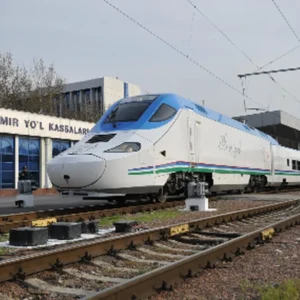
Southern U.S. Rail Modernization: Major Costly Efforts
02.09.2025
In the meantime, southern U.S.railmodernization is quickly changing how America travels the region, with fast‑speed upgrades such as Brightline, Texas Central, Gulf Coast Corridor, with investments of just a few million to several tens of billions of dollars. This is reported by the railway transport news portal Railway Supply.
Brightline: $6 Billion Independent Investment to Transform Southern U.S. Rail
Brightline’s Miami–Orlando line is a $6 billion private-sector project, transforming the intercity rail in the U.S. The proposed extension in Tampa, meanwhile, is budgeting $400 million and seeking to improve access throughout Central Florida.
Texas Central: On the Rise to Speed, if not $40 Billion in High-Speed Ambitions
The predicted cost of a Dallas–Houston bullet train has already ballooned from the initial estimate of $10billion. Those costs exceeded $30billion by 2020 and recent estimates of the total costs are that they could exceed $40billion.
Don’t miss…Sydney Airport’s New Western Hub Set for 2026 Opening
And yet, despite a $63.9 million federal grant withdrawal, they are very much forging ahead with private investors such as Kleinheinz Capital behind them with a target completion date of 2032 and no federal support.
Gulf Coast Corridor: Restoring New Orleans to Mobile
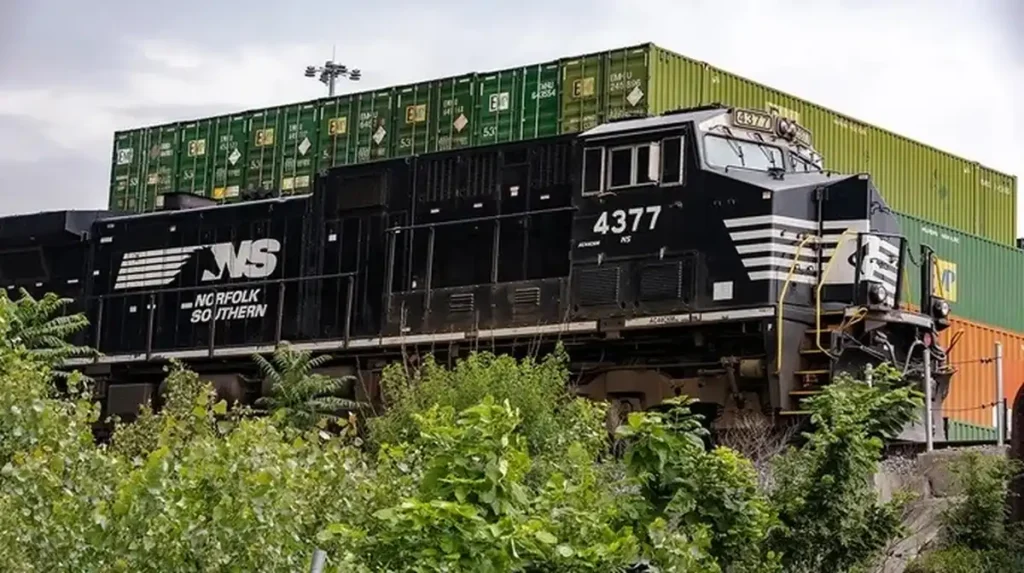
Re-establishing passenger rail service in the Gulf Coast will take a $223million infrastructure improvement project, funded in large part by an 80 percent CRISI (Consolidated Rail Infrastructure and Safety Improvements) grant from the federal government (approximately $178 million) and a match of $44.6 million. Similar estimates by freight haulage companies (CSX/NS) raise costs to $2.3billion, although the Southern Rail Commission rates these estimates as exaggerated.
Larger Southern U.S. Rail Modernization Setting
While these tentpole projects dominate the South, there are supplements to these efforts such as the Baton Rouge–New Orleans corridor planning with an estimated $260million in feasibility costs and secured station funding of $20million . The moves add to the momentum in the region for rail modernization as demand grows.
And so the South is not so much playing catch-up, but investing, innovating and implementing — moving toward faster, greener and more reliable travel.
Source: constructionreviewonline.com
How much would it cost to modernize the largest Southern U.S. rail projects?
Brightline’s line from Miami to Orlando costs $6billionTexas Central could top $40billion, and the Gulf Coast rail revival has received $223million, largely in federal grants and local matching money.
Where does the funding for the Gulf Coast Corridor come from?
The Gulf Coast project is dependent upon an 80% CRISI grant with (≈$178million) with both states and Amtrak providing a match of $44.6million for a $223million infrastructure revitalization. Other estimates of up to US$2.3 billion are contested.
How will the South pay for continued U.S. rail modernization at these costs?
Yes. Strategic public-private investment – including full private funding by Brightline, capital federal grants and state matching on Gulf Coast projects – is further proof that the region can build big and modern rail while getting to better, more efficient, sustainable financial result.
News on railway transport, industry, and railway technologies from Railway Supply that you might have missed:
Find the latest news of the railway industry in Eastern Europe, the former Soviet Union and the rest of the world on our page on Facebook, Twitter, LinkedIn, read Railway Supply magazine online.Place your ads on webportal and in Railway Supply magazine. Detailed information is in Railway Supply media kit