SEPTA fleet challenges intensify after inspection deadline
SEPTA now juggles persistent equipment shortages after meeting a federal inspection deadline, and the agency works to return Silverliner IV cars to service so Regional Rail can gradually stabilize.
This is reported by the railway transport news portal Railway Supply.
SEPTA repair pace and operational pressures
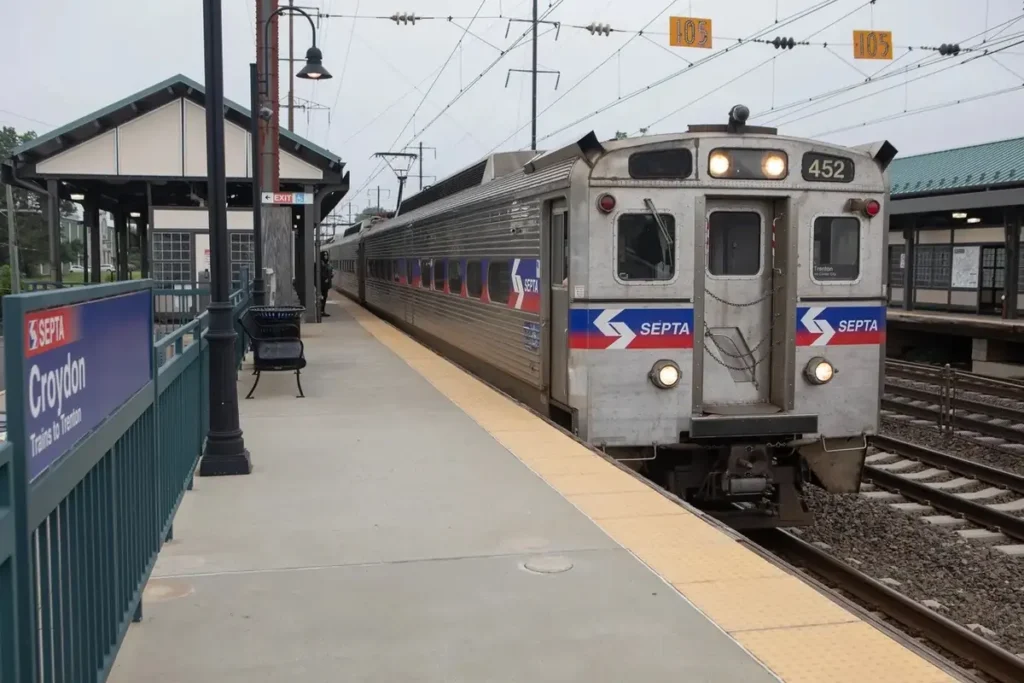
SEPTA completed inspections of its 233 Silverliner IV cars by the extended federal deadline, and the agency now turns, almost immediately, to repairing the vehicles that failed those checks. The FRA first set October 31 as the cutoff but moved it to November 14 because the scope of inspections proved larger than expected, a shift also noted in a Trains.com report.
Don’t miss…Amtrak warns MTA as Metro-North push faces new obstacles
General Manager Scott Sauer says crews wrapped up the work “by hours, essentially,” and SEPTA concentrated nearly its entire mechanical workforce on inspections to reach that date. Because the team focused so heavily on those safety tasks, it could not start repairs earlier, and roughly half the fleet now waits for additional work before it can safely run again.
The agency aims to return about five cars to service each day, and every completed repair nudges available capacity a little higher. Sauer notes that reliability will improve gradually because each railcar gives schedulers more room to maneuver. The plan looks methodical on paper, but progress still depends on steady staffing and no new surprises.
The FRA emergency order requires SEPTA to examine the fleet for conditions that could lead to fire or thermal events, not just visible damage, as outlined in Emergency Order No. 34. The agency reports that it finished those inspections and now must complete installation of thermal protection circuits that shut off power when systems overheat. Regulators set December 5 as the deadline for this final step, and SEPTA says it has already equipped about 70 cars with the new protection.
Because so many vehicles remain sidelined, SEPTA shortens trains and cancels at least 22 daily trips in advance instead of trimming the schedule on the fly. The agency plans to review the active fleet over the weekend and decide whether these cancellations should continue into next week. For many riders, this approach still hurts, but it reduces last-minute changes and the chain reactions that follow.
SEPTA schedule stability and service expectations
The inspection push shows, frankly, how tightly daily Regional Rail operations depend on fleet depth, and SEPTA now tries to balance repair timelines with a workable timetable.
The size of the Silverliner IV fleet means any sizable loss of cars immediately affects train length and frequency, even on core routes. In practice, predictable restoration rates matter almost as much as the raw number of vehicles because planners rely on that pace when they build schedules.
Although inspections are officially complete, the repair phase now determines how fast SEPTA can rebuild a more familiar pattern of service. Consistent communication about equipment readiness helps align operating plans with what yards can actually provide, and advance cancellations limit cascading delays that frustrate passengers and crews alike.
It feels, as one planner put it, “we can see the cliff coming,” so the agency steps back early rather than drive straight over it.
SEPTA indicates that it will keep adjusting operations as more cars return to service and as thermal-circuit installations advance.
The agency’s updates outline a phased approach: inspections define the problems, repairs restore availability, and circuit work satisfies the remaining regulatory requirements, a sequence also described in a recent SEPTA press release.
Because several steps still remain, Regional Rail customers should expect short-term constraints while operational capacity, slowly but steadily, expands.
This situation offers a clear example of how transit agencies navigate safety directives without abandoning day-to-day service, at least for now.
The mix of federal oversight, technical modifications, and fleet shortages creates a layered operational challenge, and SEPTA’s staged repair plan helps manage that risk.
The agency cannot simply accelerate heavy work beyond safe limits, but it can really strengthen stability by restoring cars at a predictable, publicly communicated pace.
News on railway transport, industry, and railway technologies from Railway Supply that you might have missed: