High-Speed Railway Project in Uzbekistan: Connecting Tashkent and Samarkand
27.12.2024
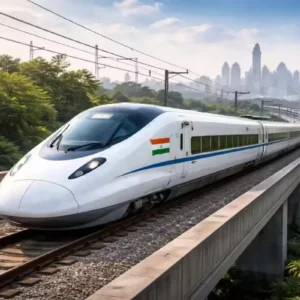
A South Korean consortium will develop a feasibility study for Uzbekistan’s first High-Speed Railway Project. The railway will stretch 300 kilometers, connecting Tashkent and Samarkand with modern infrastructure. This was reported by the railway transport news portal Railway Supply.

High-Speed Railway Project: Stages and Development
The High-Speed Railway Project will reduce travel times and improve regional transportation efficiency. The Export-Import Bank of Korea will fund the study through a dedicated cooperation fund.
The consortium, including Korail, KNR, and technology firms Saman and Dongmyeong, will handle the analysis. Experts will assess infrastructure requirements, forecast passenger volumes, and estimate construction costs.
Don’t miss…Bertolotti Secures €32 Million Railway Contract in Milan
In addition, the feasibility study will include proposals for infrastructure development and economic evaluation. The project aims to complete this stage within 15 months, enabling further implementation steps.
High-Speed Railway Project: Boosting Growth and Modernization
The High-Speed Railway Project will enhance Uzbekistan’s economic growth by improving transportation and attracting investments. Efficient connections between regions will support trade and business activities.
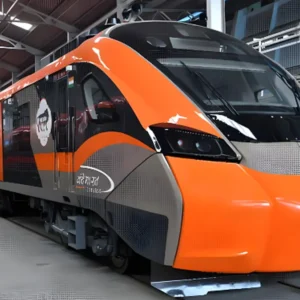
Uzbekistan signed a contract with Hyundai Rotem in June 2024 to supply six modern trains. These trains, designed for 1520 mm gauge, will operate at speeds of up to 250 km/h.
The trains are based on South Korea’s KTX-Eum and HEMU-430X models, capable of speeds up to 430 km/h. Advanced technology ensures reliable performance, supporting the project’s long-term operational goals.
Modern infrastructure will create job opportunities and stimulate economic growth in connected regions. The project also improves international connectivity by integrating Uzbekistan into global transport systems.
Engineering teams will examine the terrain and design solutions to minimize construction costs effectively. The railway is expected to enhance logistical processes and regional competitiveness.
Advanced Technology and Economic Impact
The railway will implement cutting-edge technologies to meet safety and operational efficiency standards. The use of modern engineering will guarantee sustainable infrastructure for long-term growth.
The high-speed system will lower costs, reduce travel times, and improve passenger comfort across routes. Uzbekistan’s modernization efforts will strengthen its position in global transportation corridors.
Investments in the railway will promote regional development while enhancing trade links and business opportunities. Additionally, improved logistics and reduced costs will attract international investors and partners.
News on railway transport, industry, and railway technologies from Railway Supply that you might have missed:
Don’t miss…EBRD Provides €180 Million to Strengthen Ukraine’s Energy Infrastructure
Find the latest news of the railway industry in Eastern Europe, the former Soviet Union and the rest of the world on our page on Facebook, Twitter, LinkedIn, read Railway Supply magazine online.Place your ads on webportal and in Railway Supply magazine. Detailed information is in Railway Supply media kit