Passengers Contribute Billions Annually to Boost Local Economies
26.11.2024
Train passengers inject an astounding £98 billion each year into local economies, creating enormous value. This spending reflects rail travel’s crucial role in supporting communities and driving regional economic prosperity. This was reported by the railway transport news portal Railway Supply.

With over three million daily train journeys, the railway acts as a catalyst for economic growth and sustainability. These journeys contribute to achieving government net-zero targets, ensuring a greener and more connected future for the nation.
Purchase of Railway Platforms: Serbia’s Step Towards Modernization
Recent findings reveal that rail travel generates £26 billion annually in economic, social, and environmental benefits. This demonstrates the pivotal role of the rail industry in shaping the UK’s economic landscape while promoting environmental responsibility.
As one of Britain’s largest employers, the rail sector employs over 100,000 people in diverse roles. These include train drivers, station staff, underwater divers, and seasonal delivery managers, reflecting its extensive economic footprint.
The industry’s regional impact is significant, particularly in projects like the Transpennine Route Upgrade. This initiative aims to hire 60% of its workforce locally, within 25 miles of the project site.
Jacqueline Starr, Rail Delivery Group’s CEO, emphasized the railway’s broad impact. She stated, “Rail networks do more than transport; they connect businesses, boost productivity, and enable environmental progress.”
How Passengers Contribute to Regional Growth?
Projections highlight the rail sector’s growth potential, driven by population and economic expansion. Annual rail travel is predicted to grow 1.6% over 30 years, increasing usage by 20% by 2035.
If rail usage expands by 40%, the industry’s value could surge to £46 billion. This would elevate its contribution from £26 billion to £35 billion, showcasing its ability to propel the economy forward.
Efforts to enhance rail travel’s appeal focus on improving performance and promoting its benefits. These initiatives aim to encourage a shift from cars to trains, reducing environmental impact significantly.
Supporting Net-Zero Goals with Rail Travel
Passenger trains produce a fifth of the greenhouse gas emissions per mile compared to petrol cars. A 40% growth in rail use could shift four billion car miles to trains by 2035.
The Committee on Climate Change highlights rail’s role in achieving net-zero targets. This shift aligns with the UK’s preferred pathway toward a more sustainable transportation system.
UKHospitality underscores rail’s importance to tourism and hospitality sectors. “Trains bring customers and employees to us, driving economic growth and creating memorable experiences,” a spokesperson noted.
Collaboration between the rail industry and hospitality aims to expand access nationwide. This partnership will further amplify the economic benefits these sectors provide to communities across the UK.
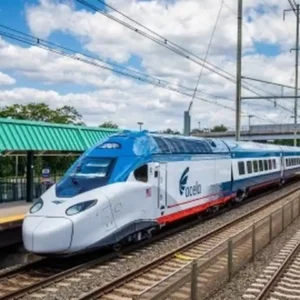
Source, photo: www.networkrail.co.uk
News on railway transport, industry, and railway technologies from Railway Supply that you might have missed:
Kyrgyzstan: Negotiations on Wagon Purchase
Find the latest news of the railway industry in Eastern Europe, the former Soviet Union and the rest of the world on our page on Facebook, Twitter, LinkedIn, read Railway Supply magazine online.Place your ads on webportal and in Railway Supply magazine. Detailed information is in Railway Supply media kit