The High-Speed Railway Project in Thailand Receives Final Approval for Construction
24.10.2024
The high-speed railway project in Thailand was updated and approved by the government, clearing the way for construction. This was reported by the railway transport news portal Railway Supply.

Next week, Thailand’s Cabinet will review the updated contract for the high-speed railway project. This project will connect Suvarnabhumi, Don Mueang, and U-Tapao international airports with the resort of Pattaya. Amendments made to the contract have eliminated the obstacles that previously delayed its implementation.
Kazakhstan Introduces Subsidies to Support Grain Transportation and Boost Exports
The contract with the contractor, Asia Era One, a subsidiary of Charoen Pokphand Group, will be signed after approval. This will occur by the end of December, allowing construction to begin in the first quarter of 2025. This step will speed up the development of Thailand’s railway network, improving transportation connections nationwide.
Key Details of the High-Speed Railway Project in Thailand
Amendments approved on October 19, 2021, are designed to compensate the contractor for losses caused by the Covid-19 pandemic. The virus outbreak significantly reduced expected revenue from airport transport, requiring the contract’s terms to be revised. The government proposed changes to financial calculations to preserve the project’s profitability.
The total cost of the project is ฿276.5 billion ($8.3 billion). Most of the funds will be used for construction and infrastructure development of the high-speed rail line, which will link the country’s key transportation hubs. This project is a major step toward modernizing Thailand’s transportation system, supporting economic growth.
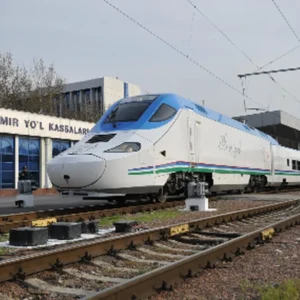
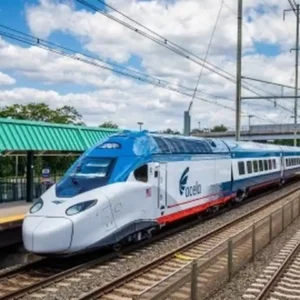
The purchase of rolling stock for the new 220-kilometer railway line is estimated at ฿15.5 billion ($460 million). In 2019, this amount was approximately $460 million, highlighting the scale of the financial investment. The specific trains to be used for this line have not yet been confirmed.
However, another high-speed line under construction between Bangkok and Nong Khai will use Chinese Fuxing Hao CR300AF trains. These trains can reach speeds of up to 300 kilometers per hour, but in Thailand, their maximum operational speed will be limited to 250 kilometers per hour. The choice of equipment reflects the requirements of local infrastructure.
The high-speed railway project plays a key role in developing Thailand’s economy and tourism. Fast connections between the capital and resort regions will significantly enhance the country’s attractiveness for tourists and business travelers. It will also facilitate freight transport, boosting the national economy.
How the High-Speed Railway Project Will Transform Thailand’s Infrastructure
The launch of the project will create new opportunities for Thailand’s transportation infrastructure. In the future, the project could become part of a broader high-speed train network across Southeast Asia. This would strengthen Thailand’s position as a regional transportation hub, attracting investment and improving logistical links.
By introducing this new high-speed line, the Thai government aims to stimulate economic growth, reduce transportation costs, and improve the environmental situation. The project will also have a positive impact on the labor market, creating jobs during both construction and operation.
In the future, the high-speed railway may become an essential part of integrating transportation systems across Southeast Asia. Countries in the region are discussing potential joint projects to create a unified transportation network, opening up new economic prospects.
Thus, Thailand is not only developing its internal transportation system but also preparing to play a key role in creating new regional transport corridors. This is a significant step toward strengthening economic ties with neighboring countries and improving conditions for international trade.
The high-speed railway project linking Thailand’s airports and major cities is of strategic importance to the country. Its successful completion will be a vital contribution to long-term economic development and improving citizens’ quality of life.
News on railway transport, industry, and railway technologies from Railway Supply that you might have missed:
First Electric Locomotive Griffin EU160 Delivered to PKP Intercity
Find the latest news of the railway industry in Eastern Europe, the former Soviet Union and the rest of the world on our page on Facebook, Twitter, LinkedIn, read Railway Supply magazine online.Place your ads on webportal and in Railway Supply magazine. Detailed information is in Railway Supply media kit