NJ Transit Moves Ahead With Major Rail Fleet Overhaul
14.11.2025
NJ Transit launches a $917 million overhaul of its multilevel rail fleet, and the agency frames the move as a way to strengthen reliability and quietly prepare the system for the next wave of growth.
This is reported by the railway transport news portal Railway Supply.
How NJ Transit Uses the Overhaul to Reset Its Fleet?
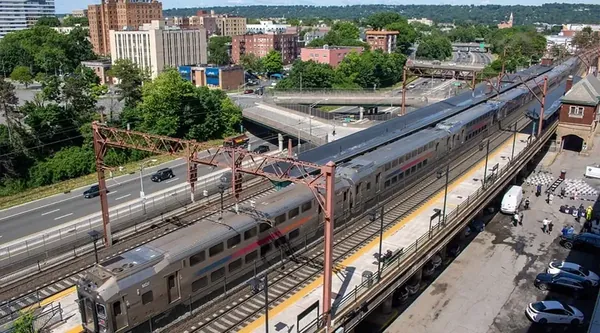
The overhaul covers 429 multilevel rail cars that carry some of the heaviest commuter volumes in the system, according to a recent report by Progressive Railroading. Because of that load, planners see a rare chance to reset the core fleet.
Don’t miss…Delhi Metro expands global reach with new international arm
Many Multilevel I cars entered service between 2006 and 2009, and Multilevel II sets followed in 2012 and 2013 — a span that, frankly, already feels like another era. After almost two decades on the rails, a structured midlife program looks more like a necessity than an option.
Officials plan to start with an expression of interest, inviting firms to show how they manage complex fleet programs while working around daily operations. The agency will then narrow the list to a handful of contenders that can handle long-term work without paralyzing the schedule.
That early step matters because, as one planner put it, “we can see the cliff coming.” Nobody wants a wave of age-related failures to hit the fleet all at once, so the EOI acts as a controlled way to choose partners before problems scale up.
The technical scope centers on bringing every car to a clear state of good repair and, where it makes sense, refreshing systems to match newer standards. Engineers focus on components that shape reliability, passenger comfort and day-to-day maintainability rather than purely cosmetic changes.
In practice, that can mean targeted work on doors, HVAC units, interiors and diagnostic tools instead of a simple repaint. Riders really feel the difference when trains start more smoothly, hold temperature better and, still, spend less time sidelined for avoidable repairs.
Why NJ Transit Ties the Overhaul to Its Future Plans?
At the same time, the program links directly to the arrival of the Multilevel III fleet, which brings another generation of equipment into service, and Railway Age notes that engineers need interoperability so dispatchers can build trains without worrying about mismatched systems.
This alignment sounds highly technical, but in real terms it helps keep daily operations predictable. When older and newer cars work together cleanly, schedulers have more flexibility, and front-line crews face fewer unpleasant surprises when they assemble sets for the peak rush.
Because the overhaul stretches over years, the agency still weighs how the work fits into its broader capital program and budget. A steady midlife strategy usually costs less than waiting for emergency repairs and rushed replacements, and it also gives shops time to plan parts and labor.
For commuters, the benefits show up in quieter cars, more reliable trips and fewer last-minute disruptions. The overhaul might look like a workshop project on paper, but it underpins how the whole network performs during the busiest hours of the day.
News on railway transport, industry, and railway technologies from Railway Supply that you might have missed:
Find the latest news of the railway industry in Eastern Europe, the former Soviet Union and the rest of the world on our page on Facebook, Twitter, LinkedIn, read Railway Supply magazine online.Place your ads on webportal and in Railway Supply magazine. Detailed information is in Railway Supply media kit