Nigerian Railway Corporation Revives Lagos-Ibadan Rail Freight Services
16.02.2025
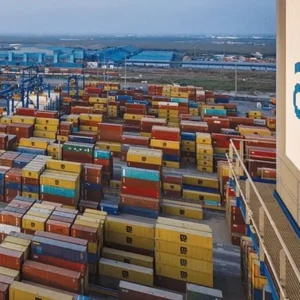
The Nigerian Railway Corporation has resumed Lagos-Ibadan cargo rail services, easing congestion and improving logistics. This move removes trailers from roads, enhancing transportation efficiency. This was reported by the railway transport news portal Railway Supply.

How Nigerian Railway Corporation Reduces Road Congestion?
Each week, 210 containers are transported via the revived standard-gauge rail line. This shift eliminates many trucks from roads, improving traffic flow and reducing accidents.
Don’t miss…High-Speed Trains: Italy’s ETR1000 Upgraded for Germany
Every train trip carries 35 units of 40-foot containers or 70 units of 20-foot containers. The service runs on Mondays, Wednesdays, and Fridays, ensuring regular freight movement.
Dr. Kayode Opeifa, NRC’s Managing Director, highlighted the economic benefits of this initiative. It reduces logistics costs and enhances supply chain efficiency across Nigeria.
Truck drivers avoiding Lagos’ strict traffic rules can now pick up cargo in Ibadan. The Moniya Inland Dry Port offers them a reliable alternative to road transport.
Rail freight is significantly cheaper than road transport. It provides a cost-effective and efficient logistics solution for businesses and consumers.
NRC transported 362,327 tons of goods in 2024 alone. These shipments utilized both standard-gauge and narrow-gauge railway networks nationwide.
Dr. Opeifa reaffirmed the government’s dedication to railway modernization. This step aligns with President Tinubu’s Renewed Hope Agenda for economic growth.
Revamping NRC operations is expected to lower consumer prices and boost trade. Efficient rail services address logistics challenges and support economic stability.
Nigerian Railway Corporation’s Role in Nigeria’s Logistics Growth
Dr. Pius Akutah, Secretary of the Nigerian Shippers Council, praised rail transport’s efficiency. He stated that it remains the most cost-effective and reliable freight option.
Rail services will cut vehicle congestion at ports by streamlining cargo evacuation. Containers will transfer directly from ships to trains for faster inland movement.
Mrs. Caroline Aubert-Adewuyi, Chief Commercial Officer at APM Terminals, called this a major milestone. She acknowledged the teamwork behind this transformative project.
Apapa Port benefits from a multimodal system combining road, barge, and rail transport. This integration boosts efficiency and accelerates cargo movement.
Export volumes at Apapa have surged 43% since 2022. Shifting to rail logistics has improved operations and strengthened Nigeria’s trade sector.
The impact of increased exports on Nigeria’s economy is substantial. Enhanced freight handling efficiency supports long-term growth and job creation.
The Nigerian Ports Authority and Nigerian Customs Service also participated in the launch. Their involvement underscores the strategic importance of this rail project.
This development strengthens Nigeria’s trade competitiveness. Efficient logistics solutions drive economic progress, infrastructure expansion, and business growth.
Industry leaders anticipate more investments in Nigeria’s rail sector. Sustainable railway projects will ensure long-term improvements in freight movement.
Source, photo: independent.ng
News on railway transport, industry, and railway technologies from Railway Supply that you might have missed:
Don’t miss…Bengaluru- Kempegowda airport rail project set to enhance city connectivity
Find the latest news of the railway industry in Eastern Europe, the former Soviet Union and the rest of the world on our page on Facebook, Twitter, LinkedIn, read Railway Supply magazine online.Place your ads on webportal and in Railway Supply magazine. Detailed information is in Railway Supply media kit