New York’s debate over subway conductors intensifies
15.11.2025
New York’s debate over subway conductors no longer feels abstract; Governor Hochul now reads through legislation, a step first detailed by ABC7 New York, while she listens to riders, workers, and analysts who defend or question the long-standing two-person crew model.
This is reported by the railway transport news portal Railway Supply.
The role of subway conductors in daily operations
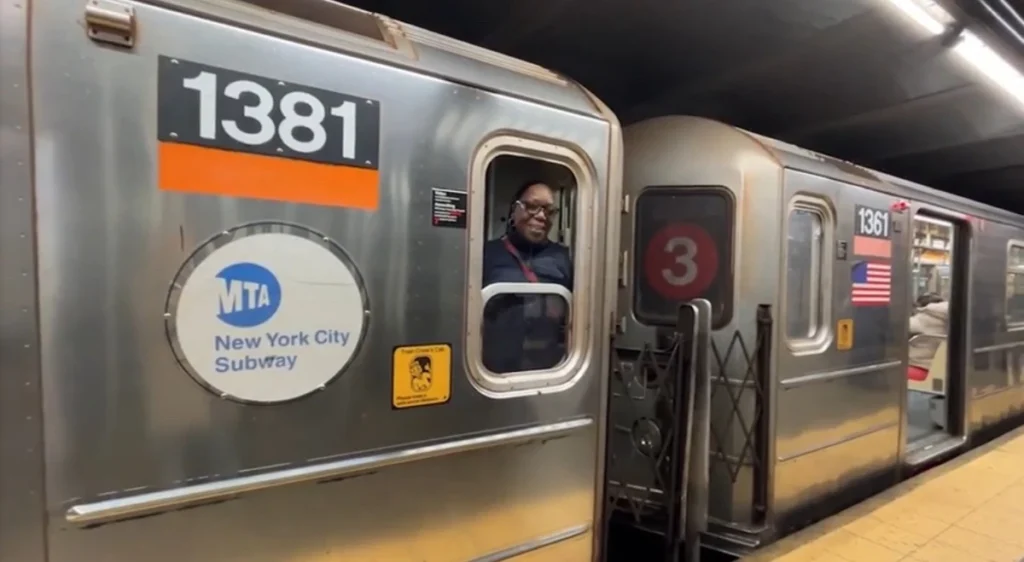
Governor Kathy Hochul hears sharply different stories from people who ride and run the trains every day. Supporters say the second crew member watches the doors, calms tense situations, and steps in when a routine trip suddenly goes sideways.
Don’t miss…Mumbai’s Tunnel Road Network and Its New Mobility Vision
For many commuters, that presence matters more late at night or on quieter platforms, when the idea of pressing an intercom does not feel enough. Their experiences turn a technical staffing question into something much closer to a personal safety issue.
Researchers, meanwhile, frame the picture in broader terms and compare New York with metro systems across the world; a recent analysis summarized by Reinvent Albany points out that only a small share of major transit lines still rely on two-person crews. Because of that, analysts quietly ask lawmakers how long the city can hold that line.
How the subway conductors debate shapes policy choices?
State legislators already pushed through a measure that keeps the two-person setup in place, at least for now, as reflected in New York State Senate records. They argue that the arrangement protects riders and keeps a familiar operating rhythm that both crews and passengers understand without thinking about it.
Union leaders back that stance because they view the current model as a practical way to support riders and to avoid thinning out staff on trains that still carry millions of people every week. As one planner put it, “we can see the cliff coming” if policy drifts too far ahead of what crews can realistically handle.
Conductors draw on their own shifts underground and describe how they guide boarding, watch the platforms, and talk to people who feel uneasy or confused. They insist that train operators cannot juggle those conversations because operators need to keep their eyes on the track and their hands on the controls.
Hochul continues to weigh these arguments and, frankly, knows that any decision will echo beyond a single election cycle. Her choice will signal how New York balances habit and safety expectations with changing views on how many people it really needs in each cab.
News on railway transport, industry, and railway technologies from Railway Supply that you might have missed:
Find the latest news of the railway industry in Eastern Europe, the former Soviet Union and the rest of the world on our page on Facebook, Twitter, LinkedIn, read Railway Supply magazine online.Place your ads on webportal and in Railway Supply magazine. Detailed information is in Railway Supply media kit