New Contract Open for Rail Operations at LA and Long Beach Ports
22.05.2025
The Ports of Los Angeles and Long Beach have launched a new bidding process for operating the short line railroad that connects their freight terminals. This is reported by the railway transport news portal Railway Supply.

Since 1998, Pacific Harbor Line has managed the route under a long-standing agreement. That contract now ends, creating a fresh opportunity for rail providers to enter a critical West Coast market.
Don’t miss…Locomotive Crashes Into Excavator During Work in Switzerland
Currently, the railroad spans 19 route miles and 96 track miles, providing switching services to Class I carriers BNSF and Union Pacific. It also supports nine intermodal terminals and dozens of carload customers.
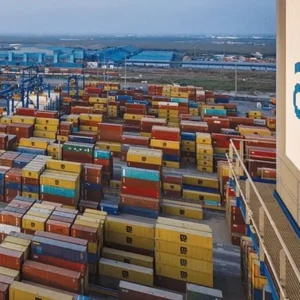
The Ports handled nearly 20 million containers in 2024 and aim to move 35% of that volume by train under their Clean Air Action Plan. The selected operator must align with this sustainability vision.
Bids must be submitted by 5 p.m. on July 28. Each port requires a separate operating agreement, and each contract has distinct operational requirements.
New Operator to Support Ports’ Green Freight Goals
The winning bidder will help the ports achieve cleaner, more efficient cargo movement. Reducing truck traffic and boosting rail use are central to port strategies in Southern California.
The current operator moves around 40,000 carloads per year, with a workforce of 190 employees and 25 locomotives. The next contractor will need to meet or exceed these service levels.
Rail Bidding Process Highlights Growth Potential at Ports
By opening this bid, both ports signal their readiness to adopt innovation and performance-focused logistics. The unified rail network offers a powerful link between shipyards and national railroads.
With rising global trade and increased pressure on supply chains, this contract presents a vital opportunity to improve reliability and environmental impact across both ports.
Source: www.trains.com
News on railway transport, industry, and railway technologies from Railway Supply that you might have missed:
Find the latest news of the railway industry in Eastern Europe, the former Soviet Union and the rest of the world on our page on Facebook, Twitter, LinkedIn, read Railway Supply magazine online.Place your ads on webportal and in Railway Supply magazine. Detailed information is in Railway Supply media kit