Mumbai-Ahmedabad Bullet Train to Transform India’s Travel Future
30.09.2025
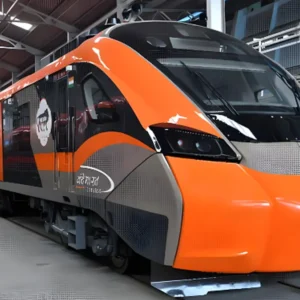
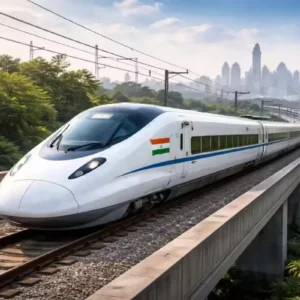
India’s Mumbai-Ahmedabad Bullet Train will redefined travel by cutting travel time to two hours, stoke development, and foster responsible travel between two of India’s busiest cities.
This is reported by the railway transport news portal Railway Supply.
Economic Impact of the Mumbai-Ahmedabad Bullet Train
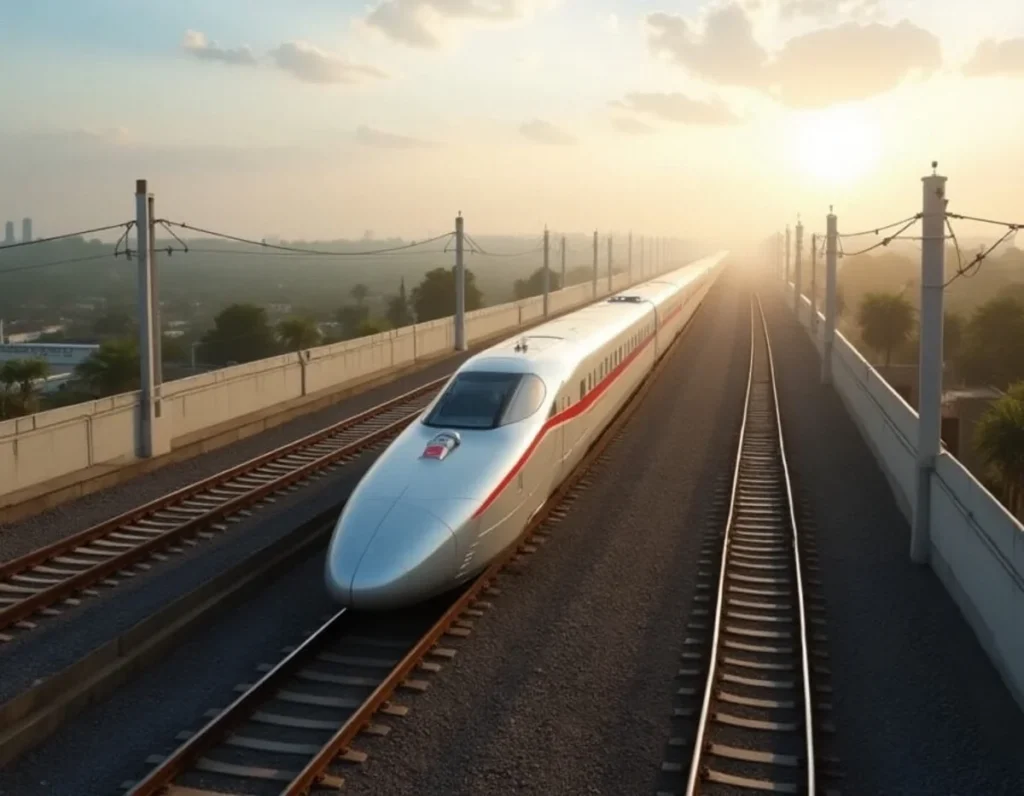
508-kilometer corridor will bring India its maiden high-speed rail network. Trains will have a top speed of 320 km/h, joining Mumbai and Ahmedabad significantly faster than current tejas rajdhani or vande bharat services.
Don’t miss…Parallel Systems launches second phase of trials in the USA
Twelve new stations: Vadodava, Sabarmati, and Surat will assist passengers through automated ticketing systems, new age waiting facilities, and shops. These terminals will generate high commercial connectivity, drive real estate development as well as attract investment from the region.
Economists make a case that the line will enhance commerce, travel, and logistics. Since the project lessens reliance on air travel and road travel, it will relieve traffic congestion, reduce airport delays, and develop new corridors of economic action. Industrial clusters in Gujarat and financial services in Mumbai will be better connected faster, enhancing India’s competitiveness in Asia.
The project will also create tens of thousands of construction jobs in operation and maintenance. Providers of steel suppliers as well as of electrical systems and signalling technology spot new business potential. And as Indian contractors will co-operate with Japanese specialists, India is acquiring precious know-how for prospective railway business.
Technology and Sustainability in the Mumbai-Ahmedabad Bullet Train
Bullet train will be powered by electric traction with less emissions than cars and airplanes. Japanese technology of Shinkansen will beIndianized to make it safe and reliable. Integrated automation of automated braking, vibration detectors, and remote monitoring will make it errorproof.
Sustainability is still core. Energy-efficient trainsets and proposals for renewable power application will assist in decreasing the corridor’s carbon impact. So the line becomes a dual role of an infrastructure improvement as well as an environmental breakthrough that lessens long-term dependence on fossil fuels.
Delay due to land acquistion hindered progress, yet staged operations follow. Phrases that may result in gaps in development have officials predicting some earlier sections to open earlier than complete build-out. Pundits predict that a success here will energize high-speed rail connections to Delhi, Chennai, and Hyderabad to make India a leader in transport upgrading.
Apart from transport, the Bullet Train beefs up India’s international reputation. By embracing latest technology and achieving a marquee infrastructure project, India sends a strong signal that it will achieve growth along with sustainability. Global investors and policymakers regard this project as a demonstration of India’s capability to implement mega-projects on a par with industrialized economies.
News on railway transport, industry, and railway technologies from Railway Supply that you might have missed:
Who is funding Mumbai-Ahmedabad Bullet Train project?
It is India’s first high-speed corridor, which is to jointly connect Mumbai and Ahmedabad in two hours through Japanese latest technology.
What will be the contribution of Mumbai-Ahmedabad Bullet Train to economy?
The Scheme will enhance commerce, tourism, and regional trade through connection of major industrial centers and relieving congestion from present transport networks.
Will achieving Mumbai-Ahmedabad Bullet Train bring less environment degradation?
Yes. Electrically powered traction, the train will have reduced emissions from those of road and air transport and will further India’s sustainability agenda.
Place your ads on webportal and in Railway Supply magazine. Detailed information is in Railway Supply media kit