MTA Adds More Subway Trips and Speeds Up Commutes
06.11.2025
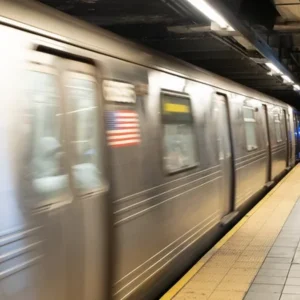
MTA increased subway services on the ‘A’ and ‘L’ lines during weekdays, reducing waiting times and improving travel efficiency for over 100,000 daily commuters. This is as a result of a huge reinvestment of congestion relief program funds into New York’s transit network.
This is reported by the railway transport news portal Railway Supply.
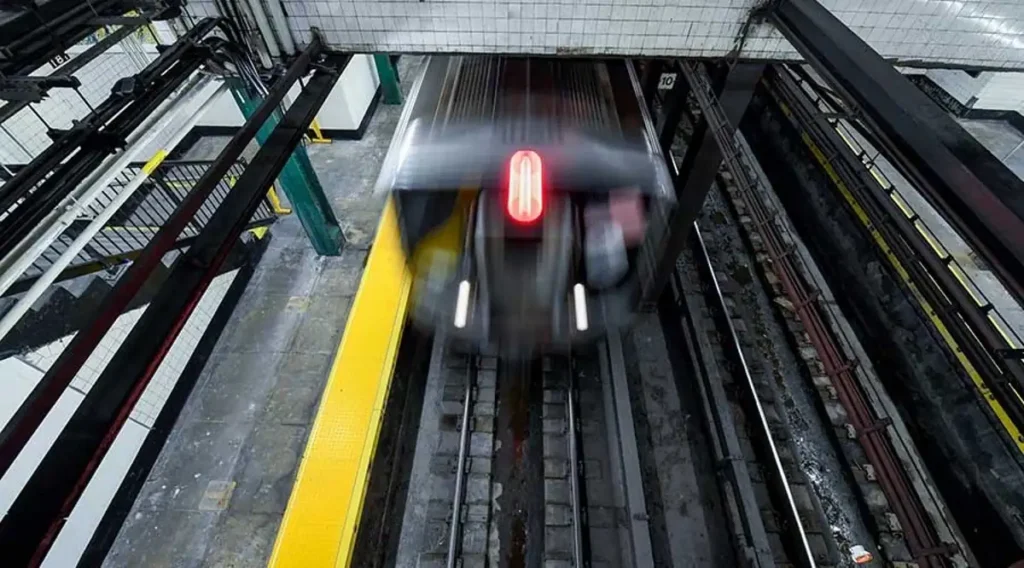
MTA Expands Service on A and L Lines
There is also increased service through additional round-trip trains on line A, running between Lefferts Boulevard and Far Rockaway, as well as four additional morning rush-hour trains on line L. Based on recent improvement work on traction power, more frequent trains can run on line L without excessively stressing its infrastructure.
Don’t miss…Avanti West Coast Derailment: What Happened and How Services Recovered
Governor Kathy Hochul is quoted as saying that this proves congestion pricing has a direct effect on transit riders, as improved train service is a definite return on investment that has collectively improved mobility and air quality for the city as a whole.
MTA Links Upgrades to Congestion Relief Strategy
MTA Chair and Chief Executive Officer Janno Lieber added that
“the MTA is constantly modifying its schedules to better match travel demand,” and that changes are being made to weekday and weekend schedules “so that there are consistent headways and fewer people on platforms.”
The congestion relief program, administered by tolling cars that enter Manhattan’s Central Business District, is still instrumental in these efforts of improved services. Trickle-down proponents of this program argue that this is aimed at easing congestion and providing additional funds for development through the MTA.
In addition, through its promotion of train travel as a means of traveling from one place to another, as opposed to traveling through cars, the MTA is reducing emissions, which is helpful because New York is trying to be more sustainable. Unfortunately, this project still encounters some political opposition, such as that from the U.S. Department of Transportation during Donald Trump’s leadership.
Despite these obstacles, it is reported that congestion pricing is essential for securing everlasting investment in subway upgrading. Consequently, commuters have benefited through increased frequency of trains, as well as a cleaner and improved journey.
Source: www.progressiverailroading.com
News on railway transport, industry, and railway technologies from Railway Supply that you might have missed:
How does the MTA fund subway service improvements?
The MTA reinvests revenue from its congestion relief program, which tolls vehicles entering central Manhattan, to enhance subway operations and expand service.
What subway lines gained additional MTA service?
The A and L lines received new weekday round trips to better match rider demand and reduce congestion during peak travel times.
Why is the MTA’s congestion relief program important?
It reduces Manhattan traffic, lowers emissions, and provides reliable funding for transit modernization, helping create a more efficient, sustainable transportation network.
Place your ads on webportal and in Railway Supply magazine. Detailed information is in Railway Supply media kit