Lima-Chosica Railway Project: Transforming Transportation in Peru
10.02.2025
The Lima-Chosica Railway project is set to revolutionize urban mobility, connecting Lima with Huarochirí. This initiative improves transportation, reduces congestion, and enhances the city’s infrastructure. This was reported by the railway transport news portal Railway Supply.

US-Peru Collaboration on the Lima-Chosica Railway Project
On November 16, 2024, Lima Mayor Rafael López Aliaga and U.S. Secretary of State Antony Blinken finalized a significant railway donation. This agreement secured 20 locomotives and 93 railcars from California’s Caltrain system.
Don’t miss…South Coast Rail Set to Launch, Reconnecting Communities with Boston
Blinken emphasized that U.S. companies will provide over 50% of the project’s services and supplies. Investments include advanced railway signaling, new tracks, and modern engineering solutions, enhancing Lima’s transportation system.
This project will benefit over 200,000 daily passengers, improving tourism, reducing traffic, and increasing efficiency. The Lima-Chosica Railway projectwill also cut emissions by 20,000 metric tons annually.
By removing 4,000 gasoline-powered vehicles, this initiative significantly improves air quality and traffic congestion. Commuters will experience shorter travel times, reducing hours-long commutes to minutes.
Lima officials highlighted the project’s long-term benefits during the donation ceremony. Mayor López Aliaga noted that Peru’s Ministry of Transport could replicate this model in other regions.
According to reports, the total estimated value of this donation is approximately $1 billion. The newly acquired trains and locomotives are scheduled to arrive in Peru by March 2025.
How the Lima-Chosica Railway Project Became a Reality?
Caltrain initiated a bidding process to allocate its surplus train stock. Lima’s Metropolitan Municipality expressed interest and secured a deal to acquire the equipment.
Following negotiations, Peru obtained locomotives and railcars originally built between 1985 and 1987. Despite their age, these vehicles remain fully functional and ready for urban use.
Jorge Serrano, an advisor to Peru’s Congressional Intelligence Commission, praised the agreement as well-planned. He emphasized that the United States would never approve a donation if the equipment were unserviceable.
Serrano assured the public that this project was carefully structured and not an impulsive decision. The donated trains have been maintained rigorously and will provide long-term service.
Modernization and Geopolitical Cooperation
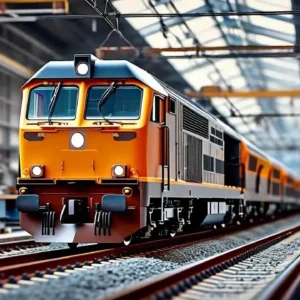
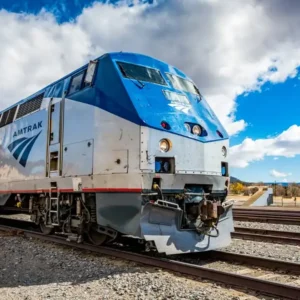
The F40PH locomotives involved in this project are known for durability and efficiency. With 3,200 horsepower, these trains can reach speeds of 177 km/h.
Mayor López Aliaga highlighted their features, including stainless steel construction, dual levels, and onboard air conditioning. He described this partnership as an example of international collaboration.
Juan de Dios Olaechea, president of Ferrocarril Central Andino, described the trains as having an 80–100-year lifespan. He emphasized that these locomotives remain in their prime operational cycle.
Olaechea also pointed out that Lima’s current traffic speeds average only 4 km/h during peak hours. He stressed that an efficient railway system is essential to improving the city’s mobility crisis.
Unlike previous projects, this railway requires minimal infrastructure changes. Only station upgrades are needed before trains begin operation across metropolitan Lima.
Serrano believes the project will primarily benefit Lima’s most vulnerable residents. He described it as a vital social initiative connecting the city’s eastern and western districts.
He also predicted that U.S. support for Peru’s railway system would extend beyond this donation. He noted that such partnerships demonstrate the advantages of collaborating with reliable international allies.
Future Developments in Lima’s Railway System
According to Olaechea, the Lima-Chosica railway will be implemented in three phases. The first stage involves test runs and utilizing existing tracks to initiate operations.
Subsequent phases will introduce modernized control systems and construct an additional railway with trellis supports. This second railway is projected to be fully operational by 2026.
Experts believe that integrating these trains will significantly reduce public transportation bottlenecks in Lima. The streamlined transit system will provide faster, safer, and more reliable commuting options.
With these improvements, Lima’s public transport will transition towards a more efficient and sustainable future. Commuters will experience faster travel times and improved overall accessibility.
A Broader U.S.-Peru Partnership: Security, Economy, and Connectivity
Beyond railway collaboration, Peru and the United States maintain a multifaceted strategic relationship. This cooperation spans economic development, security initiatives, and counter-narcotics efforts.
During the 2024 Asia-Pacific Economic Cooperation (APEC) Forum, the U.S. pledged $65 million in counter-narcotics assistance. This package includes advanced law enforcement resources for Peru.
The aid will provide nine Black Hawk helicopters and enhance aerial interception programs. These efforts aim to combat organized crime and narcotrafficking networks across Peru.
Security reinforcements at the Port of Chancay are also part of this cooperation. The U.S. is supplying high-tech cargo scanners to strengthen inspections and prevent illegal trade.
Additionally, NASA and Peru’s Space Agency signed a memorandum to advance space research collaboration. This agreement will enhance Peru’s capabilities in satellite monitoring and atmospheric studies.
Serrano stressed that the railway donation aligns with Peru’s broader connectivity strategy. He stated that an efficient train network would boost economic growth and regional integration.
By modernizing infrastructure and expanding mobility options, this initiative positions Lima as a global transportation hub. The U.S.-Peru partnership continues to strengthen economic and technological progress.
Source: dialogo-americas.com
News on railway transport, industry, and railway technologies from Railway Supply that you might have missed:
Don’t miss…Major Train Line Reopens After Crash Causes Severe Travel Disruptions
Find the latest news of the railway industry in Eastern Europe, the former Soviet Union and the rest of the world on our page on Facebook, Twitter, LinkedIn, read Railway Supply magazine online.Place your ads on webportal and in Railway Supply magazine. Detailed information is in Railway Supply media kit