Kanpur Metro Progress and Insights Across Uttar Pradesh
16.11.2025
Kanpur Metro keeps moving through new testing milestones in Uttar Pradesh, and this steady progress shows how seriously the state treats cleaner, more reliable urban transport as essential infrastructure.
This is reported by the railway transport news portal Railway Supply.
Kanpur Metro testing gains and project context
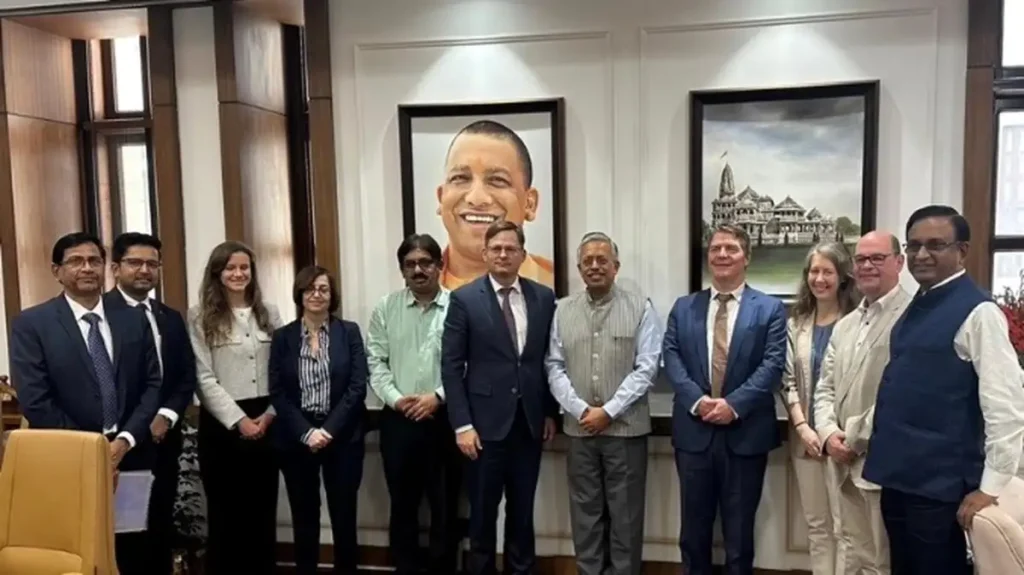
Kanpur Metro sits at the center of UPMRC’s work, and recent signalling on the Baradevi–Naubasta stretch shows how tightly the team manages construction and commissioning. In real terms, each clean test cuts the wait for service.
Don’t miss…Norfolk Southern Grant Supports Rail Education Growth
PAT on the 5-km elevated stretch now checks how the signalling behaves because the team needs evidence before opening the section. Once that work ends, SAT uses trains on the same 24-signal section for live trials.
In practice, the corridor knits together residential neighbourhoods, commercial strips, hospitals, and teaching campuses along one line. For many commuters, that means fewer fragmented trips and a clearer choice when they weigh metro against road traffic.
UPMRC also launched Uttar Pradesh’s first interoperable NCMC card, as Uttar Pradesh Metro Rail Corporation notes, so one card now links metro trips with buses, parking, and retail counters. Smart cards are not new, but this one gives riders a single tool.
The priority corridor from IIT Kanpur to Motijheel opened in just two years and one-and-a-half months. Inside UPMRC, staff still cite that pace as proof of what the project team can deliver when decisions stay aligned.
Kanpur Metro in the wider Uttar Pradesh network
Kanpur Metro now sits alongside the systems in Lucknow and Agra, and together these three networks define how Uttar Pradesh handles high-capacity urban travel. Frankly, that shift has happened faster than many planners expected.
Lucknow Metro remains a reference, with a 22.878-kilometre corridor from CCS Airport to Munshipulia including 17 elevated and four underground stations. Its Chaudhary Charan Singh Airport station entered the Limca Book of Records for construction speed, a milestone UPMRC highlights in its profile.
Agra Metro plans cover 29.4 kilometres over two corridors. In March 2024, the Prime Minister opened the priority stretch between Taj East Gate and Mankameshwar. The line now offers residents and tourists a cleaner cross-town option.
Tourism demand keeps climbing, and local trips do not slow, so planners watch ridership closely. Or, as one planner put it, “we can see the cliff coming” if new capacity falls too far behind everyday demand.
Across the three metro cities, UPMRC follows a disciplined pattern: modern signalling, updated rolling stock, sustainability-minded planning, and focus on passenger comfort. Those choices sound technical, but they shape how services feel to riders each morning.
European Investment Bank (EIB) backing after its recent review, combined with steady progress in Kanpur Metro, Lucknow, and Agra, nudges Uttar Pradesh toward a cleaner, accessible transport system. For now, the state is determined to keep that momentum going.
News on railway transport, industry, and railway technologies from Railway Supply that you might have missed:
Find the latest news of the railway industry in Eastern Europe, the former Soviet Union and the rest of the world on our page on Facebook, Twitter, LinkedIn, read Railway Supply magazine online.Place your ads on webportal and in Railway Supply magazine. Detailed information is in Railway Supply media kit