Testing of trains with traction batteries proves effective for fuel savings and emissions
11.11.2024
Testing of trains with traction batteries on northern routes in England has been successful. This was reported by the railway transport news portal Railway Supply.

Hitachi Rail, Angel Trains, and TransPennine Express (TPE) conducted testing of trains with traction batteries, replacing one of four diesel engines with a 700 kW battery unit. They initially aimed to cut diesel fuel consumption by 30%, but fuel savings exceeded expectations, reaching 35-50%.
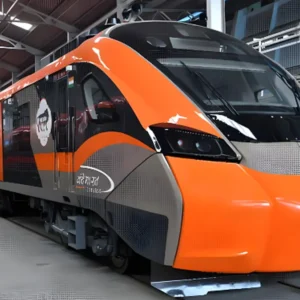
India’s New High-Speed Railway Test Track to Begin Operations by December 2025
Trains with traction batteries reach speeds of up to 120 km/h, with a range of up to 70 km without diesel engines. On non-electrified sections, diesel engines shut down near stations, reducing both noise and emissions significantly. The Nova 1 train demonstrated reliable schedule adherence, even on complex routes with varying demands.
The battery units match diesel generators in weight and size, minimizing excessive track load. Successful testing confirmed the feasibility of the next stage, which is the complete replacement of diesel engines with traction batteries. This change will support a contact-battery operation mode with a range of 100-150 km, ideal for partially electrified routes, thereby lowering infrastructure costs.
Hitachi Rail invested £17 million in this project and actively collaborates with British partners to develop next-generation battery technology.
News on railway transport, industry, and railway technologies from Railway Supply that you might have missed:
Suburban Rail Loop Contract Awarded: Connecting Glen Waverley and Box Hill
Find the latest news of the railway industry in Eastern Europe, the former Soviet Union and the rest of the world on our page on Facebook, Twitter, LinkedIn, read Railway Supply magazine online.Place your ads on webportal and in Railway Supply magazine. Detailed information is in Railway Supply media kit