Indian Railways expands premium catering options at stations
18.11.2025
Indian Railways now introduces a new policy category for premium catering so stations can host single-brand food outlets while still meeting all requirements of the 2017 Catering Policy.
This is reported by the railway transport news portal Railway Supply.
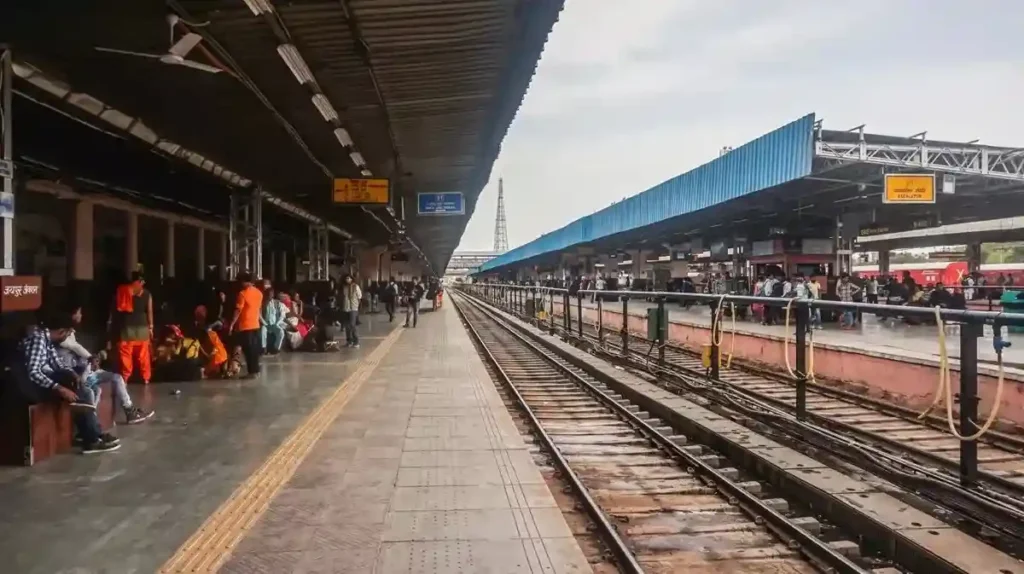
Premium catering and the expansion of station food services
Indian Railways is quietly widening its food service framework as the Railway Board signs off on a new “Premium Brand Catering Outlets” category tied to the Catering Policy 2017, a shift also detailed by Economic Times Infra. The move responds to a request from South Central Railway, which wanted clear rules for hosting branded quick-service restaurants under a predictable, premium catering framework. Zonal railways may introduce these outlets when real demand exists and when station plans can absorb them without disturbing reservation obligations under Para 10.
Don’t miss…Mumbai–Ahmedabad High-Speed Rail Corridor Progress Report
South Central Railway’s request explicitly cited chains such as McDonald’s, KFC, Pizza Hut, Baskin-Robbins, Haldirams and Bikanerwala, and similar brand lists appear in coverage from NDTV Food, so the Board had to spell out how stations should handle such proposals. The rules allow only company-owned, company-operated or franchised single-brand outlets, and each site still has to fit within approved layouts for tea stalls, milk bars and juice bars. In practice, that means stations can layer new branded counters on top of the existing mix without rewriting the four recognised refreshment categories in the updated policy.
The Board also drew a clear line on how to award these premium catering stalls: zone authorities cannot hand them out on a nomination basis. Instead, zones must run allocations through the existing e-auction platform, where a dedicated segment will handle the new outlet type. This approach keeps contract awards visible and comparable, and railways can keep using familiar commercial tools when they assess who qualifies to run each site.
Premium catering and new rules for railway zones
Under the revised framework, each new outlet carries a five-year licence term, matching the tenure already used for other catering stalls outlined in the official Catering Policy 2017. Railways will calculate minimum licence fees under the existing commercial policy, and zonal teams will draft special contract conditions to reflect local station realities. To be fair, this gives zones some room to manoeuvre while they still operate inside a single national rulebook.
The Board also reminded station managers that new outlets must not dilute reserved stall percentages set out in Para 10 of the Catering Policy 2017. Administrators have to review layout plans carefully so every stall category stays proportionate and mandated allocations remain untouched. As one planner might put it, “we can see the cliff coming” if premium brands crowd out the spaces that the policy sets aside for other operators.
The Finance Commercial Directorate examined the proposal and agreed with the Railway Board’s approach, so the final order carries both concurrence and formal approval. The Board then instructed zonal railways to implement the new category through established procedures, and that keeps day-to-day decisions anchored in familiar routines. In real terms, the order widens the range of refreshments available at stations but leaves the core structure of the 2017 catering policy untouched.
With the directive now active, zone administrators can start mapping where premium single-brand stalls fit into their station designs, nearly always juggling spatial, operational and commercial constraints at the same time. These assessments should help railways decide how to integrate premium catering outlets without upsetting existing flows, and stations will still lean on current rules to keep the network consistent. Frankly, the framework is cautious rather than radical, but it gives managers a clearer path when branded food operators knock on the door.
News on railway transport, industry, and railway technologies from Railway Supply that you might have missed:
Find the latest news of the railway industry in Eastern Europe, the former Soviet Union and the rest of the world on our page on Facebook, Twitter, LinkedIn, read Railway Supply magazine online.Place your ads on webportal and in Railway Supply magazine. Detailed information is in Railway Supply media kit