High-speed rail link between Britain and Germany: plans by Eurostar and DB
08.12.2025
A high-speed rail link between Britain and Germany is planned for launch in the early 2030s: Eurostar and German operator Deutsche Bahn (DB) have already signed a memorandum of understanding that provides for high-speed services between London and major German cities. The project, as highlighted in a press release from the UK Department for Transport, was officially announced by the Department for Transport.
This is reported by the railway transport news portal Railway Supply.
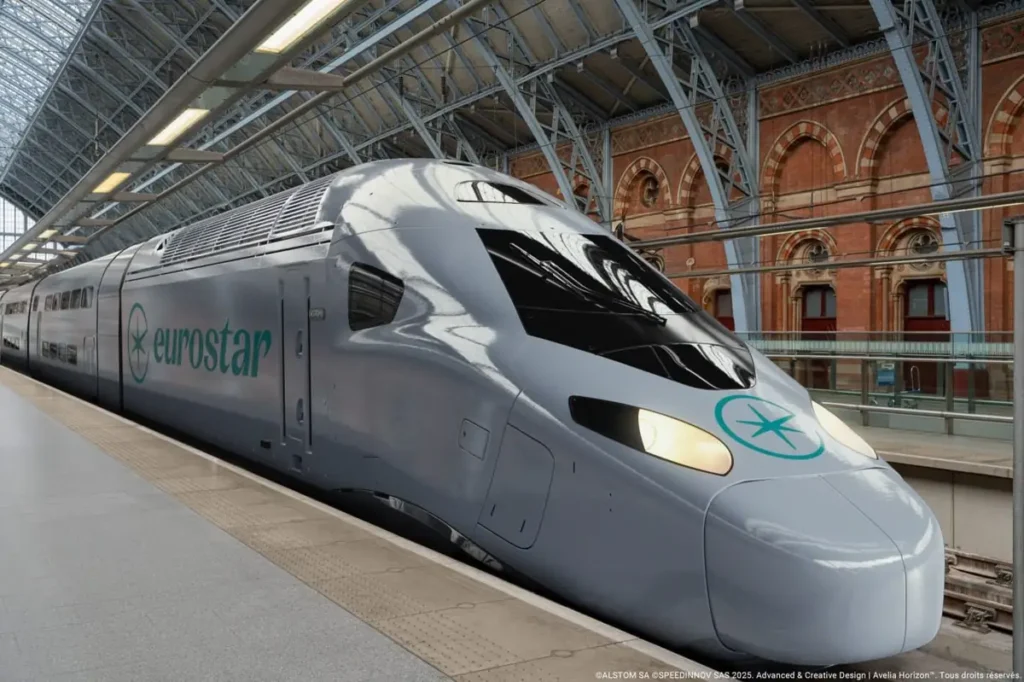
Plans for launching the high-speed rail link between Britain and Germany
Under the agreement, Eurostar and Deutsche Bahn intend to develop high-speed services between London and such destinations as Cologne and Frankfurt am Main, creating a new “high-speed train London–Germany” option for passengers. DB’s press office notes that the partners now have to work through the technical, legal and operational parameters of the future service so that high-speed links London–Cologne and London–Frankfurt can start operating within the announced timeframe.
Eurostar Celestia and journey times between London and Germany
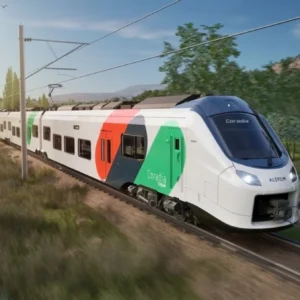
To operate the new services, SNCF Voyageurs Avelia Horizon trains under the Eurostar Celestia brand are to be deployed; they were ordered in October this year, as previously reported by Railway Supply. Once they enter service, the journey between London and Cologne is expected to take about four hours, while the trip between the UK capital and Frankfurt am Main will take just over five hours. This “high-speed train London–Germany” format makes the rail option on these routes competitive with air travel.
Don’t miss…The Greatest Gathering rail awards highlight Alstom team
Expanding capacity at St Pancras station
The development of routes through the Channel Tunnel builds on an agreement signed back in February this year by UK operator London St. Pancras Highspeed and Eurotunnel. Their joint press release stresses that the document is aimed at expanding high-speed rail services between London and continental Europe.
A key element of these plans is an almost threefold increase in the capacity of St Pancras station, which handles high-speed trains: from 1,800 to 5,000 passengers per hour. This additional capacity is intended to support the launch of new international services and strengthen the role of the “St Pancras station–high-speed trains” link in connecting London with Germany and other European destinations.
News on railway transport, industry, and railway technologies from Railway Supply that you might have missed:
Find the latest news of the railway industry in Eastern Europe, the former Soviet Union and the rest of the world on our page on Facebook, Twitter, LinkedIn, read Railway Supply magazine online.Place your ads on webportal and in Railway Supply magazine. Detailed information is in Railway Supply media kit